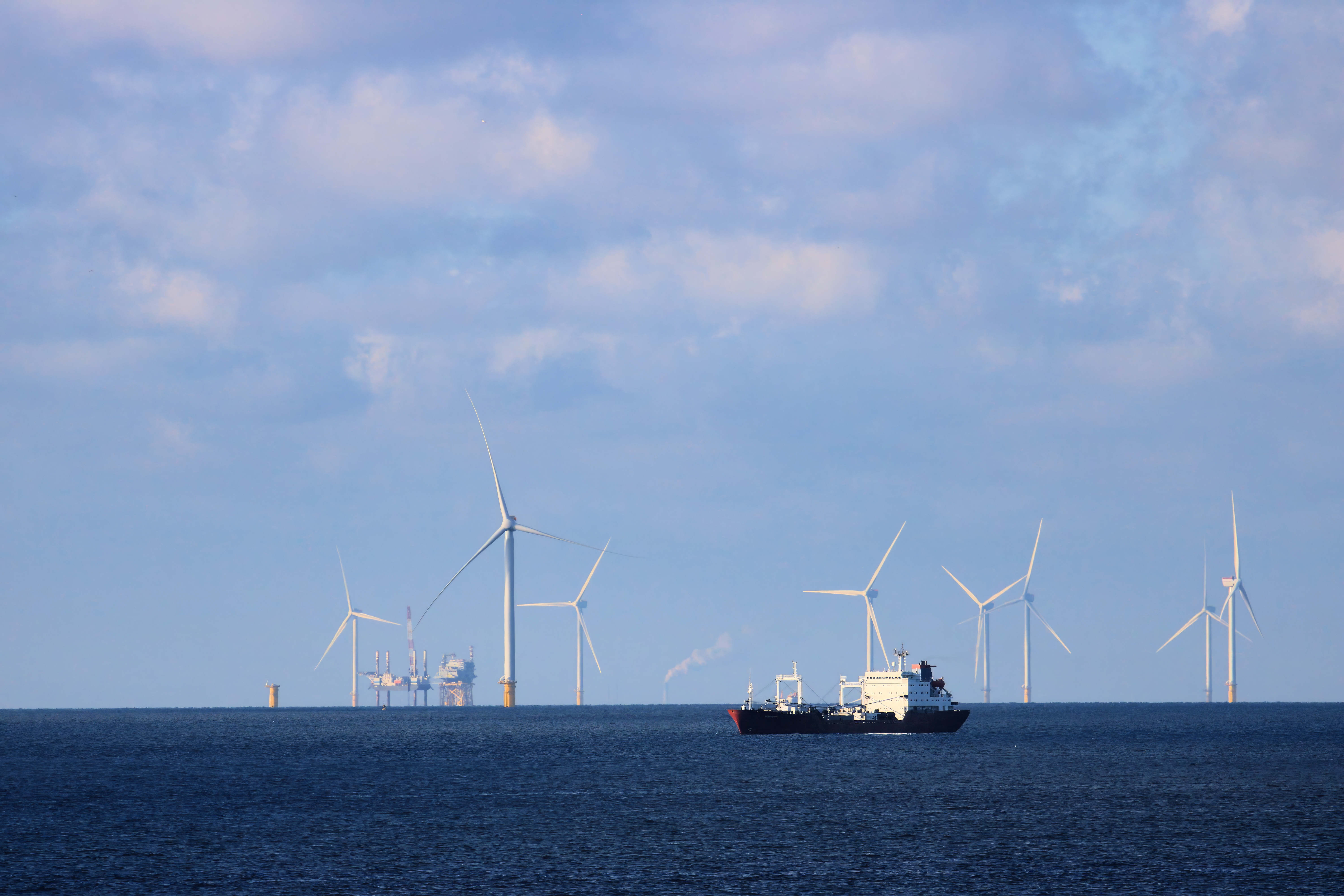
Two commercial tankers came under attack in and around the Strait of Hormuz on Sunday, October 11, in a sharp escalation of the months-long shadow war over the world’s most important oil chokepoint. Two Indian seafarers are missing, India has condemned the attacks, and Tehran has laid down conditions for reopening the strait.
Drone strike off Oman leaves two missing
The Nicaragua-flagged tanker MT Petro Dolphin was struck by a drone at Sohar Anchorage in Oman on Sunday, according to India’s Ministry of External Affairs. Two of the 11 Indian crew members aboard are missing; the other nine were rescued and are safe. Oman’s coast guard is conducting search-and-rescue operations.
The United Kingdom Maritime Trade Operations (UKMTO) confirmed the drone attack off Oman, saying local authorities were assisting with evacuating the crew. Damage and environmental consequences were still undetermined.
Second tanker hit inside the strait
On the same day, the Marshall Islands-flagged tanker MT Valthera was hit by an unidentified projectile in the Strait of Hormuz, triggering a fire on board. All 11 Indian seafarers aboard were reported safe, India’s foreign ministry said.
UKMTO also reported a tanker struck on its port side while leaving the strait on October 11, with no reported casualties or pollution.
Iran’s Islamic Revolutionary Guard Corps, meanwhile, claimed a supertanker struck a naval mine while trying to exit the strait through what it called an unauthorized route, suffering an engine-room explosion and fire. The vessel was not independently identified, and the mine claim could not be verified. The U.S. government maintains that mines in the waterway were previously cleared.
India condemns, demands de-escalation
India’s Ministry of External Affairs issued a statement Sunday condemning the attacks and calling for “an immediate end to hostilities targeting merchant shipping.”
“The safety and security of Indian seafarers remain a priority for the Government of India,” the ministry said, warning that recurring attacks on commercial shipping could further aggravate an already volatile situation. India’s embassy in Muscat is coordinating with Omani authorities and the ship management companies.
A tanker war in its eighth month
The weekend’s attacks cap a bloody stretch for commercial shipping. TradeWinds reports 20 vessels have been struck since September 29. The International Maritime Organization says at least 11 tankers were attacked in the week ending October 4 — the most since the conflict began in late February.
A day earlier, on Saturday, the U.S. military said a fighter jet struck the stern of the Panama-flagged M/V Ocean Molica in the Gulf of Oman with a precision munition, disabling its propulsion. U.S. Central Command said the vessel had departed an Iranian port and ignored repeated warnings; no crew were harmed. Since the U.S.-led blockade resumed in July, CENTCOM says four commercial vessels have been disabled, 135 turned away, and 10 Iran-linked tankers destroyed.
Tehran draws a red line
Iran is showing no sign of backing down. The head of the IRGC, Ahmed Vahidi, declared: “No extra-regional power has the right to threaten, maintain a domineering presence, or interfere in it. The Strait of Hormuz is Iran’s strategic red line.”
Iran’s army chief, Habibollah Sayyari, said on state television Sunday: “We have struck blows against enemy vessels. If anything else happens against Iran, we will strike them again.”
And Iran’s Supreme National Security Council secretary, Mohsen Rezaei, told state-owned Press TV that Tehran had submitted seven conditions for reopening the strait — communicated through Pakistan, Qatar and Iraq — and would not reopen it to the United States or enter negotiations until they are met.
What it means for oil — and your wallet
About one-fifth of the world’s oil and gas normally passes through the Strait of Hormuz in peacetime. Data firm Kpler estimates flows had already fallen to about 13.1 million barrels per day by the end of September, roughly 80 percent of pre-war levels, with just seven tankers transiting on a recent Tuesday — the lowest since July.
Brent crude topped $105 a barrel earlier in the week. Sustained disruption in the strait typically feeds through to gasoline and diesel prices within weeks, and shipping insurers have already repriced Gulf routes sharply upward — costs that eventually land on consumers.
President Trump said Thursday there would be no new U.S. strikes on Iran before the November midterm elections.
This is a developing story.
Sources: UK Maritime Trade Operations; India’s Ministry of External Affairs; U.S. Central Command; TradeWinds; International Maritime Organization; Kpler via CNN; Iranian state media.