TAMPA, Fla. The United States is widening its pressure campaign against Iran from the sea to the land. On Saturday, U.S. Central Command said it has created Task Force Iron Gate, a small team in Tampa that will work to block Iran from moving weapons and banned goods across its land borders and the Caspian Sea. The step came a day after President Donald Trump confirmed new limited U.S. strikes on Iran’s Qeshm Island, and two days after ships were reported burning near the Strait of Hormuz. Zark News reported the task force announcement on Saturday.
Why it matters
The Strait of Hormuz is the world’s most important oil route. When ships cannot move safely through it, fuel prices rise far beyond the Gulf. A naval blockade can stop tankers at sea, but it cannot stop trucks crossing Iran’s land borders or ships crossing the Caspian Sea. Iron Gate is Washington’s attempt to close that gap, while talks to end the war continue through mediators.
What we know
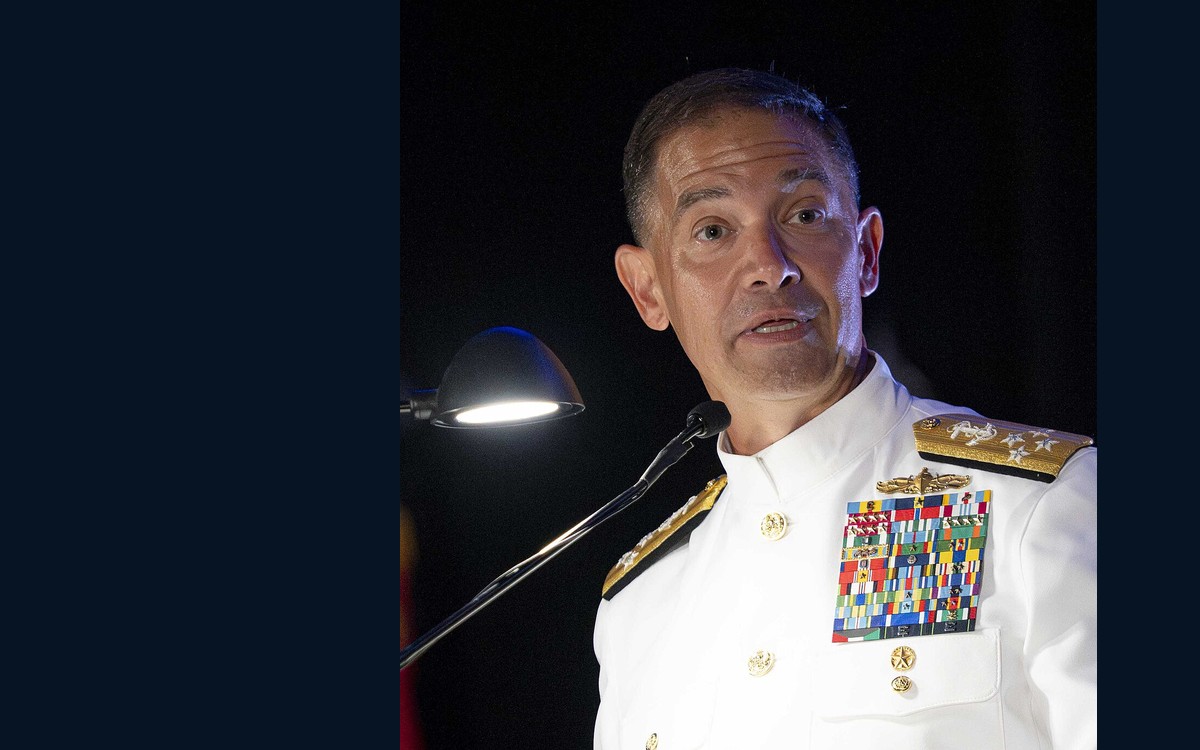
- Iron Gate is a small coordination team, not a deployed force. Adm. Brad Cooper ordered its creation on November 7. It has about 20 staff in Tampa and will work with other U.S. agencies, according to CENTCOM and Reuters. Its targets are advanced weapons, dual-use technology (equipment that can serve civilian or military purposes), sanctioned materials and illegal revenue.
- It adds a land arm to an existing sea blockade. The United States has blockaded Iranian ports at sea since the ceasefire collapsed in July. CENTCOM says that blockade has stopped more than $25 billion in Iranian crude exports in recent months. That is CENTCOM’s own estimate.
- Trump confirmed a new strike on Qeshm Island. On Friday, Trump said U.S. forces hit an air defence system on Qeshm, at the mouth of the strait, in minutes. Iranian state media reported two explosions in the Suza area. Zark News reported Trump’s confirmation. Earlier strikes on Qeshm were also reported on November 2 and 3.
- Ships were reported burning near Hormuz, and oil moved at once. Iran’s Revolutionary Guard navy said two tankers and a tug were burning inside the strait, and another tanker struck a mine east of it, according to CBS News. Britain’s agency UKMTO reported a tanker hit by two projectiles off Qatar. Brent crude rose 2.2 percent on Thursday to about $96.70, according to CBS News, after falling below $100 on hopes of a deal. Zark News reported the ship reports and Iran’s rejection of the U.S. reply.
- Iran rejected Washington’s latest reply, and mediation continues. Mohsen Rezaei, secretary of Iran’s Supreme National Security Council, called the American reply “not convincing,” according to CBS News and Reuters. Iran’s plan, put forward since September, calls for the blockade to be lifted, assets unfrozen and an Iranian-backed Hormuz route approved before the waterway reopens. Trump has rejected it. Qatar’s prime minister said on Saturday that mediation is continuing, according to Reuters.
What we still don’t know
- Whether the burning ships reports are accurate. The tanker and mine reports have not been independently confirmed. They came mainly from the Revolutionary Guard, which has itself attacked shipping, and no vessel names, owners or casualty details have been verified.
- What the Qeshm strike actually destroyed. Iran’s broadcaster IRIB carried an army statement saying Iranian air defences destroyed an American MQ-9 drone over Qeshm. CENTCOM said the situation was relatively calm and gave no further comment. Neither the damage nor the drone claim has been independently confirmed, and no casualties were reported.
- How Iron Gate will stop cargo outside U.S. control. CENTCOM has not said what new powers it will use or how it will act inside other countries. Iraq’s foreign minister, Fuad Hussein, told Al Jazeera on Saturday that Washington has asked Baghdad to close all but two crossings with Iran. No neighbour has publicly agreed to tighter checks.
- What Iran will do next. Iran has not commented directly on Iron Gate. A Revolutionary Guard spokesman said on Saturday that Iran now makes its weapons at home and is exporting defence equipment, according to regional reports.
What’s next
Watch whether Iran’s neighbours agree to tighter border checks, whether Tehran replies to the proposal Qatari mediators are carrying, and whether the strikes stay limited. In Washington, funding runs out on December 11, and the war is set to be an early fight for the incoming Democratic Congress when it takes office in January.
Timeline
- July 2026: The ceasefire collapses. The United States begins a naval blockade of Iranian ports, and Iran resumes blocking the Strait of Hormuz.
- September 2026: Iran puts forward its own plan, calling for the blockade to be lifted and assets unfrozen before the waterway reopens.
- November 2 to 3, 2026: Limited U.S. strikes on Qeshm Island are reported. Rezaei calls Washington’s latest reply “not convincing.”
- November 5, 2026: The Revolutionary Guard says tankers and a tug are burning near Hormuz. UKMTO reports a separate tanker hit off Qatar. Brent crude rebounds to about $96.70.
- November 6, 2026: Trump confirms new limited strikes on Qeshm and says talks with Tehran are making progress, without giving details.
- November 7, 2026: CENTCOM creates Task Force Iron Gate. Iraq says Washington has asked it to close most crossings with Iran. Qatar says mediation is continuing.