TAMPA, Fla. — The U.S. military is widening its pressure campaign against Iran from the sea to the land. U.S. Central Command announced on Saturday that it has set up a new task force to stop Iran from moving advanced weapons and other banned goods across its land borders and the Caspian Sea.
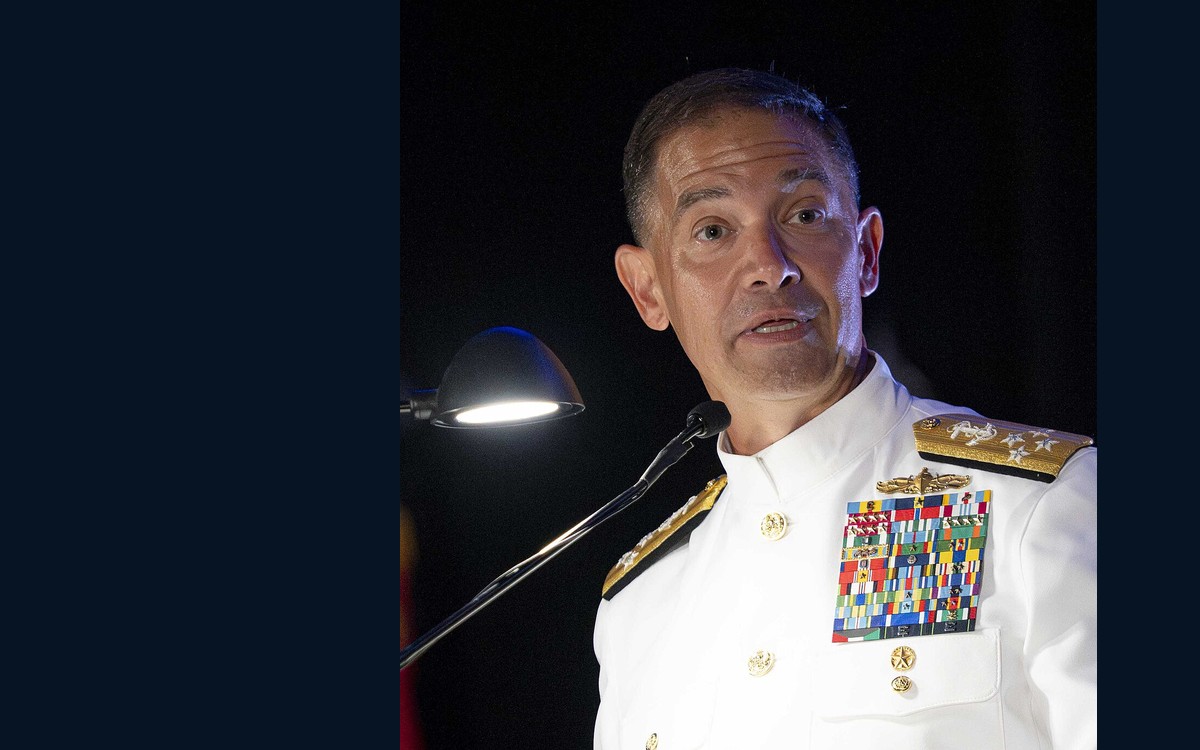
The unit is called Task Force Iron Gate. CENTCOM commander Adm. Brad Cooper ordered its creation on November 7. It is a small internal team of about 20 civilian and military staff based in Tampa, Florida, where CENTCOM has its headquarters. The team will work with other U.S. government agencies to track and disrupt the movement of advanced weapons systems, dual-use technology, meaning equipment that can serve civilian or military purposes, sanctioned materials and illegal revenue across Iran’s land borders and the Caspian Sea.
“The establishment of Task Force Iron Gate reinforces the success of our ironclad blockade against Iran at sea,” Cooper said. “Strengthening CENTCOM’s collaboration with U.S. interagency partners will further constrain Iran’s ability to finance terrorism, rebuild weapons factories, and replenish their military.”
The new unit adds a land arm to the naval blockade the United States has enforced against Iranian ports since the ceasefire collapsed in July. CENTCOM says the blockade has stopped Iran from exporting more than $25 billion worth of crude oil in recent months, and that strict checks continue on every ship entering or leaving an Iranian port.
The move quickly reached Iraq, one of the countries on Iran’s western border. Iraq’s foreign minister, Fuad Hussein, told Al Jazeera on Saturday that Washington has formally asked Baghdad to close all but two of its border crossings with Iran. Hussein said Iraq wants friendship with Tehran but rejects interference in its internal affairs.
Iran has not commented directly on the task force. A spokesman for the Islamic Revolutionary Guard Corps said on Saturday that Iran’s weapons are now produced with domestic knowledge and said Tehran is exporting defence equipment while meeting its own needs, according to regional reports.
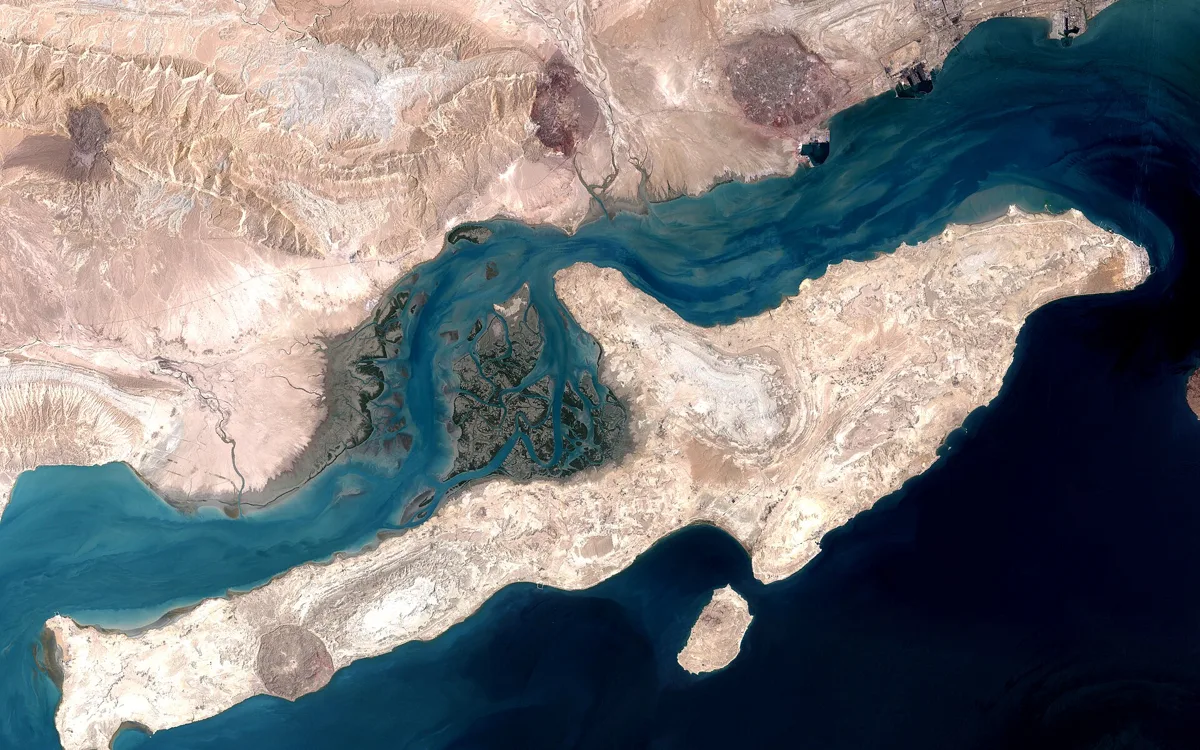
The announcement came on a day of diplomacy as well as pressure. Qatar’s prime minister said mediation between Washington and Tehran is continuing to keep the region from spiralling out of control, according to Reuters. Iran has been putting forward its own seven-day plan since September. It calls for Washington to lift the blockade of Iranian ports, unfreeze Iranian assets and approve an Iranian-backed route through the Strait of Hormuz, after which the waterway would reopen. President Donald Trump has so far rejected it.
What to watch is whether the countries that share a land border with Iran, including Iraq, Turkey, Pakistan, Afghanistan and Turkmenistan, agree to tighter checks on crossings, and whether the Caspian route draws the same pressure the sea routes already face.