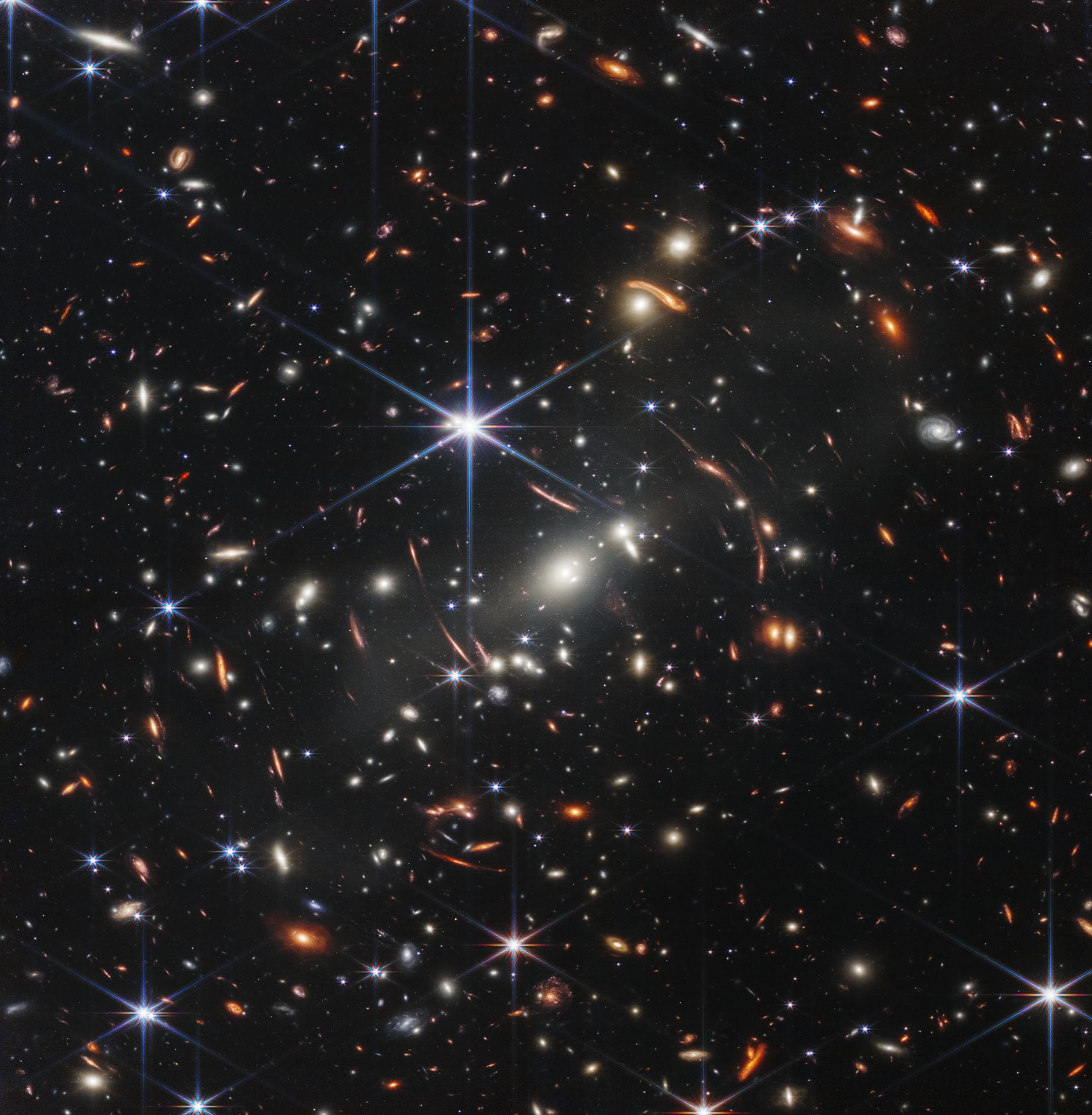
Astronomers have traced the most distant known fast radio burst to a surprisingly small, star-forming galaxy that existed when the universe was about 3 billion years old, using NASA’s James Webb Space Telescope to identify the source of a fleeting radio signal detected in 2024.
The burst, designated FRB 20240304B, was detected on March 4, 2024, by the MeerTRAP project using South Africa’s MeerKAT radio telescope array. Its extreme distance was confirmed when Webb observed its faint host galaxy and measured a redshift of 2.148. Researchers reported the findings in the journal Science on October 8, 2026.
Why the galaxy surprised researchers
Fast radio bursts are intense flashes of radio waves that last only milliseconds. Their precise origins remain unsettled. The host of this burst is an actively star-forming dwarf galaxy, far smaller than researchers expected from previously studied fast radio burst hosts.
The galaxy’s youth offers support for the possibility that some bursts come from magnetars—highly magnetized neutron stars—rather than collisions of older stellar remnants. But this observation does not establish a definitive cause for all fast radio bursts.
A signal that illuminates the cosmic web
The radio flash traveled for more than 10 billion years before reaching Earth. Along its path, the signal carried information about matter between galaxies. Researchers identified imprints from two cosmic structures, including the nearby Virgo Cluster, demonstrating how distant bursts can help probe otherwise difficult-to-observe material in space.
The event itself is not new: it was detected in 2024. The news is the newly published analysis identifying its distant host and what that environment may reveal about the source of these mysterious flashes.
Sources: NASA Webb science release, October 8, 2026; ESA/Webb release; University of California, Santa Cruz.