THE HAGUE, Netherlands — Myanmar committed genocide against its Rohingya minority, the International Court of Justice ruled on Thursday, the first time in its 80 year history that the United Nations’ top court has held a state responsible for genocide, according to CNN and the Wall Street Journal.
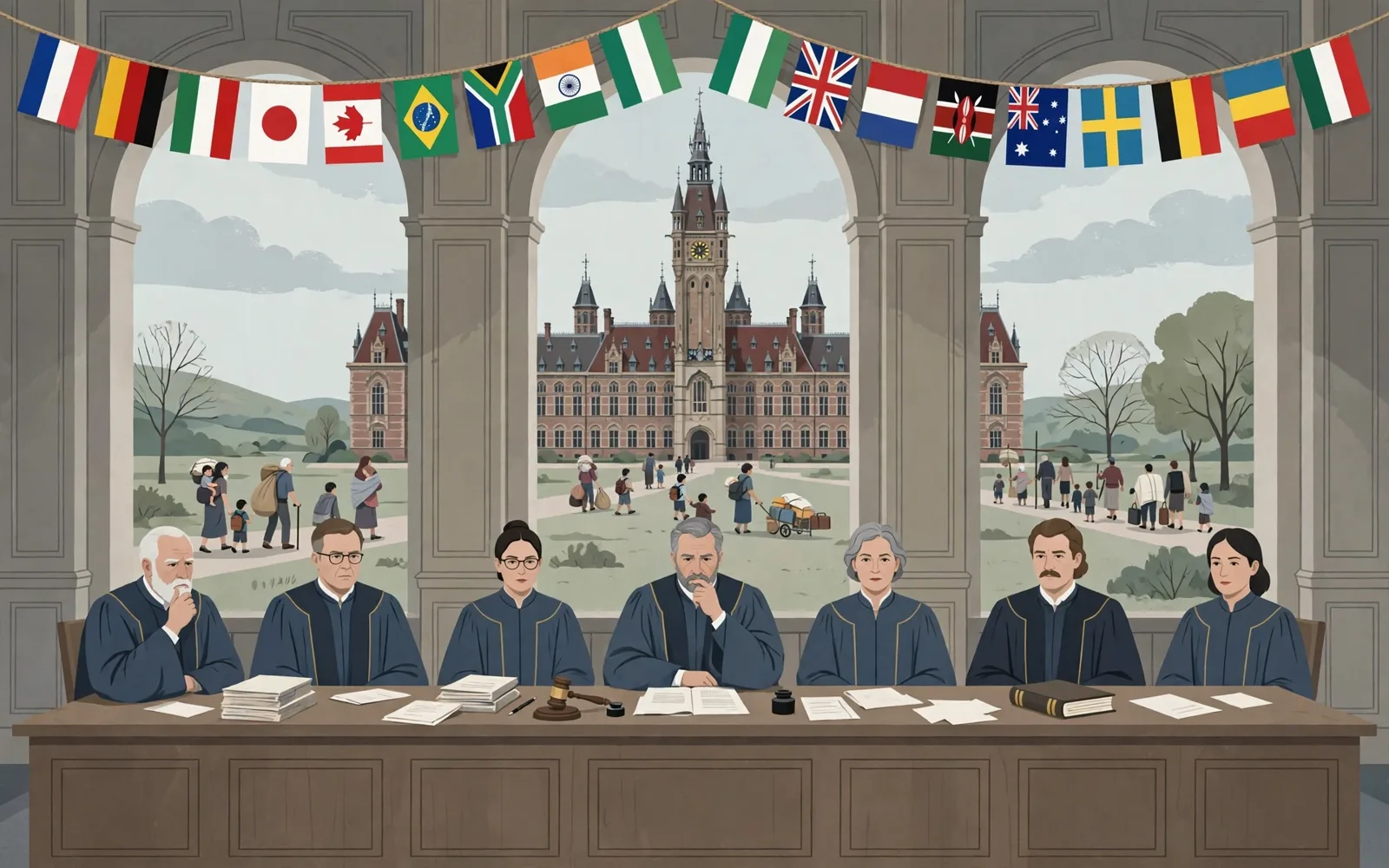
The court decided the case by nine votes to six. Presiding Judge Yuji Iwasawa said the scale and nature of Myanmar’s actions were characteristic of an intent to destroy a substantial part of the group, and that the only reasonable inference was an intention to destroy the Rohingya population in northern Rakhine State, according to CNN. The court gave particular weight to widespread sexual violence, extreme violence against children, and attacks on Rohingya as they fled toward Bangladesh.
The case was brought in 2019 by The Gambia, a country thousands of miles from where the killings took place. The court found that about 10,000 Rohingya civilians were killed in a months long campaign in 2017 involving mass shootings, arson attacks and widespread sexual violence, according to the Wall Street Journal. Myanmar’s military had described its operations as clearance operations against militants, a defence the court rejected, saying the military did not distinguish between militants and civilians.
The court also found that Myanmar failed to prevent genocide, failed to punish it, and failed to pass the domestic laws needed to meet its obligations under the Genocide Convention, according to the Global Centre for the Responsibility to Protect. It ordered Myanmar to make reparations, including allowing the safe, voluntary and dignified return of Rohingya to their homes, the reunification of families, and the return of lost or damaged property, according to CNN.
A spokesperson for Myanmar’s military backed government dismissed the ruling on Friday as unfair and noted it was not unanimous, according to CNN. The court’s rulings are final and binding, but the court has no power to enforce them, which means the judgment’s force will depend on pressure from other states and institutions.
United Nations human rights chief Volker Turk called the judgment historic, and survivors described it as a turning point after waiting almost a decade to hear it, according to CNN. Legal analysts noted the ruling could matter beyond Myanmar. The Wall Street Journal reported that the decision raises the stakes for Israel in the separate case brought by South Africa over Gaza, because the court showed it is willing to infer genocidal intent from the pattern of a campaign rather than requiring an explicit written plan.
What happens next will unfold slowly. Myanmar is expected to report on the steps it takes, other governments will decide whether to press for reparations and returns, and hundreds of thousands of Rohingya remain in refugee camps in Bangladesh, including the vast settlement at Cox’s Bazar. For them, the ruling settles the legal description of what happened in 2017. Whether it changes conditions on the ground is a separate question the court cannot answer on its own.
Read the court record at the International Court of Justice.