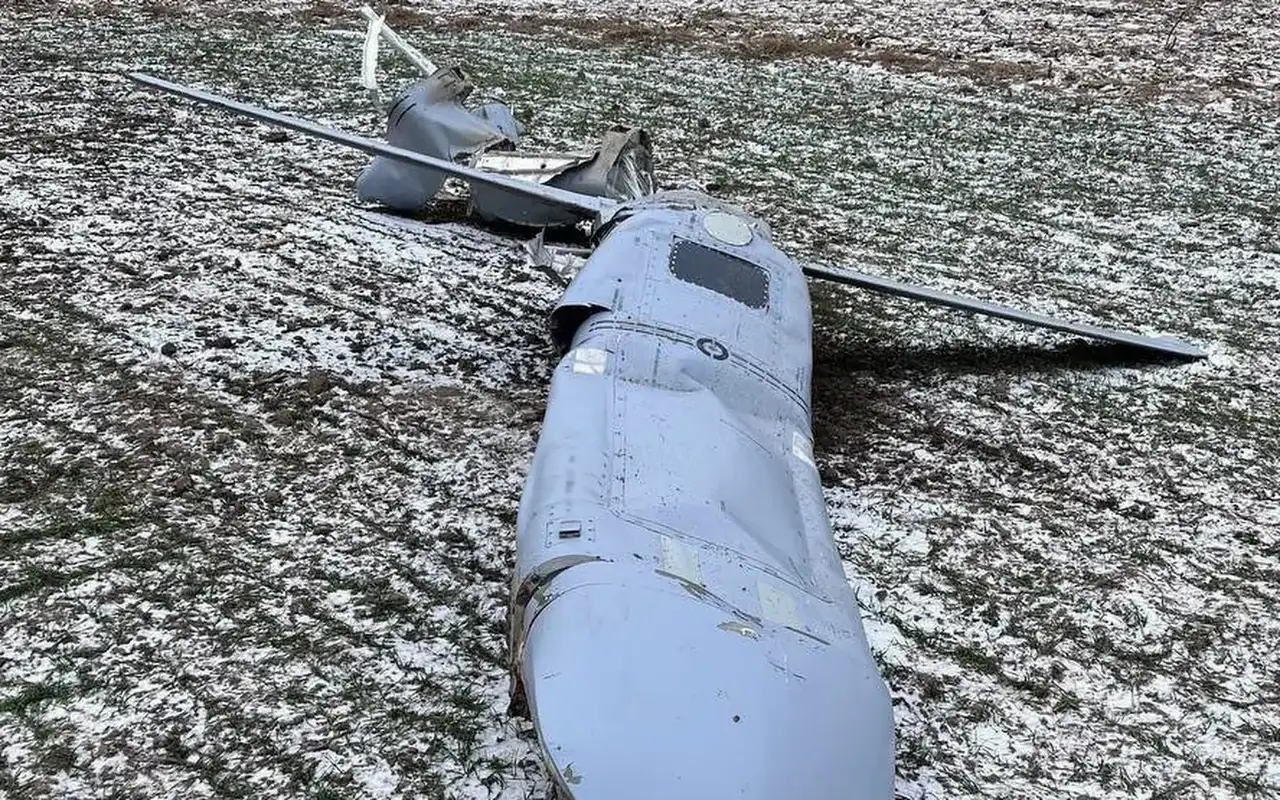
WARSAW. Two Russian missiles and a suspected jet-powered drone came down in southeastern Poland on Friday, November 20, during one of the largest Russian air attacks of the war on Ukraine. No one in Poland was injured. Prime Minister Donald Tusk called the incursions a likely deliberate provocation, and NATO Secretary-General Mark Rutte called them a grave violation of Polish airspace, according to Reuters and the Associated Press.
Read the original Zark News report: Russian Missiles Land in Poland During Huge Barrage on Ukraine, as Zelenskyy Calls Putin a ‘Killer’
Why it matters
Poland is a NATO member and a main route for military aid reaching Ukraine. Russian weapons landing on its territory, close to a European exercise preparing troops for a possible postwar mission in Ukraine, raise the risk of a wider confrontation even when no one is hurt. The key question is whether the weapons were sent there on purpose. That answer, not yet established, will shape NATO’s response.
What we know
- Three objects, three sites. Defence Minister Władysław Kosiniak-Kamysz said a Kh-101 cruise missile came down near Nowy Lipowiec, about 50 kilometres (31 miles) from the Ukrainian border, a second missile came down near Rudnik nad Sanem, and a suspected jet-powered drone came down at Mołodycz, according to Reuters.
- The Kh-101 identification is the firmest fact. Kosiniak-Kamysz identified the Nowy Lipowiec object as a Kh-101, a long-range air-launched cruise missile. Officials described the second missile and the drone in less certain terms.
- Allied aircraft were already up. Two Polish F-16s and two Swedish Gripens, supported by a Dutch refuelling aircraft and a Polish early warning aircraft, were operating during the overnight bombardment, and Patriot air defence batteries were activated, according to the Polish defence ministry and the Swedish Armed Forces. Allied pilots tried to intercept the object believed to be the Kh-101, but could not identify it in extremely poor weather, and no shots were fired. Lt. Gen. Ireneusz Nowak, head of Poland’s Operational Command, said: “No weapons were used that night. Not all the conditions for using a weapon system were met.”
- The barrage on Ukraine was very large. President Volodymyr Zelenskyy said Russia fired more than 400 drones and over 110 missiles, 27 of them ballistic and some carrying cluster warheads. He said at least eight civilians were killed and more than two dozen wounded; later reporting put the toll at nine. Russia’s Defence Ministry said its targets were military, energy and transport facilities in Ukraine.
- Poland links the timing to the exercise. Tusk said it was no coincidence that the objects landed near the Nowa Dęba training area, where forces from 11 countries have been exercising since November 9. One missile came down roughly 35 kilometres from the exercise site, according to officials cited by AP.
What we still don’t know
- Whether the incursions were deliberate. Tusk called them an intentional provocation, according to Reuters, but that assessment has not been independently established. A confirmed Russian weapon does not by itself prove its intended destination.
- The full flight paths and final identifications. Investigators are still examining the wreckage at all three sites, and the second missile and suspected drone are not identified as firmly as the Kh-101. Later information attributed to Podkarpackie Governor Teresa Kubas-Hul suggested the three objects may have been one cruise missile and two jet-powered drones, rather than two missiles and one drone.
- The final toll in Ukraine. Counts moved from at least eight killed to nine in later reporting, and may change again.
- How NATO will respond in practice. Warsaw is seeking more forces and equipment for NATO’s Eastern Sentry operation, and the North Atlantic Council discusses the violation in Brussels on Monday, November 23. Whether extra forces are sent has not been announced. Some secondary reports claimed Poland had formally invoked NATO Article 4 consultations; that step was not confirmed in the Reuters reporting reviewed, and NATO described Monday’s meeting as part of regular consultations among allies.
- Russia’s account. Russia’s Defence Ministry described its targets in Ukraine, but no Russian explanation for the objects in Poland was in the reporting reviewed.
What’s next
Rutte came to Warsaw on Saturday, November 21, and pledged that NATO will defend every inch of Polish territory. He said the alliance’s top commander in Europe, Gen. Alexus Grynkewich, will examine what happened to find any gaps in NATO’s posture, with changes if needed, and he did not rule out a similar breach happening again. Investigators’ findings on flight paths and wreckage are still the evidence most likely to settle whether this was a deliberate provocation or weapons going off course. The Nowa Dęba exercise was due to conclude on Sunday, November 22.
Timeline
- November 9, 2026: A two-week exercise by forces from 11 European countries begins at Nowa Dęba in southeastern Poland, preparing for a possible postwar mission in Ukraine.
- Earlier in the week of November 16: Ukrainian strikes hit a bridge linking occupied Crimea with the Russian mainland, and President Vladimir Putin vows to retaliate, according to Zark News reporting.
- Night of November 19 to 20: Russia launches a major barrage on Ukraine, which Zelenskyy puts at more than 400 drones and over 110 missiles. Polish and allied aircraft operate through the night.
- Morning of November 20, 2026: Three Russian objects come down near Nowy Lipowiec, Rudnik nad Sanem and Mołodycz. No one in Poland is injured.
- November 20, 2026: Kosiniak-Kamysz confirms the Kh-101 identification, Tusk calls the incursions a likely deliberate provocation, and Rutte calls them a grave violation of Polish airspace.
- November 21, 2026: Rutte visits Warsaw and pledges that NATO will defend every inch of Polish territory. NATO’s North Atlantic Council is set to discuss the violation on Monday, November 23.