THE HAGUE — Oct. 5, 2026 — The International Criminal Court on Monday unsealed four arrest warrants in its investigation into Afghanistan, including previously undisclosed warrants for two Taliban education officials, saying judges found reasonable grounds to believe the suspects bear responsibility for the crime against humanity of persecution on gender grounds.
The ICC said the warrants concern Taliban supreme leader Haibatullah Akhundzada, chief justice Abdul Hakim Haqqani, Education Minister Habibullah Agha and Higher Education Minister Neda Mohammad Nadim. The warrants for Akhundzada and Haqqani were issued and made public in July 2025; the court said the warrants involving Agha and Nadim were issued in September 2025 and were unsealed Monday.
What the court alleges
Pre-Trial Chamber II said the evidence before it indicated that policies implemented on behalf of the Taliban severely deprived girls and women of fundamental rights, including education, movement, expression, privacy and family life. The judges also said people perceived as opposing those policies were targeted.
These are allegations contained in ICC arrest warrants, not findings of guilt. An arrest warrant is not a conviction, and the suspects are entitled to the presumption of innocence unless and until guilt is established before the court.
The court said its Afghanistan investigation also encompasses alleged conduct including murder, imprisonment, torture, rape and enforced disappearance in connection with the alleged persecution policy.
Why the warrants matter
The decision makes the two education-related warrants public at a time when restrictions on Afghan women and girls remain a central point of international pressure on the Taliban authorities. Enforcement is a separate challenge: the ICC has no police force of its own and relies on states and international cooperation to execute warrants.
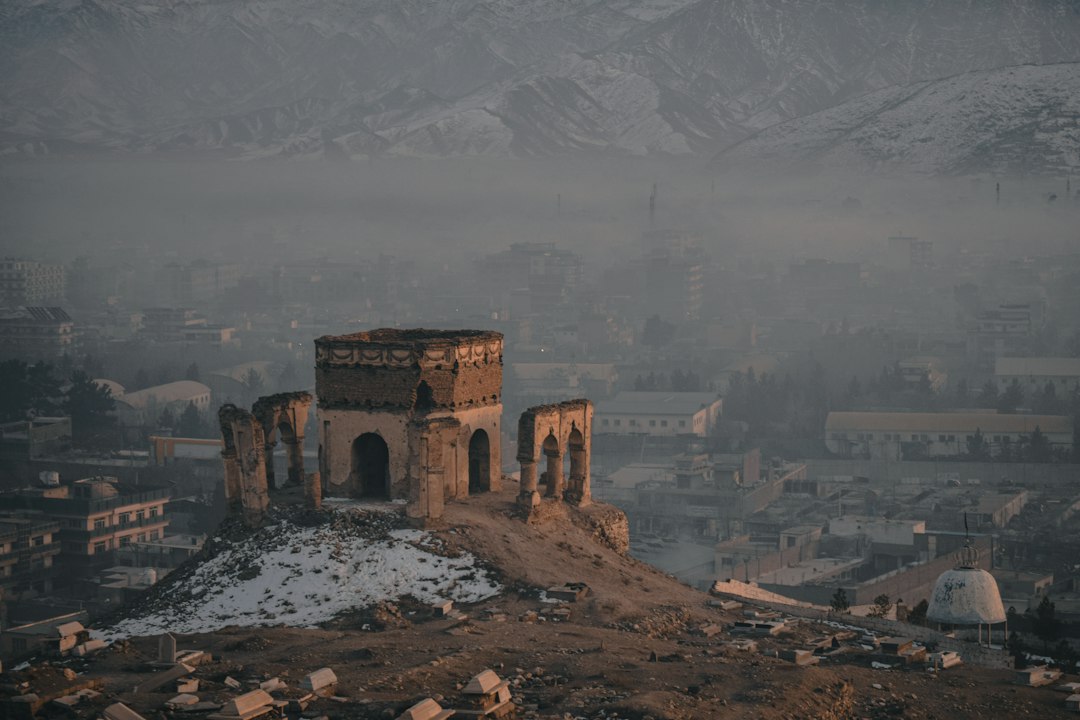
Featured image: Kabul file photograph used for geographic context; it does not depict the suspects or ICC proceedings. Photo by Qasim Mirzaie via Unsplash.