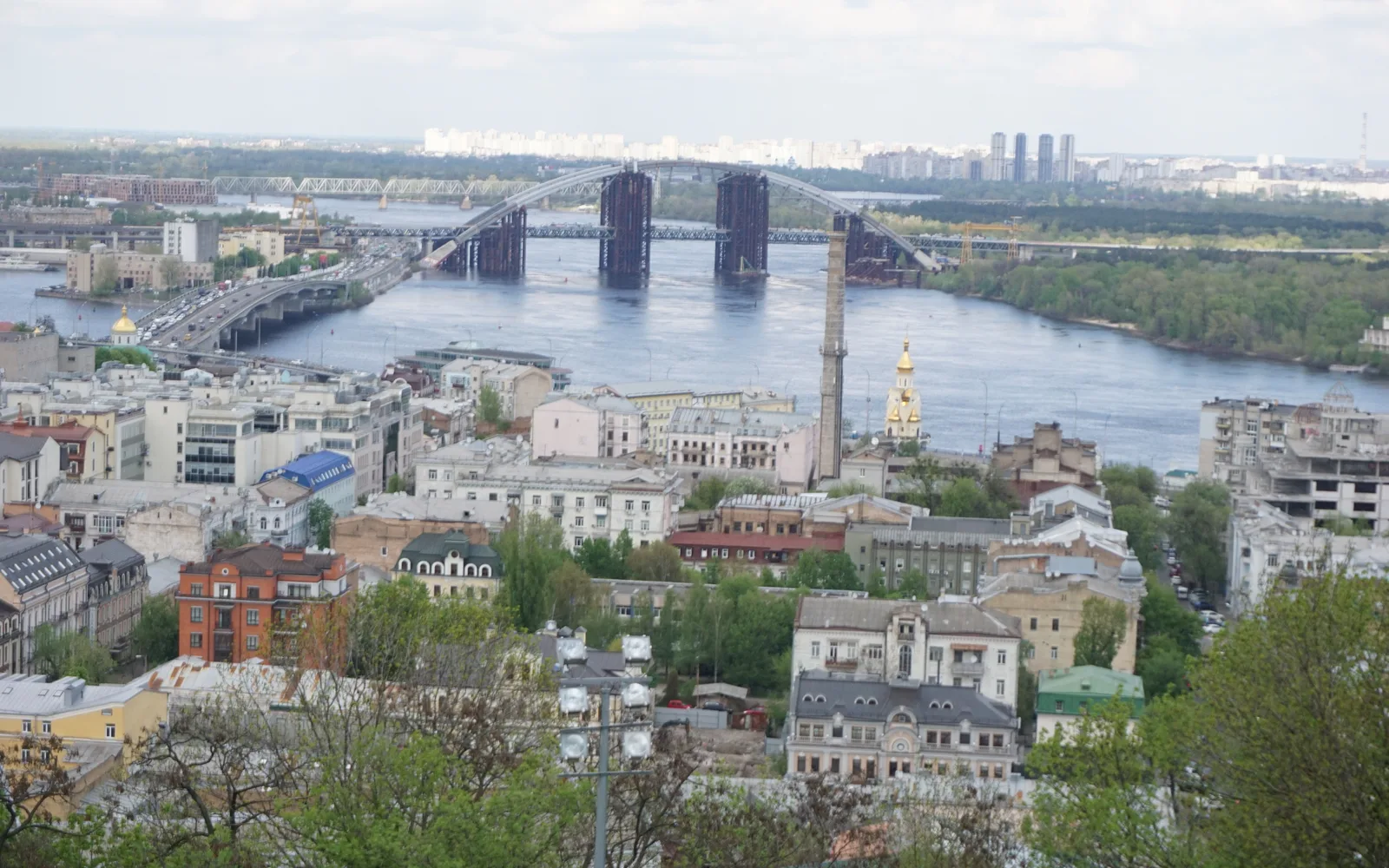
KYIV, Ukraine. Russia fired 36 ballistic missiles at Kyiv and the surrounding region overnight on November 6 and 7, and Ukraine shot down only four of them. President Volodymyr Zelenskyy blamed a shortage of interceptors for the Patriot systems, the U.S.-made defences Ukraine relies on against ballistic weapons. Zark News reported the barrage and its damage on Sunday.
Why it matters
Ballistic missiles fly high and fall at very high speed, which makes them far harder to stop than drones. This attack struck the substations, the sites that move electricity into the grid, that connect two nuclear power plants to the capital. Power cuts in five regions and a closed main bridge followed. It also landed three days before United States-brokered talks in Abu Dhabi, so its timing matters as well as its scale.
What we know
- The scale of the attack. Russia launched 36 ballistic missiles at Kyiv and its region and 172 drones across Ukraine, according to Zelenskyy and Ukrainian officials, reported by the Associated Press and the BBC. Nine people were wounded, including a child.
- Why so few were stopped. Zelenskyy linked the result directly to a shortage of Patriot interceptors and said the United States, above all, can help address it. Washington has approved a possible sale of 500 PAC 3 interceptors valued at about $2.1 billion, according to reporting on the approval, but deliveries could take years.
- The power grid was a main target. Strikes hit substations that connect the Rivne and Khmelnytskyi nuclear power plants to Kyiv and central Ukraine, according to Zelenskyy. Substations were also damaged in four other regions, Energy Minister Denys Shmyhal said power was cut in five regions, and homes and a kindergarten were damaged in Kyiv.
- A main Kyiv bridge was hit and closed. The Northern Bridge, a major crossing over the Dnipro River, was closed in both directions. Zelenskyy said six missiles were fired at it and four hit it. Zark News also published video coverage.
- Each side gives a different account. Russia’s Defence Ministry said it struck military, industrial, energy and transport sites, and said the bridge carried military transport. Ukraine has not accepted that account. Zelenskyy said Russia was, in his words, “preparing for trilateral talks by launching ballistic missiles at Ukraine’s critical infrastructure.”
- The warning came a day earlier. On November 6, Zelenskyy warned Russia was preparing to strike energy sites and Dnipro bridges. The attack followed a November 3 barrage of 289 drones, 17 ballistic missiles and 59 cruise missiles, according to Zelenskyy.
What we still don’t know
- The final casualty count. The Associated Press and BBC account on November 7 listed nine wounded and no confirmed deaths in Kyiv. Later reports from other outlets gave different figures across Ukraine. The full toll is not settled.
- Whether North Korean missiles were used. Zelenskyy said preliminary findings at one damaged energy facility pointed to North Korean-made KN-23 missiles. No final forensic report has been published.
- The full extent of the grid damage. Officials have not given a settled count of homes that lost power, how long substation repairs will take, or when the Northern Bridge can reopen.
- Why the barrage came when it did. Zelenskyy says it was a message before the Abu Dhabi talks. The timing is clear, but Russia’s intent is not proven, and the strikes also fit the pattern of power system attacks that leaders warned would grow in colder weather.
- Whether more interceptors will arrive in time. No delivery date that would cover the next large barrage has been confirmed in the reporting reviewed.
What’s next
Repair crews are working to restore power, heat and water and to assess the bridge. The larger test comes on November 10 and 11 in Abu Dhabi, where United States, Ukrainian and Russian officials meet in a trilateral format, the first such meeting since February, according to reporting on the talks. For Kyiv, the questions are practical: how soon power is restored, when the bridge reopens, and whether more interceptors arrive before the next barrage.
Timeline
- November 3, 2026: Russia launches 289 drones, 17 ballistic missiles and 59 cruise missiles, according to Zelenskyy.
- November 6, 2026: Zelenskyy warns Russia is preparing strikes on energy sites and Dnipro bridges.
- Overnight, November 6 to 7, 2026: Russia fires 36 ballistic missiles at the Kyiv region and 172 drones across Ukraine. Four ballistic missiles are shot down.
- November 7, 2026: Zelenskyy reports the interceptor shortage and the preliminary KN-23 finding. Officials report substation damage, power cuts in five regions and the bridge closure. Russia says it struck military, industrial, energy and transport sites.
- November 8, 2026: Damage assessment and repairs continue, and the casualty and damage counts remain unsettled.
- November 10 to 11, 2026: United States, Ukrainian and Russian officials are due to meet in Abu Dhabi.
Sources: Zark News reporting; Associated Press via AP News; BBC; Ukrainian presidential and Energy Ministry statements; The Kyiv Independent. Official statements are reported as what each side said, not as proof of its claims.