KYIV, Ukraine, Russia fired 36 ballistic missiles at Kyiv and the surrounding region overnight on November 6 and 7, and launched 172 drones across 13 regions of Ukraine, President Volodymyr Zelenskyy said on November 7, according to Ukrainian officials and reporting by the Associated Press.
Zelenskyy said Ukrainian air defences shot down only four of the ballistic missiles. He linked the low number to a shortage of interceptors for the Patriot air defence systems that Ukraine uses against fast moving ballistic weapons. Nine people were wounded in the attacks, including a child, Ukrainian officials said. The figures came from the Ukrainian side and were reported as officials assessed damage across the capital region and other areas hit by drones.
Preliminary Ukrainian findings said North Korean made KN-23 missiles hit a key energy facility. Officials presented that finding as preliminary, not as a final conclusion about the weapons used. Ukraine’s Energy Ministry said the strikes damaged power lines carrying electricity from the Rivne and Khmelnytskyi nuclear power plants. The damage led to blackouts in five regions, the ministry said, as crews worked to reroute power and repair the lines.
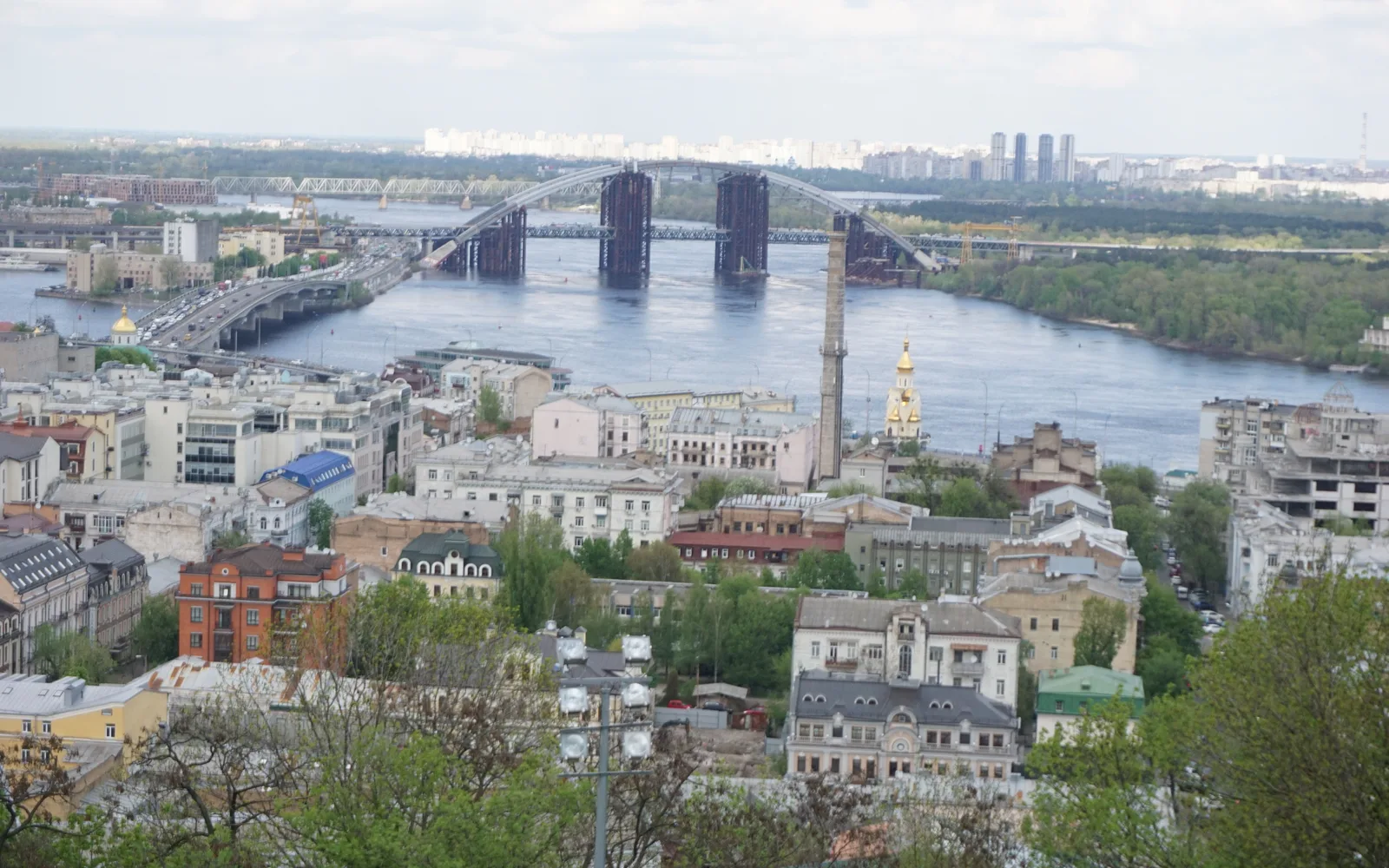
Kyiv’s Northern Bridge, also known as the Pivnichnyi Bridge, was also hit and was closed after the attack. Zelenskyy said six missiles were fired at the bridge and four of them hit it. Russia’s Defence Ministry said its forces struck military and industrial sites, energy sites and transport sites in Ukraine. The ministry said the bridge carried military transport, a claim Ukraine has not accepted in its public accounts of the attack.
The barrage came one day after Zelenskyy warned on November 6 that Russia was preparing to strike energy sites, bridges over the Dnipro River and other civilian infrastructure. It also followed a large attack on November 3, when, according to Zelenskyy, Russia launched 289 drones, 17 ballistic missiles and 59 cruise missiles. Ukrainian leaders have warned for weeks that Russia would again target the power system as colder weather increased demand for heat and electricity.
Why it matters is clear in the places that were hit. Power lines linked to nuclear plants, a main bridge in the capital and energy sites in several regions are all part of the basic systems that keep cities running. When air defences cannot stop most ballistic missiles, officials say, each large salvo has a greater chance of cutting power, closing transport routes and forcing emergency repairs under pressure.
What happens next will be shaped in part by talks set for Abu Dhabi on November 10 and 11, where officials from the United States, Ukraine and Russia are due to meet in a trilateral format. The talks come as the latest strikes raise fresh questions about whether diplomacy can slow the fighting. For Kyiv residents, the immediate questions are more basic, how soon power returns in the regions facing blackouts, when the Northern Bridge can reopen, and whether more interceptors reach Ukraine in time for the next attack.
Sources: Associated Press reporting via AP News, Ukrainian presidential and Energy Ministry statements, and The Kyiv Independent.