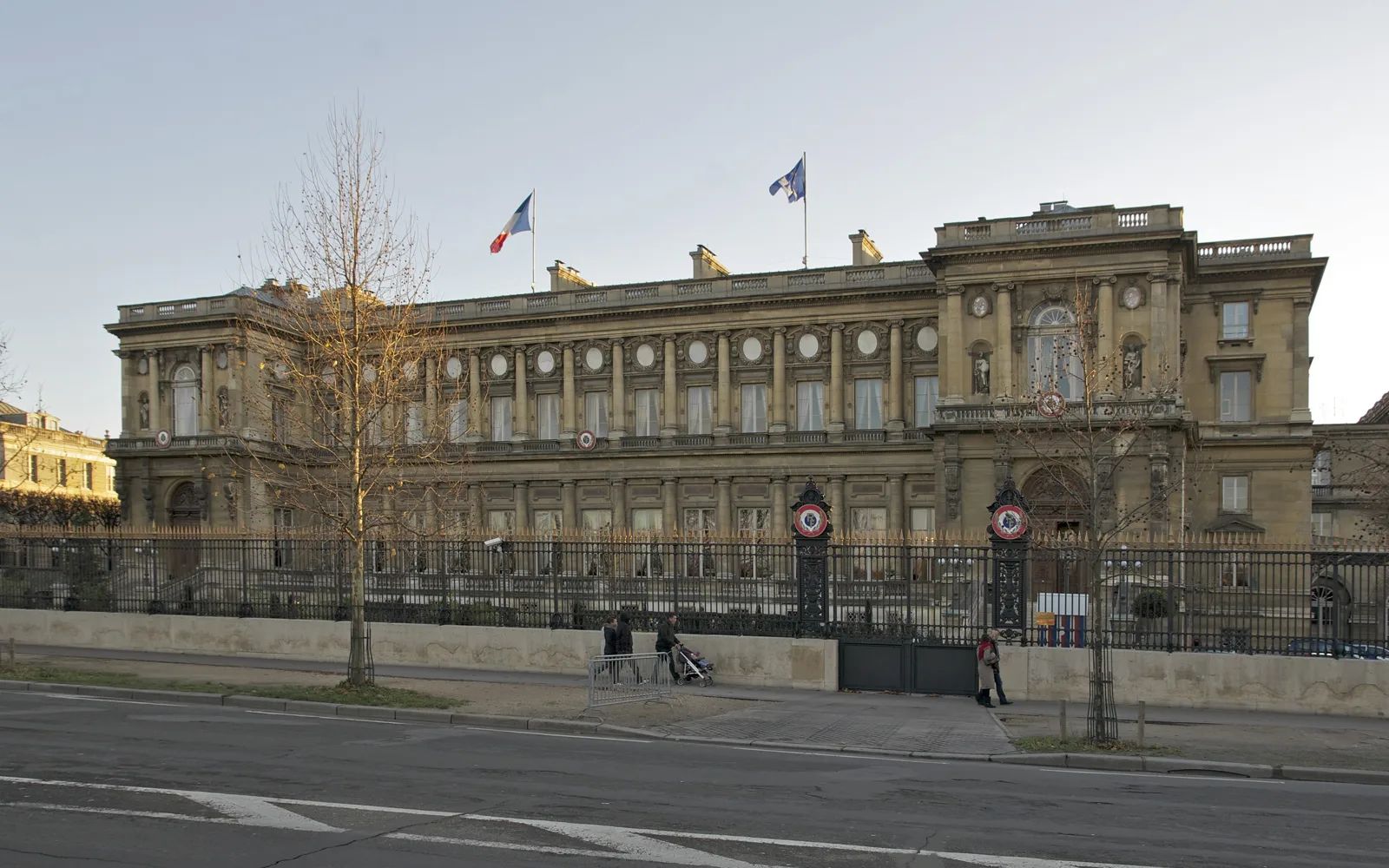
PARIS — Foreign ministers of the Group of Seven leading industrialised nations opened two days of talks in Paris on Monday, with Europe pressing the United States for a fair settlement in Ukraine and for restraint on Iran, according to Reuters and AFP reporting.
The G7 brings together Britain, Canada, France, Germany, Italy, Japan and the United States, alongside the European Union. The meeting was moved at short notice from Marseille to Paris, with scheduling reasons given for the change. It is one of the final acts of the French G7 presidency, which saw President Emmanuel Macron host the leaders’ summit at Evian this summer, and the United States takes over the presidency in 2027.
All eyes are on Secretary of State Marco Rubio, who is attending both days, unlike the March meeting where he came for one. It is his first foreign trip since the midterm elections, and United States media have discussed him as a potential successor to President Donald Trump. Ukraine’s foreign minister, Andrii Sybiha, is expected to join a dedicated session on Tuesday, and ministers from countries including Saudi Arabia, Egypt, South Korea and Brazil are also attending parts of the meeting, according to diplomats cited by Reuters.
The timing is the point. On Tuesday and Wednesday, United States mediated talks between Russia and Ukraine open in Abu Dhabi, and European governments are concerned that Kyiv could be pressed into terms that cost it territory without security guarantees. French Foreign Minister Jean-Noël Barrot told RTL radio that Europeans would be represented this time and that France would take part in the Abu Dhabi talks. Four G7 diplomats told Reuters the Paris meeting is also the first chance for allies to judge whether the Republican midterm defeat changes Washington’s approach to Ukraine, the Middle East and its partners.
Iran is the second hard file. President Trump has not ruled out new strikes, including on the suspected nuclear site Tehran calls Pickaxe Mountain, which Iran denies is a nuclear facility. European ministers want Washington to keep to diplomacy, while talks on reopening the Strait of Hormuz to normal shipping remain stalled. France has indicated the Paris meeting is not expected to produce a joint communiqué, a sign of the gaps the ministers are working around.
On the sidelines, the French finance ministry hosts a donor conference on Monday to raise money to repair the protective dome over the Chernobyl reactor in Ukraine, which was damaged in a Russian strike last year. What happens next plays out on two tracks: the Paris consultations, and then Abu Dhabi, where Europe’s demand for a seat at the table meets the first direct test of the new round of Ukraine negotiations.