CAIRO — At least seven people were killed and more than 100 were injured on Sunday when two passenger trains collided in Giza governorate south of Cairo, Egypt’s Health Ministry said, according to CNN and Reuters reporting.
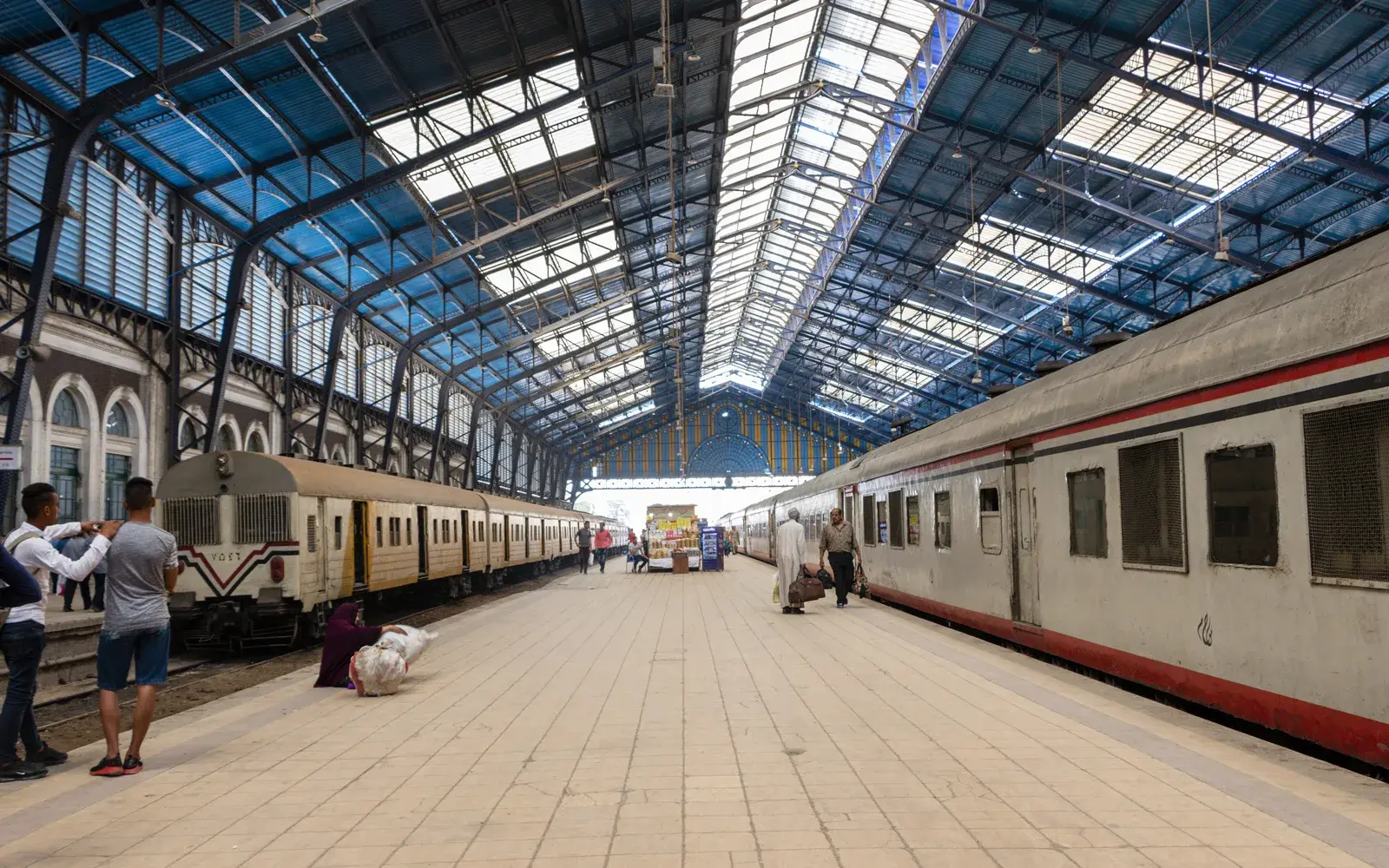
The crash happened in the Al-Ayyat district, about 52 kilometres south of the capital, between Kafr Ammar and Al-Raqqa stations. The Egyptian National Railways Authority said a train travelling from Giza to Fayoum struck the rear of a train heading from Cairo to Aswan that was on the same track. Several carriages derailed, and the public prosecutor’s office said its inspection indicated the Cairo to Aswan train was stationary when the last carriage was hit.
The Health Ministry first reported four dead and 88 injured, then raised the toll to seven dead and 112 injured. The chief prosecutor’s office gave a higher injury figure, saying more than 125 people were injured and that more than 70 of them had been discharged after treatment. The two figures had not been reconciled by officials on Sunday night, and authorities described the tolls as subject to update as the assessment continued.
President Abdel Fattah al-Sisi ordered a prompt investigation and said anyone found responsible through negligence would be held accountable, according to a statement on his official page. Investigators from the public prosecution reached the site on Sunday, and rescue crews used cranes to clear wreckage and reopen the line. No cause has been announced, and officials have not said why the second train reached the stationary train on the same track.
Egypt’s railway network is the oldest in Africa and the Middle East and carries millions of passengers, and it has a long record of deadly accidents that officials have repeatedly blamed on ageing equipment, maintenance failures and human error. Al-Ayyat itself was the site of Egypt’s worst rail disaster, a 2002 train fire that killed more than 370 people. Successive governments have announced large upgrade programmes for signalling and rolling stock, but serious crashes have continued.
What happens next rests with the prosecution’s technical inquiry, which will examine signalling, dispatch records and the condition of both trains. For the families at hospitals in Giza, the immediate questions are simpler: the names of the dead, the condition of the injured, and whether the differing official tolls settle into one confirmed figure in the coming days.