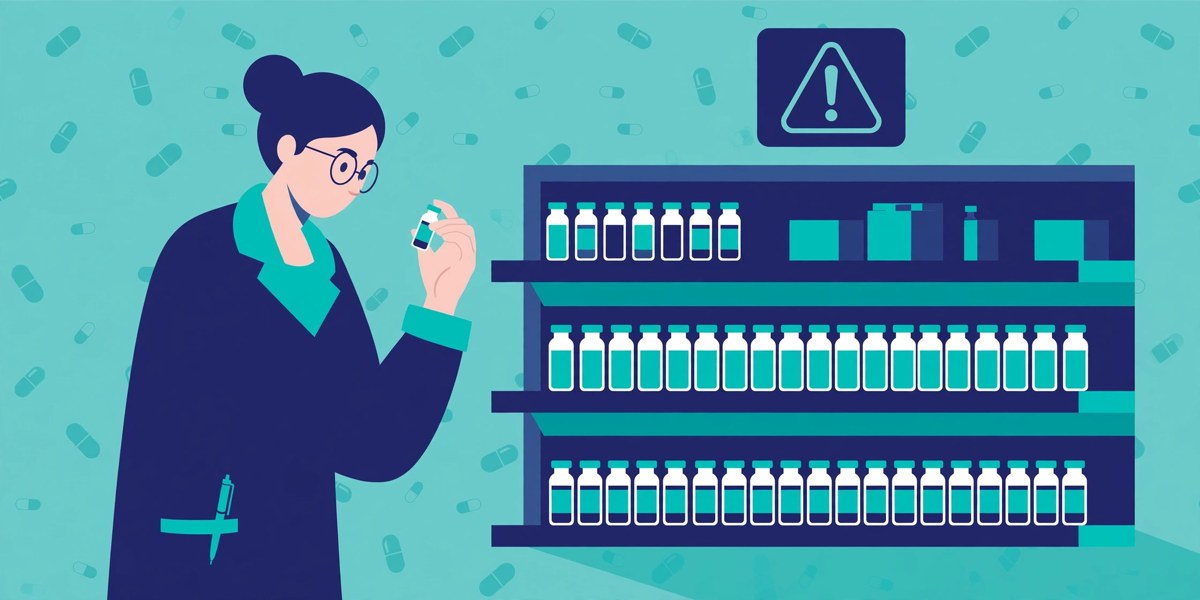
CARY, North Carolina — Apothecary Pharma LLC is recalling 23 vials of injectable drugs distributed nationwide because their sterility cannot be assured, according to the Food and Drug Administration.
The voluntary recall includes 22 vials of compounded tirzepatide — a GLP-1 medication containing the same active ingredient as Eli Lilly’s Mounjaro and Zepbound — and one vial of NAD+ injection, according to the FDA notice reported by FOX Business and USA Today. The FDA classified the recall as Class II on October 8, a designation meaning use of the product could cause temporary or medically reversible adverse health consequences, while the risk of serious harm is considered small. The injections are compounded versions of the drug: they are not name-brand or FDA-approved products, but custom formulations made by a specialized compounding pharmacy, USA Today reported.
The affected tirzepatide product is an 18 mg/mL prescription injection in a 4 mL multidose vial, with NDC number 85091-001-18. The recalled lots are AP-202622 through AP-202625 and AP-202627 through AP-202644, with beyond-use dates from October 7 through November 26, 2026, according to the FDA notice. The recalled NAD+ injection is a 200 mg/mL prescription product in a 6 mL multidose vial, NDC 85091-011-06, lot AP-202647, with a beyond-use date of October 13, 2026. Apothecary Pharma initiated the recall on September 24 and notified recipients by letter; the recall remains ongoing, and the FDA notice did not identify any reported illnesses or injuries linked to the products.
The recall follows a December 2025 FDA warning letter to the North Carolina company that cited “serious deficiencies in your practices for producing drug products intended or expected to be sterile, which put patients at risk,” according to USA Today. The agency said it has not established a connection between those findings and the current recall. Compounded GLP-1 drugs have been a special focus of the FDA since tirzepatide and semaglutide were removed from the official drug shortage list in late 2024 and early 2025; compounding pharmacies that had filled the gap for millions of patients were expected to stop mass production, but many continued, prompting warnings and legal challenges, USA Today reported.
Patients who have the affected vials should check their vials or pharmacy records, stop using the affected products, and contact their pharmacist or prescriber for guidance, according to guidance summarized in the reporting. Anyone experiencing fever, redness, swelling or worsening pain after an affected injection should seek medical advice. Sterility failures in injectable drugs carry a known risk: a 2012 outbreak linked to unsanitary injections from the New England Compounding Center made nearly 800 people ill and killed 64, USA Today noted — a historical case the agency’s oversight of compounding pharmacies is designed to prevent repeating.
Why it matters: millions of Americans turned to compounded GLP-1 injections when brand-name weight-loss and diabetes drugs were in shortage or unaffordable. This recall is small in volume — 23 vials — but it tests the safety system around a market that grew faster than the oversight built for it.
What happens next: the recall remains ongoing under FDA classification, and patients holding vials from the listed lots should follow the stop-use guidance above. USA Today said it contacted Apothecary Pharma and the FDA for comment on October 19 and had not received a response. Read the original USA Today report here.