A BBC investigation has found evidence that Sudan’s paramilitary Rapid Support Forces systematically targeted and destroyed the healthcare system of el-Fasher, the Darfur city they besieged and captured a year ago.
The investigation documents at least 43 separate attacks on hospitals and health sites between May 2024 and October 2025, and records that 55 medical workers were killed, 120 injured and 10 abducted or forcibly disappeared, the BBC reported.
UN High Commissioner for Human Rights Volker Türk called the findings “deeply disturbing,” saying multiple attacks by the RSF on civilian infrastructure, including health facilities, were serious violations of international humanitarian law and may amount to war crimes.
RSF rejects the findings
The RSF has rejected the investigation. Its health minister, Dr Alaa Eldin Nugud, described the allegations as propaganda and a deliberate attempt by the national army and its allies to smear the RSF’s reputation, telling the BBC that missile launchers had been set up on the grounds of the South Hospital.
Doctors who worked in el-Fasher denied the hospital had been turned into a military base, saying they had visited it during the war to collect medical equipment. The BBC said it found no independent evidence for Dr Nugud’s claim, and the Darfur regional government categorically rejected the charges.
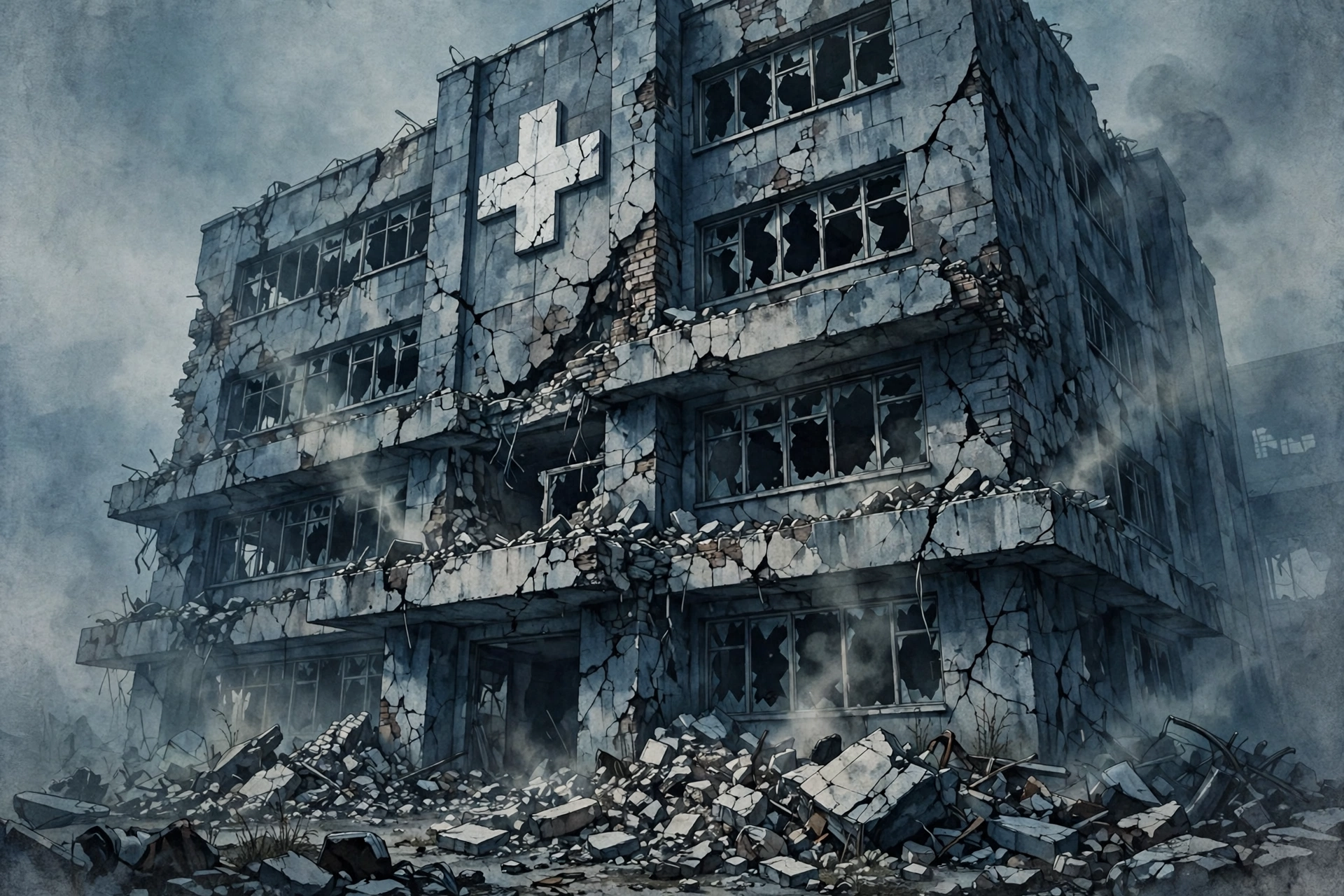
Hospitals bombed, raided and closed
The BBC’s reporting describes how the South Hospital, el-Fasher’s primary surgical hub, was repeatedly shelled before being raided on June 8. Its director general, surgeon Izzeldin Ahmed Dawaud Asow, told the BBC he was beaten with rifle butts and only survived by pretending to be dead.
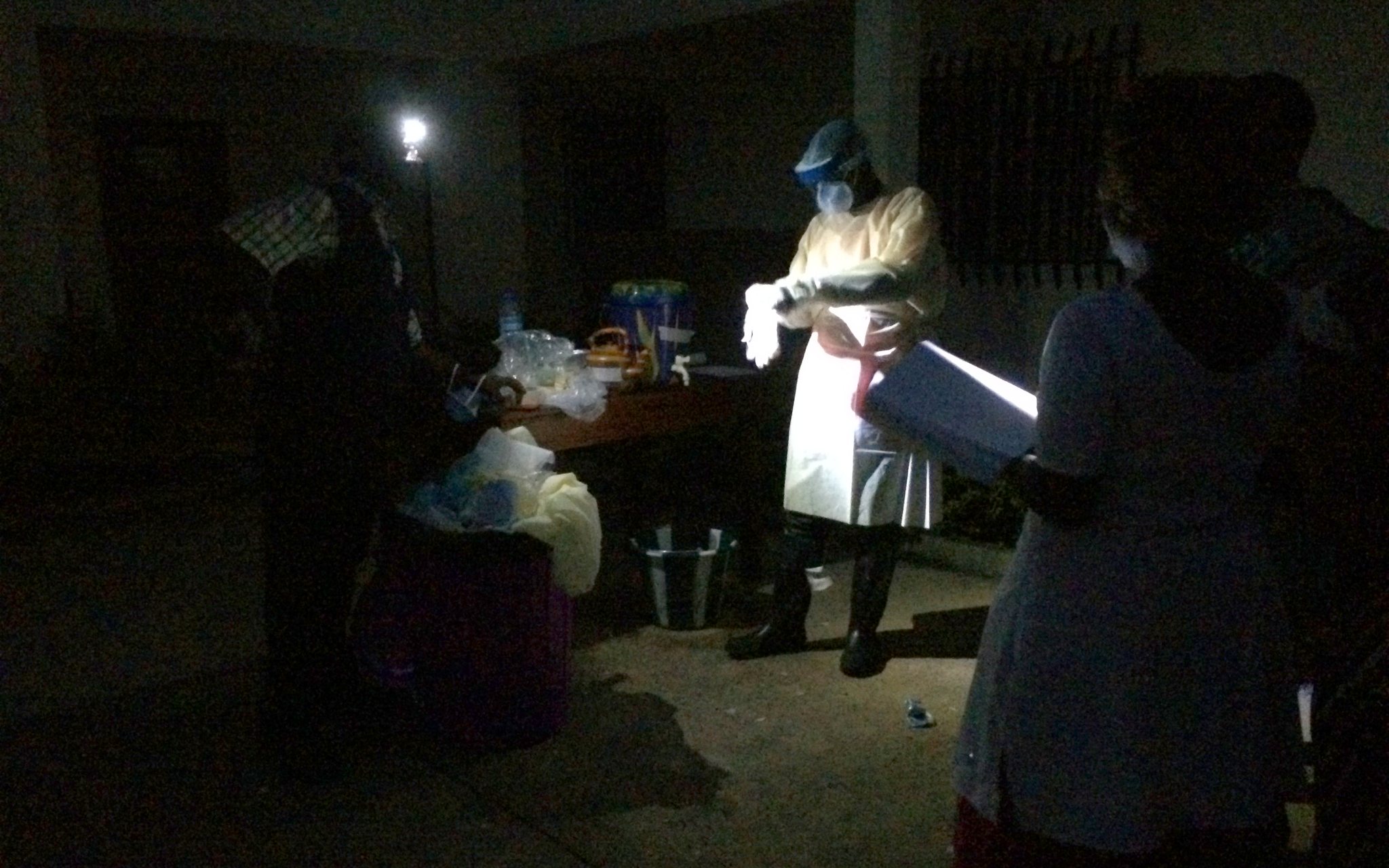
The Saudi Maternity Hospital became the last functioning facility in the city, where medics performed a Caesarean section by phone light on the day it was bombed, according to the BBC’s reporting. The medical charity Médecins Sans Frontières sounded the alarm, saying in a statement that “we do not know if hospitals are being intentionally targeted, but … the belligerents are not taking any precautions to spare them.”
The Specialised Children’s Hospital moved to two other locations during the war, both of which were then shelled and forced to close, the BBC reported. The main dialysis centre was struck and then attacked again after it relocated.
UN corroborates attacks on hospitals
In a separate statement on October 10, the UN human rights office confirmed that at least 14 civilians were killed in attacks on October 5 and 7 on the Saudi Hospital, which it described as the last major functioning health care facility in North Darfur. The statement said the hospital had repeatedly come under attack and was already operating at reduced capacity.
The World Health Organization said el-Fasher represents “one of the clearest and most severe examples of the wider impact of the conflict on health care in Sudan.”
This is a developing story.
Sources: BBC; UN Office of the High Commissioner for Human Rights; World Health Organization.