
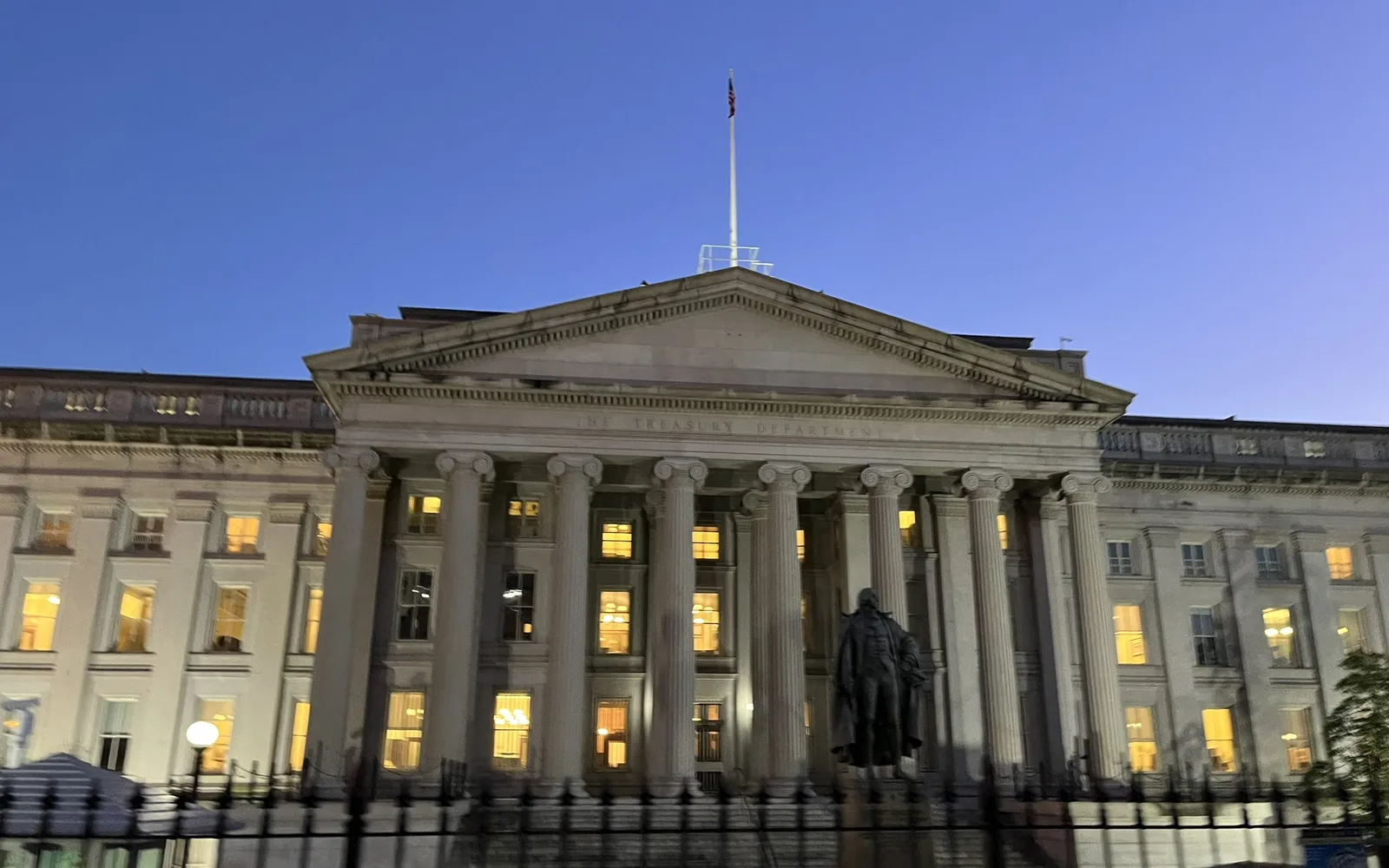
WASHINGTON: The United States Treasury Department said on Friday, November 6, that its Financial Crimes Enforcement Network, known as FinCEN, has issued an order that will cut the cryptocurrency exchange MEXC off from the American banking system, after finding the company to be a financial institution of primary money laundering concern in connection with Russian illicit finance, according to the Treasury Department.
FinCEN is the part of the Treasury Department that fights money laundering and follows suspicious money through the financial system. The order was issued under section 9714 of the Combating Russian Money Laundering Act. In plain words, it tells covered American financial institutions that they may not carry out any transmittal of funds to or from MEXC. A transmittal is the sending or receiving of money or value on behalf of a customer, and the ban covers cryptocurrency transfers as well as regular money.
FinCEN said MEXC facilitated at least 16.7 billion dollars in likely illicit activity between May 2021 and May 2026. A public release from the Treasury Department put the figure in rounder terms, at least 16 billion dollars, over the same period. The agency presented these numbers as its findings in the order. They are government findings and allegations about past flows through the platform, not a criminal conviction of the company.
The order breaks that total down by risk. FinCEN said MEXC had nearly 1.5 billion dollars in direct and indirect exposure linked to Russian sanctions evasion. It said the exchange handled about 1 billion dollars in direct transactions with more than 40 Iranian exchangers, and almost 2 billion dollars tied to actors linked to Iran or to suspected terrorist groups. It also linked at least 1.99 billion dollars to illicit cyber actors, and pointed to activity involving ransomware payments, scams, darknet markets and North Korea.
MEXC Global was founded in 2018 and is incorporated in Seychelles. It remains a large platform. Treasury figures dated September 2026 said the exchange processed more than 1 billion dollars in trading each day and held about 5 billion dollars in reserves. Its size is one reason the department said a full cutoff from American banks, rather than a smaller step, was needed to protect the financial system.
The order is not the same as a sanctions listing by the Office of Foreign Assets Control, and it does not block or freeze the property of MEXC or its users. Its force is narrower and, for an exchange, still severe: American financial institutions covered by the order must not move funds to or from the company. The order takes effect 30 days after it is published in the Federal Register. As of November 7, that publication had not yet happened, and the order has no set end date.
MEXC said it is reviewing the order with its legal and compliance teams. The company said its operations are continuing normally and that user assets are secure. It also said it has begun an independent review of its controls.
Why it matters is access. An exchange that American banks will not serve loses its easiest route to dollars, to American customers and to the wider banking system, even if its property is not frozen. What happens next starts with publication in the Federal Register, which starts the 30 day clock. Banks will prepare to cut ties, and MEXC’s own review will show whether it tries to change how Washington sees its controls.
Sources: U.S. Department of the Treasury press releases and FinCEN, the Financial Crimes Enforcement Network.