WASHINGTON — The U.S. military disabled a commercial ship in the Gulf of Oman on Thursday after it tried to run the American naval blockade of Iranian ports, U.S. Central Command said on Friday, according to Reuters and the Associated Press.
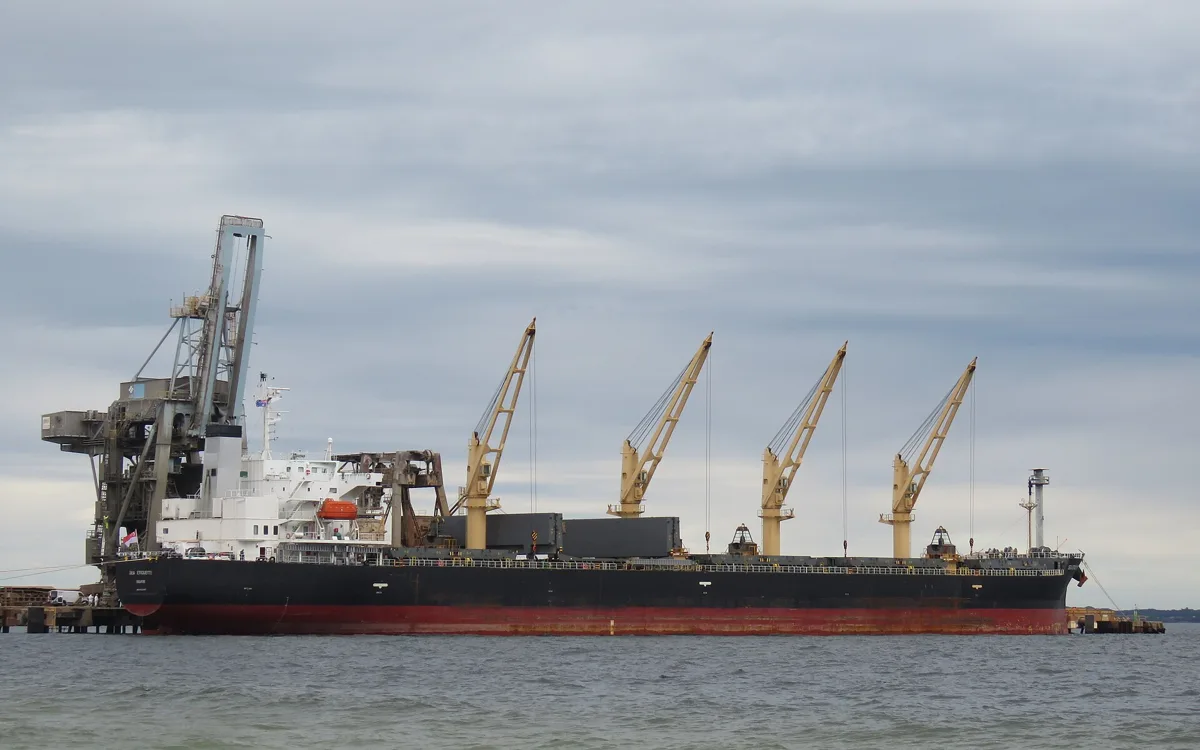
A military aircraft fired precision munitions at the stern of the Palau flagged M/V Pacific Archer, Central Command said in a statement. The ship’s propulsion was disabled and its civilian crew was unharmed. The bulk carrier had left the Iranian port of Bandar Abbas before trying to pass the blockade despite multiple warnings, the command said, and ship tracking websites list its destination as Singapore, according to AP.
Central Command said U.S. forces have now redirected 158 commercial vessels that complied with the blockade and disabled six that refused to comply since the blockade resumed in July. The Pacific Archer is at least the 15th vessel disclosed as disabled since the blockade first began in the spring, AP reported, and the first since November 7.
The blockade has been in place, with one pause, for most of the year. The United States began blockading Iranian ports in April, lifted the measure in the summer during talks with Tehran, and resumed it in July after those talks stalled, according to AP. Enforcement takes place in and around the Strait of Hormuz and the Gulf of Oman, the narrow waters through which a large share of the world’s traded oil passes.
Iran reacted sharply. An adviser to Iran’s supreme leader said Tehran would keep the Strait of Hormuz shut and vowed to break the embargo, according to Reuters, and Iranian officials threatened military action from the air and sea, according to other reporting of Tehran’s response. Iran has denied responsibility in a separate dispute this week, the drone strike in Kuwait that killed two Italian technicians, and the two governments’ accounts of events in the Gulf remain sharply at odds.
The encounter matters beyond one ship. Each disabled vessel raises the risk of a wider clash in waters that carry oil and goods to markets around the world, and insurers and shipping companies watch every incident for signs that the route is becoming too dangerous to use. Energy markets have treated the blockade as a standing risk since the spring, and a closure of Hormuz by either side would be felt in fuel prices far from the Gulf.
Central Command said it continues to strictly enforce the blockade. No injuries were reported in Thursday’s strike, and there was no immediate word on what cargo the Pacific Archer was carrying or what would happen to the ship and its crew next.
What happens next depends on whether Tehran tests the blockade again and on whether stalled diplomacy revives. For now, the pattern is set: compliant ships are turned away, ships that run are disabled at the stern, and both sides say they will not back down.
Sources: Reuters and the Associated Press report at Military.com. U.S. Central Command statement via DVIDS.