NEW YORK — Hundreds of thousands of homes and businesses along the East Coast were still without power on Saturday morning as utility crews worked through a second full day of repairs after the Thanksgiving nor’easter, according to outage tracking data reported by the New York Post, The Weather Channel and the Wall Street Journal.
The storm struck on Thursday, Thanksgiving Day, with wind gusts of 50 to 70 miles per hour, record coastal flooding and heavy rain from North Carolina to New England. Outages peaked at close to one million customers on Thursday evening, according to The Weather Channel, and more than 600,000 customers were still without electricity on Friday morning. By Friday evening the figure had eased to more than 374,000, according to PowerOutage.com figures cited by the New York Post, with Pennsylvania and New Jersey the hardest hit states.
Pennsylvania had about 146,500 customers without power at mid morning on Friday and New Jersey about 126,600, according to the Post, with New York, Virginia and Maryland each reporting between about 50,000 and 84,000 outages. A separate snowstorm in the Midwest added to the national total, with tens of thousands of outages in Missouri after heavy snow fell in the eastern part of that state, according to the Journal.
The damage was not only to the power grid. The National Weather Service reported significant coastal inundation in Virginia, around Delaware Bay, in parts of the Chesapeake Bay and along the southern New Jersey coast, where onshore winds and king tides pushed the sea into streets and homes. In Norfolk, Virginia, waist high floodwater prompted at least 39 water rescues, The Weather Channel reported, and Atlantic City, New Jersey, saw two to three feet of water in some low lying neighborhoods. North River, North Carolina, recorded 9.4 inches of rain on Thanksgiving, according to AccuWeather figures cited in the reporting, and Central Park in New York set a holiday record with 2.18 inches of rain.
Governors moved early. New Jersey Governor Mikie Sherrill declared a state of emergency across all 21 counties, and New York Governor Kathy Hochul declared an emergency covering New York City, Nassau, Suffolk and Westchester counties and neighboring counties, according to the reports. In Maryland, the water utility WSSC Water asked its 1.9 million customers in Montgomery and Prince George’s counties to use water only for essential needs after storm related power problems affected its Potomac and Patuxent filtration plants, The Weather Channel reported.
The storm also rewrote the holiday itself. The 100th Macy’s Thanksgiving Day Parade was postponed for the first time in its history because dangerous winds threatened its giant balloons, and it was rescheduled for Saturday morning, November 28. Many families postponed or rescheduled Thanksgiving dinners after outages and travel disruption, The New York Times reported, with some gatherings moved to Friday, Saturday and beyond. About 2,100 flights were delayed and more than 400 canceled on Thursday, according to FlightAware figures cited by the Journal.
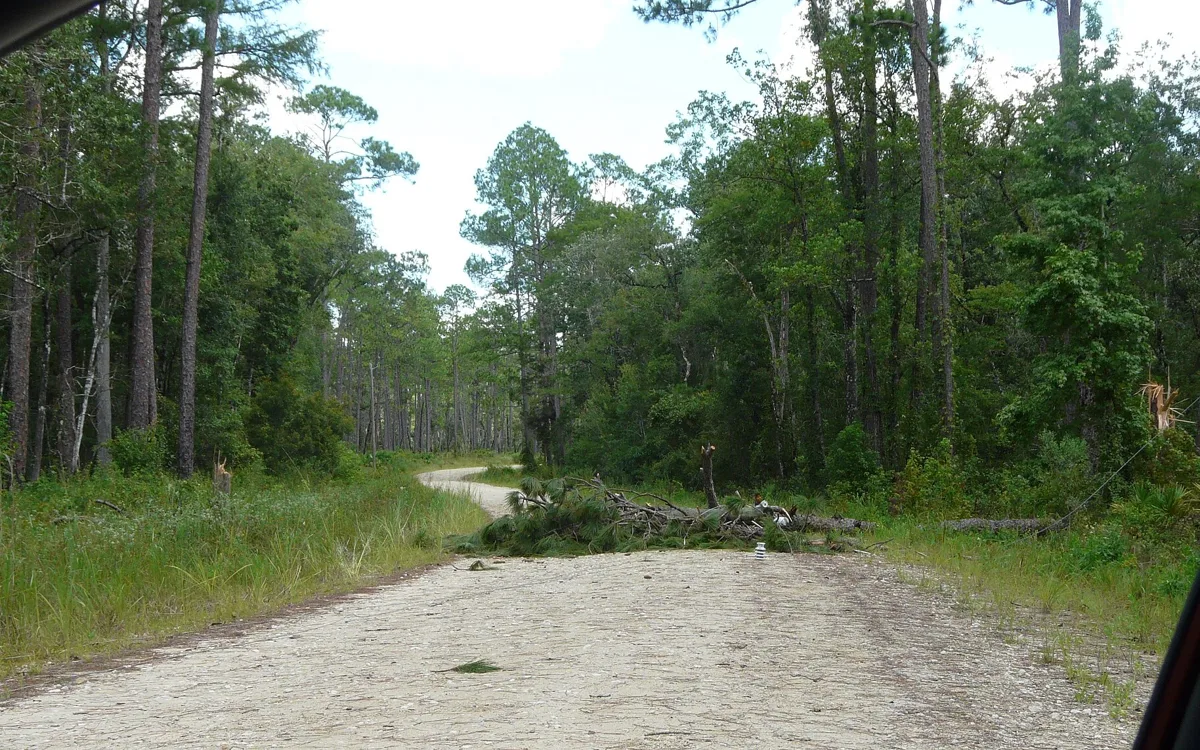
Why the recovery is slow is a matter of the kind of damage done. Utilities say fallen trees and broken poles take far longer to repair than tripped lines, and crews must clear roads before they can reach some equipment. Officials in the hardest hit areas have warned that some neighborhoods could wait days for power to return, even as the total number of outages falls steadily.
What happens next is a race between repair crews and the calendar. The rescheduled parade gives New York a visible sign of normal life returning on Saturday, while hundreds of thousands of households still face cold homes, spoiled food and disrupted work. Forecasters said conditions were gradually improving as the system moved away toward New England and Canada, but officials urged residents to stay clear of downed lines and to treat every wire as live.
Sources: New York Post, The Weather Channel and the Wall Street Journal.