
Updated: September 26, 2026, 9:26 a.m. Eastern. This report now includes the summit outcomes announced after the leaders’ meeting.
The United States and China have agreed on recommendations for more favorable tariffs covering $30 billion of non-sensitive goods in each direction, the White House said after President Xi Jinping’s visit. They also agreed to establish an AI incident communication channel.
The September 25 U.S. fact sheet describes tariff recommendations, not an implemented schedule of new duty rates. Its $30 billion figure refers to goods covered in each direction, not a stated $30 billion reduction in tax collections. Importers will need the implementing details before determining what changes for individual shipments.
The White House said the two governments established a technology dialogue, with the next exchange due by November. It calls the initiative the Super Intelligence Dialogue. Reuters reported September 26 that Beijing’s eight-point account of the visit also included tariff arrangements and an AI dialogue.
The announcements advance talks that began before the summit. The practical test now is implementation: the tariff terms businesses can use and how the incident channel will operate.
Sources for this update: White House summit fact sheet, September 25; Reuters on Beijing’s readout, September 26.
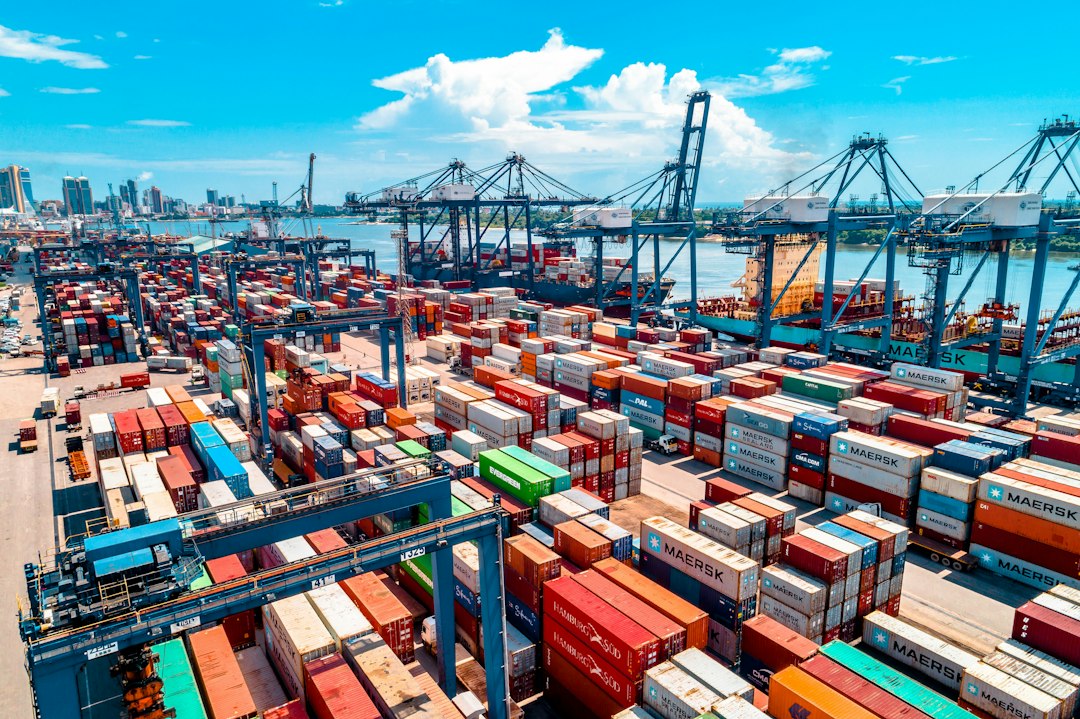
Image: Dar es Salaam port, Tanzania. Illustrative stock photograph by Ali Mkumbwa / Unsplash; not a photograph of the summit or a U.S.–China shipment.
Earlier reporting — September 23–24
The following coverage is retained as the record of expectations and announcements before the completed summit.
WASHINGTON — President Donald Trump is welcoming Chinese President Xi Jinping to Washington on Wednesday for a three-day U.S. visit, opening a closely watched round of diplomacy between the world’s two largest economies.
Reuters reported that the meeting comes with a broad set of unresolved issues, including trade, technology, Taiwan, fentanyl-related controls and artificial intelligence. The two governments have spent recent months negotiating ways to stabilize economic relations while continuing to compete across strategic industries.
China’s ambassador to the United States said ahead of the meeting that Taiwan and human-rights-related issues are among Beijing’s “red lines.” Separately, Reuters reported that Xi is expected to press Trump over U.S. arms sales to Taiwan. Any demands or expected negotiating positions remain part of the diplomatic bargaining and should not be treated as agreed outcomes.
AI has also moved higher on the bilateral agenda. U.S. Treasury Secretary Scott Bessent said after recent talks with Chinese Vice Premier He Lifeng that Washington had proposed a mechanism for notifying each other about AI incidents with national-security implications. Whether the leaders advance that proposal during the summit remains to be seen.
China also issued new guidelines this week for handling criminal cases involving fentanyl-related substances, another subject that has featured prominently in U.S.-China discussions.
What the summit could clarify
Update, Sept. 24: The United States and China have agreed to extend their trade truce by two months, moving its expiration from November 10 to January 10, U.S. Treasury Secretary Scott Bessent said after talks with Chinese Vice Premier He Lifeng. Bessent said the extension is intended to give both sides more time to work toward a broader trade agreement. The announcement came as President Donald Trump prepared to meet Chinese President Xi Jinping at the White House. Reuters reported that major breakthroughs at the summit were not expected, with trade, technology, Taiwan and Iran among the issues shaping the talks.
The extension reduces the immediate risk of the existing truce expiring in November, but it is not itself a comprehensive trade settlement. Zark News will treat additional claims about negotiations as provisional unless supported by formal announcements or documents from the governments involved.
Zark News will follow the summit for verified agreements, policy changes and official statements rather than treating negotiating positions as settled policy.
Sources: Reuters reporting published Sept. 21–23, 2026 on Xi’s visit, summit issues, Taiwan, fentanyl controls and U.S.-China AI discussions.