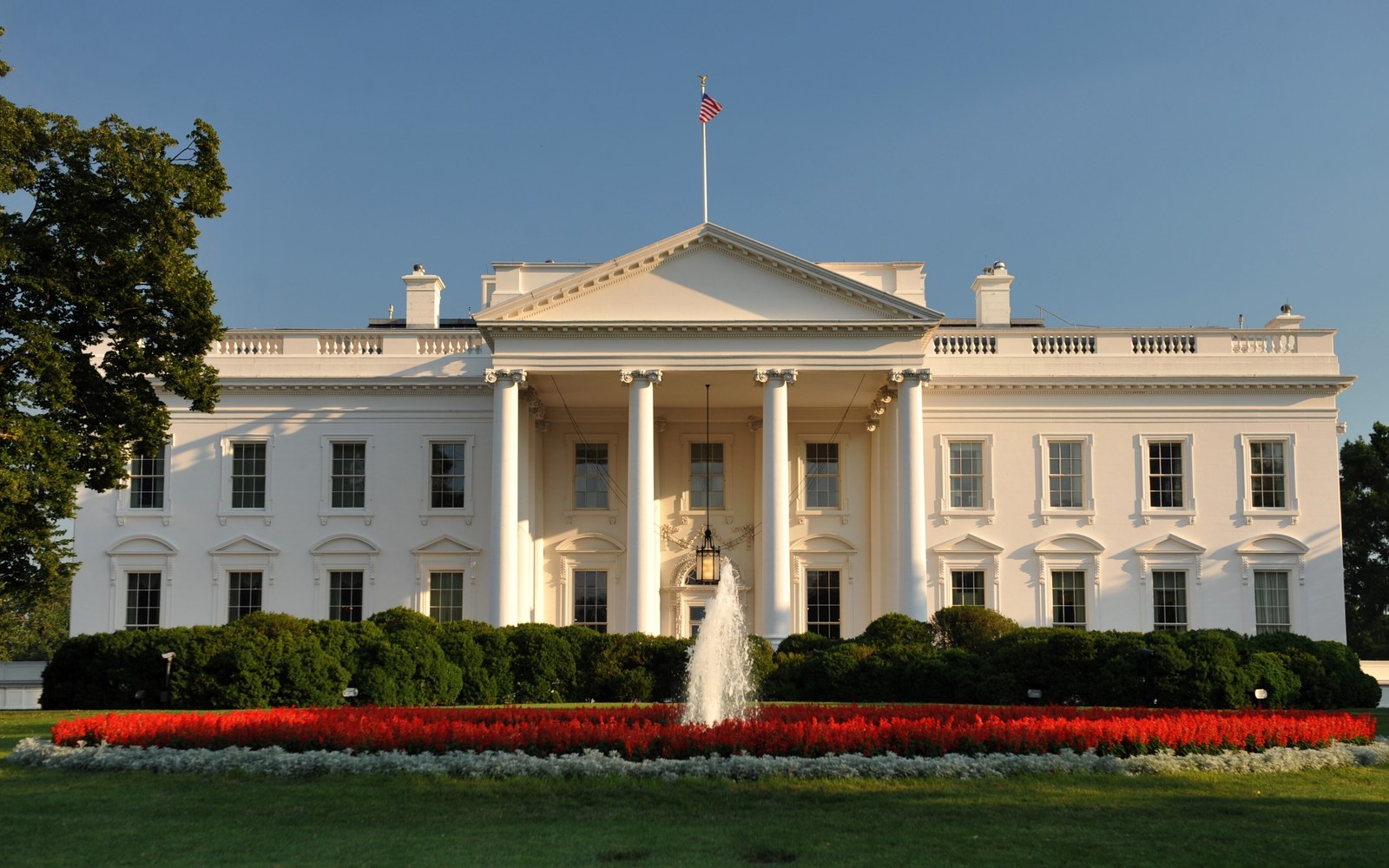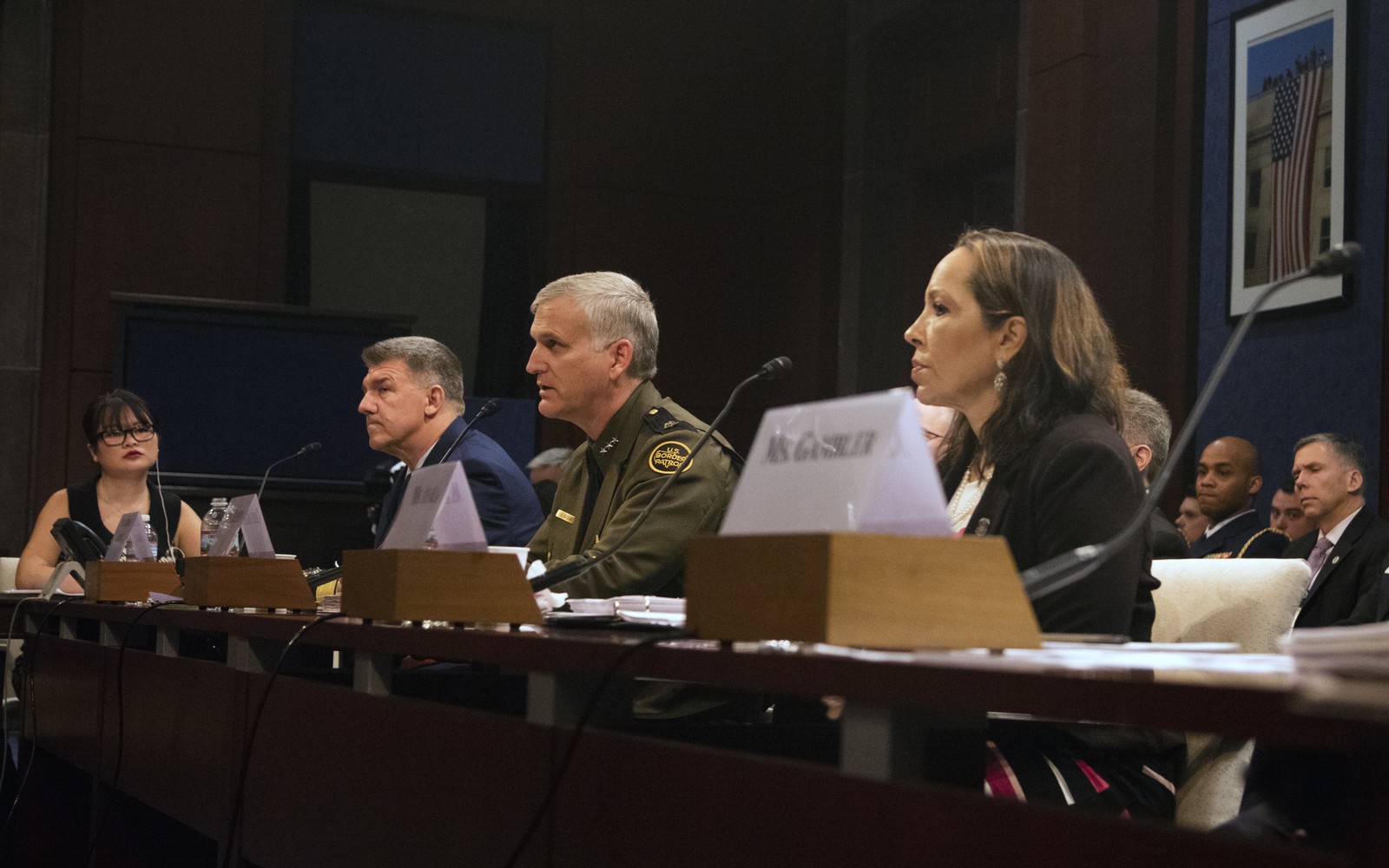
WASHINGTON. The White House has put itself between every federal employee and Congress. In a one-page memo sent on Monday, November 16, White House Counsel Will Scharf told every executive department and agency that no employee may agree to testify before a congressional committee until two White House offices approve it first. It arrives seven weeks before Democrats take control of both chambers and begin their promised investigations. Zark News covered the memo in its original story.
Why it matters
Oversight is how Congress checks the executive branch between elections, and most testimony happens by agreement, not by court fight. Routing every agreement through the White House gives the president’s own lawyers a say over which questions get answered, delayed or refused. The White House calls this coordination. Incoming Democratic leaders call it a gate on a power the Constitution gives to Congress.
What we know
- The order and its wording. The memo, titled “White House Approval Regarding Legislative Testimony,” went to the general counsels of every executive department and agency. It requires approval from the White House Office of Legislative Affairs and the Office of the White House Counsel “before any agency personnel may agree to appear before any congressional committee.” Scharf called this the “established White House consultation process.” Axios obtained the memo and PBS News published its full text.
- The reach is broad. It covers all personnel, all agencies and every committee, whichever party runs it. White Houses have long coordinated testimony, but a written approval rule covering everyone is broader than the usual practice.
- Subpoenas are not covered. The memo says nothing about subpoenas, the legal orders that can force a witness to appear. From January, Democratic committees can issue them, and disputes would be settled by negotiation or the courts.
- An older law points the other way. A law dating to 1912, now 5 U.S.C. Section 7211, says employees’ right to give information to Congress “may not be interfered with or denied.” No court has tested it against this memo.
- Both sides have stated their positions. A White House official told Axios the administration “will not be extorted, intimidated, or threatened into submission by politically motivated baseless investigations,” and said reasonable requests will be honored. Rep. Robert Garcia of California, the incoming House Oversight chair, answered that Congress’s authority “comes from Article I of the Constitution, not from the permission of the White House,” according to the Associated Press report of November 16.
What we still don’t know
- The approval standard. The memo does not say how requests will be judged, what counts as a legitimate inquiry, or how long a decision may take.
- The promised further guidance. The memo says more guidance on other dealings with Congress is “forthcoming.” Whether it will extend the rule to documents and briefings is unknown.
- Whether any request has been blocked. As of Tuesday morning, none was known to have been, and the current Republican-led Congress is unlikely to test the rule.
- How the legal fight ends. Garcia has said the House is prepared to sue; no court has ruled on this memo, and the impeachment and pardon talk reported by Axios remains talk, not action.
What’s next
The first test may come on December 10, when Commerce Secretary Howard Lutnick is due to testify voluntarily before the Senate Banking Committee, an appearance agreed before the memo. The larger test begins on January 3, when the new Congress is sworn in and Democratic chairs gain subpoena power. Each refusal then forces a committee to choose: negotiate, subpoena, or go to court.
Timeline
- November 3, 2026: Democrats win control of both the House and the Senate in the midterm elections.
- November 9, 2026: Scharf writes to Garcia warning that investigations meant to punish rather than legislate could “cross the line into blatant criminality.”
- Week of November 9, 2026: U.S. Attorney Aaron Reitz sends record preservation demands to Democratic senators, including Sen. Elizabeth Warren.
- November 16, 2026: Scharf sends the testimony approval memo to agency general counsels; Axios obtains it and PBS News publishes the full text.
- December 10, 2026: Commerce Secretary Howard Lutnick is scheduled to testify voluntarily before the Senate Banking Committee.
- January 3, 2027: The new Congress is sworn in and the promised Democratic investigations begin.
Reporting note: Based on the memo text published by PBS News and reported by Axios, the Associated Press report of November 16, and Zark News’s original reporting.