Spanish authorities had identified 56 of the 69 people killed in last week’s high-speed train collision in Toledo province as of Saturday, while the country’s transport minister refused to resign under pressure over the disaster.
The provisional death toll remains at 69, with more than 200 injured, according to figures released by the Data Integration Center and reported by Europa Press. Identifications have been carried out through fingerprints and DNA tests, with forensic teams and the Guardia Civil working through the weekend.
Transport Minister Oscar Puente rejected calls to step down, insisting he retains the support of Prime Minister Pedro Sanchez, The Times reported. Puente has presided over two deadly high-speed rail disasters in ten months on the same Madrid-Seville line.
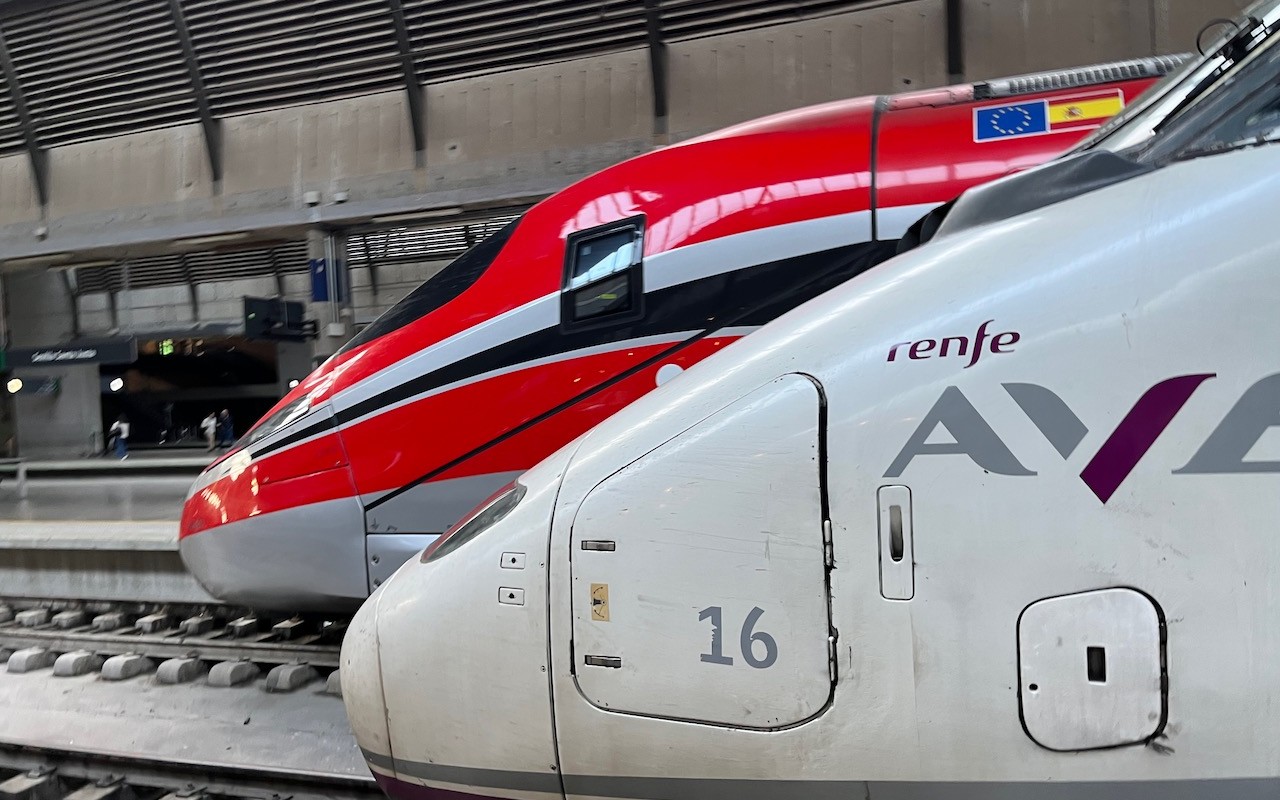
A preliminary report released Thursday found the Renfe AVE train was traveling at 160 to 200 kilometers per hour when it struck the rear of the stationary Iryo train at about 8:53 a.m. Wednesday near kilometer marker 118, between Mora and Urda in Toledo province.
Investigators are reconstructing a sequence that began with a computer failure at about 8:30 a.m. that knocked the LZB signaling system offline across a 63-kilometer stretch, automatically stopping six trains. At 8:36 a.m., the control center authorized the Renfe train — service 2080, carrying 397 people — to resume normal running without a strict speed restriction. It ploughed into the back of the Iryo train minutes later.
Heroes in the cab
The two Renfe drivers — Antonio Acedo Meneses, 36, and his trainee Daniel Cabanas Cob, 31 — have been praised as heroes for hitting the brakes seconds before the collision, a move credited with saving many lives, according to The Times.
A second disaster in nine months
The Urda crash was Spain’s second major high-speed rail disaster of 2026. On January 18, an Iryo train derailed near Adamuz in Cordoba and collided with an oncoming Renfe train, killing 46 people — a crash early investigators linked to a possible broken rail. Authorities have stressed that preliminary indications suggest the causes of the two disasters are unrelated.
Urda is the deadliest rail crash in Spain since the 2013 Santiago de Compostela derailment. The country observed three days of national mourning from October 29 to 31.
Regional officials have said the death toll could still move as identification work continues.
Sources: The Times, Le Monde, BBC, Europa Press.