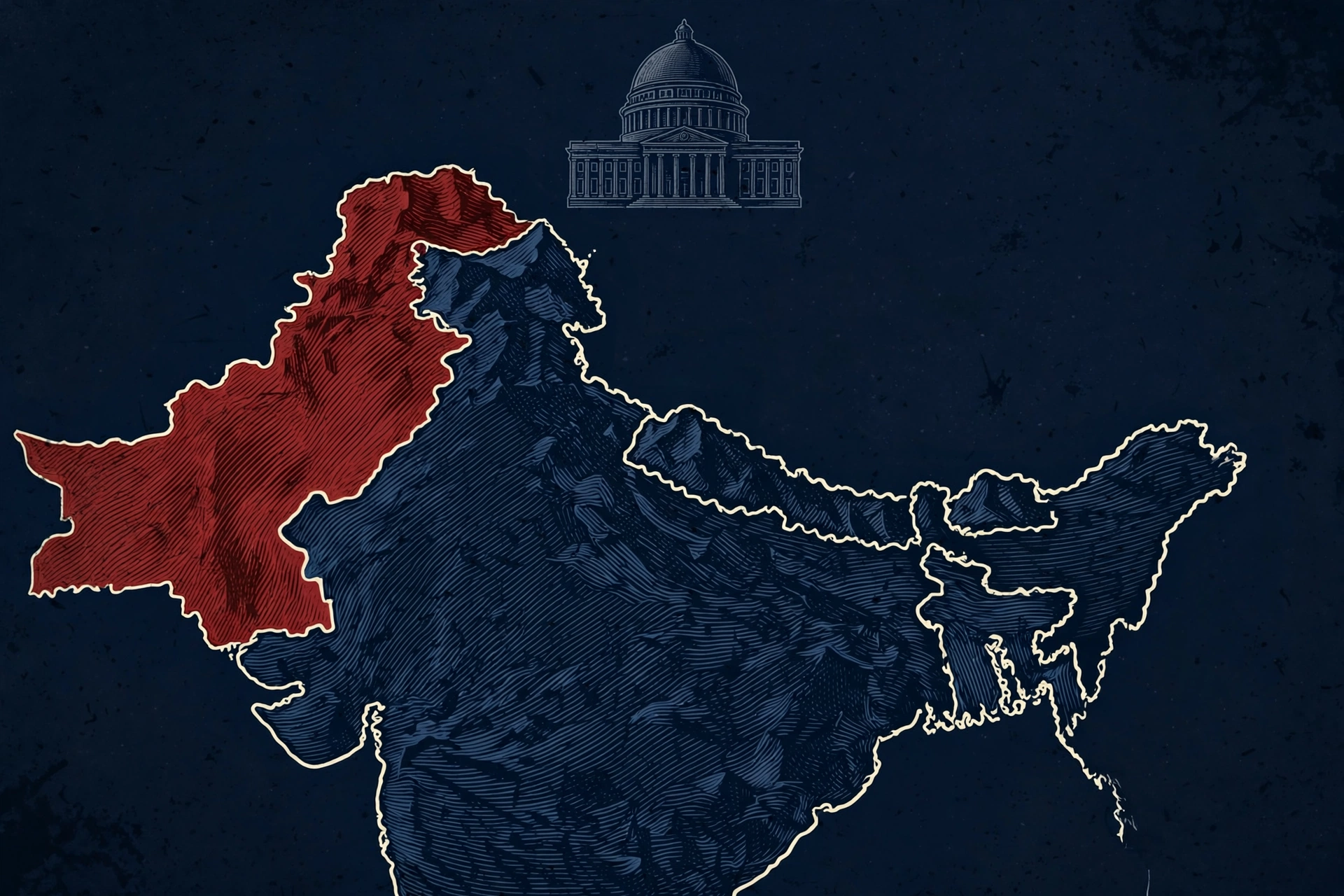
ISLAMABAD — Both houses of Pakistan’s Parliament on Wednesday adopted separate resolutions approving the proclamation of emergency issued by President Asif Ali Zardari in Khyber Pakhtunkhwa on October 11, approving the Article 232 emergency proclamation. Governor’s rule, imposed separately under Article 234, is subject to a different parliamentary procedure involving a joint sitting; Wednesday’s resolutions should not be described as joint-sitting approval of governor’s rule.
The resolution in the National Assembly was moved by Minister for Parliamentary Affairs Tariq Fazal Chaudhry. It approved “the Proclamation of Emergency issued by the President on the 11th October, 2026 in the Province of Khyber Pakhtunkhwa under second proviso of clause (1) of Article 232 of the Constitution of the Islamic Republic of Pakistan,” according to a post on the assembly’s official X account.
Why the government says it acted
Taking the floor in the National Assembly, Law Minister Azam Nazeer Tarar said presenting the emergency proclamation before the House and obtaining its approval is a constitutional requirement. Tarar said the decision was necessitated by internal disturbances in the province and the provincial government’s lack of seriousness in dealing with terrorism.
Tarar told the House that 3,787 terrorist incidents have been recorded in Khyber Pakhtunkhwa over the past year.
The federal cabinet, chaired by Prime Minister Shehbaz Sharif, had recommended the measures on Sunday, citing what the government described as the provincial government’s “deliberate disengagement” from the fight against terrorism. The emergency was proclaimed under Article 232 of the Constitution, while governor’s rule was imposed under Article 234.
Governor Faisal Karim Kundi of the Pakistan Peoples Party has taken charge of the province with the help of an 11-member advisory council. The chief minister, provincial cabinet ministers and other office-holders have ceased to exercise their previous functions, and Parliament has assumed the legislative powers of the Khyber Pakhtunkhwa provincial assembly. The Interior Ministry has also, through an order under Article 245 of the Constitution, authorized the deployment of Pakistan Army troops in aid of civil power in the province for the duration of the emergency.
What happens next
Wednesday’s votes met the first constitutional deadline: because the president proclaimed the emergency without a resolution from the Khyber Pakhtunkhwa assembly, the second proviso to Article 232(1) required both houses of Parliament to approve it separately within 10 days, by October 21. A further step remains for both measures. Under Article 232(7), the emergency proclamation must also be laid before a joint sitting of Parliament; it lapses after two months unless the joint sitting approves it. Governor’s rule under Article 234 follows the same joint-sitting route: it expires after two months unless approved there, and may be extended in steps of up to two months at a time, to a maximum of six months in total. The president has summoned a joint sitting for Thursday, October 15.
PTI response and criticism
Imran Khan’s Pakistan Tehreek-e-Insaf (PTI), which led the ousted provincial government, has vowed to challenge the measures in court and Parliament. PTI chairman Barrister Gohar Ali Khan filed a petition in the Peshawar High Court on Wednesday asking the court to declare the October 11 proclamation unconstitutional; an earlier petition challenging both measures was filed on Monday. No hearing date or interim order has been reported.
The International Human Rights Foundation condemned the emergency and governor’s rule in a statement on Tuesday, describing the move as a “military-backed power grab” and demanding the restoration of democratic rights. The foundation said former provincial chief minister Sohail Afridi was among those detained, and called for the emergency order to be rolled back and detained political leaders released.
Opposition lawmakers criticized the decision during Wednesday’s session, questioning its constitutional basis and its impact on provincial autonomy. The situation remains developing.
Sources: WE News English; The Business Standard (TBS News); Geo News.