LAHORE — Cooking-gas prices remain near record levels across Pakistan more than a week after the closure of two border crossings with Iran halted some 7,000 tonnes a day of liquefied petroleum gas (LPG) imports, and a partial reopening of the border over the weekend has yet to bring relief at retail outlets.
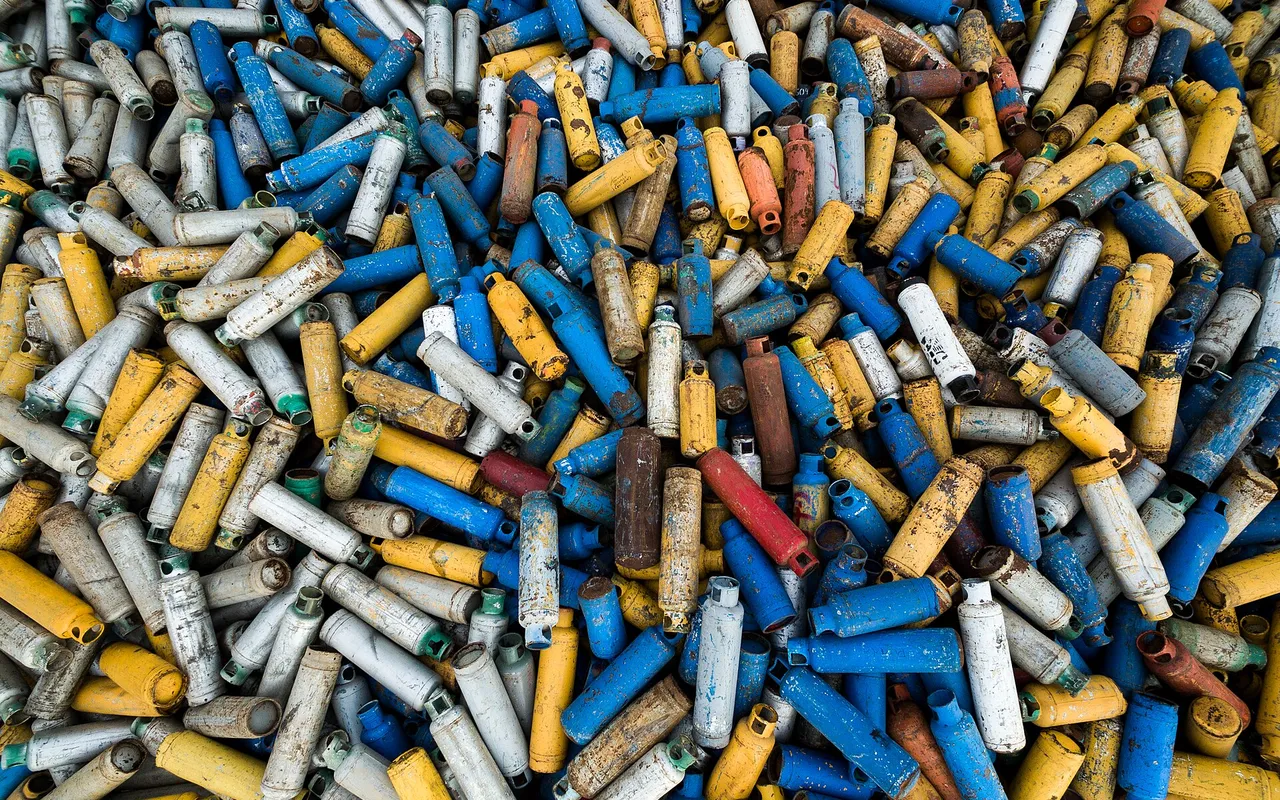
LPG — a propane-butane fuel sold in cylinders and used for cooking and heating by households and businesses that piped natural gas does not reach — is a lifeline fuel in much of Pakistan. The country imports nearly 70 percent of the LPG it consumes, according to the Oil and Gas Regulatory Authority (OGRA), and Petroleum Minister Ali Pervaiz Malik told the National Assembly on Monday that 50 to 60 percent of demand is met from Iran, with most of the rest coming from Qatar by sea — a supply that has itself been suspended because of the war.
The Gabd-Rimdan and Taftan crossings were closed on October 17. The Balochistan government said the temporary closure was intended to address security concerns and curb smuggling, while Iran’s foreign ministry cited technical issues. Iran’s ambassador to Pakistan, Reza Amiri Moghadam, has since said Tehran imposed no restrictions on exports, including LPG, and blamed changes in Pakistan’s E-Form import procedures for the dispatch problems; he said consultations with the Pakistani side were under way.
Pakistan imports about 7,000 metric tons of LPG a day from Iran, according to the Pakistan LPG Association, and more than 4,000 tons a day normally enters through Gabd-Rimdan alone, said Shamsul Haq, a former president of the Gwadar Chamber of Commerce and Industry. “These imports are at halt,” Haq told Reuters last week.
The stoppage hit prices within days. Traders said the price of a standard 12-kg cylinder rose to 7,000 rupees (about $25) from 4,500 rupees, and warned it could climb further. Against OGRA’s notified price of Rs279.34 per kilogram for October, market rates reached Rs550 to Rs600 per kilogram in many cities, about Rs600 in Peshawar and as high as Rs750 in parts of northern Khyber Pakhtunkhwa, where some cylinders crossed Rs10,000.
Hundreds of trucks, including LPG tankers, were stranded on both sides of the border, along with more than 1,000 Pakistani containers carrying potatoes, bananas and rice for Iran. “We have been standing here for over a week waiting for the border to open,” said Abdul Ghani Baloch, one of the stranded drivers, describing days spent waiting in harsh conditions with limited access to basic amenities. The Quetta Chamber of Commerce and Industry advised its members to stop placing new orders with Iran until further notice.
The Gabd-Rimdan crossing partially reopened on October 24–25 for consignments dated October 16 or earlier. LPG importer Shaukat Isa Zai said about 400 LPG containers had entered through Taftan and 1,300 through Gabd in two days, Geo News reported on Monday, and two LPG vessels carrying about 603 tonnes, sourced from Oman, arrived in Karachi. Traders said wholesale and retail rates could fall if the flow continued.
So far, they have not. On Tuesday, LPG was still selling at about Rs600 per kilogram in Lahore, Rawalpindi and Islamabad, Rs570 in Peshawar and Rs530 in Karachi and Quetta, according to market reports. Ali Haider, senior vice chairman of the LPG Distributors Association, said supplies had resumed through incoming vessels and the border, but a shortage of transport vehicles was hampering distribution across the country.
The National Assembly took up the price surge in a calling-attention notice on Monday. Malik acknowledged that the government has no settled pricing policy for imported LPG — the domestic price is linked to Saudi Aramco’s contract price, which has risen to $705 a tonne — and said a policy would be announced soon, along with action with OGRA and provincial authorities against artificial shortages and overcharging. He said the government was examining alternative sea routes and imports from Oman and Saudi Arabia, and preparing a relief policy to protect vulnerable households. An OGRA spokesperson had earlier acknowledged that the Taftan closure created supply challenges and said efforts were under way to stabilise the market.
The LPG squeeze is compounding a wider energy shortage: with about 900 mmcfd of Qatari pipeline gas suspended under QatarEnergy’s force majeure, more households are being pushed toward cylinder gas just as its supply has been cut. Read Zark News’ companion report: Qatar’s LNG Force Majeure Deepens Pakistan’s Winter Gas Crisis. Traders warn that if border flows do not fully normalise before peak winter demand, prices could rise again.