ISLAMABAD — Pakistan on Monday strongly condemned Houthi ballistic missile attacks targeting Saudi Arabia’s Makkah and Madinah regions, as Saudi air defences fought off a third straight day of missile and drone fire and the Saudi-led coalition struck missile facilities inside Yemen.
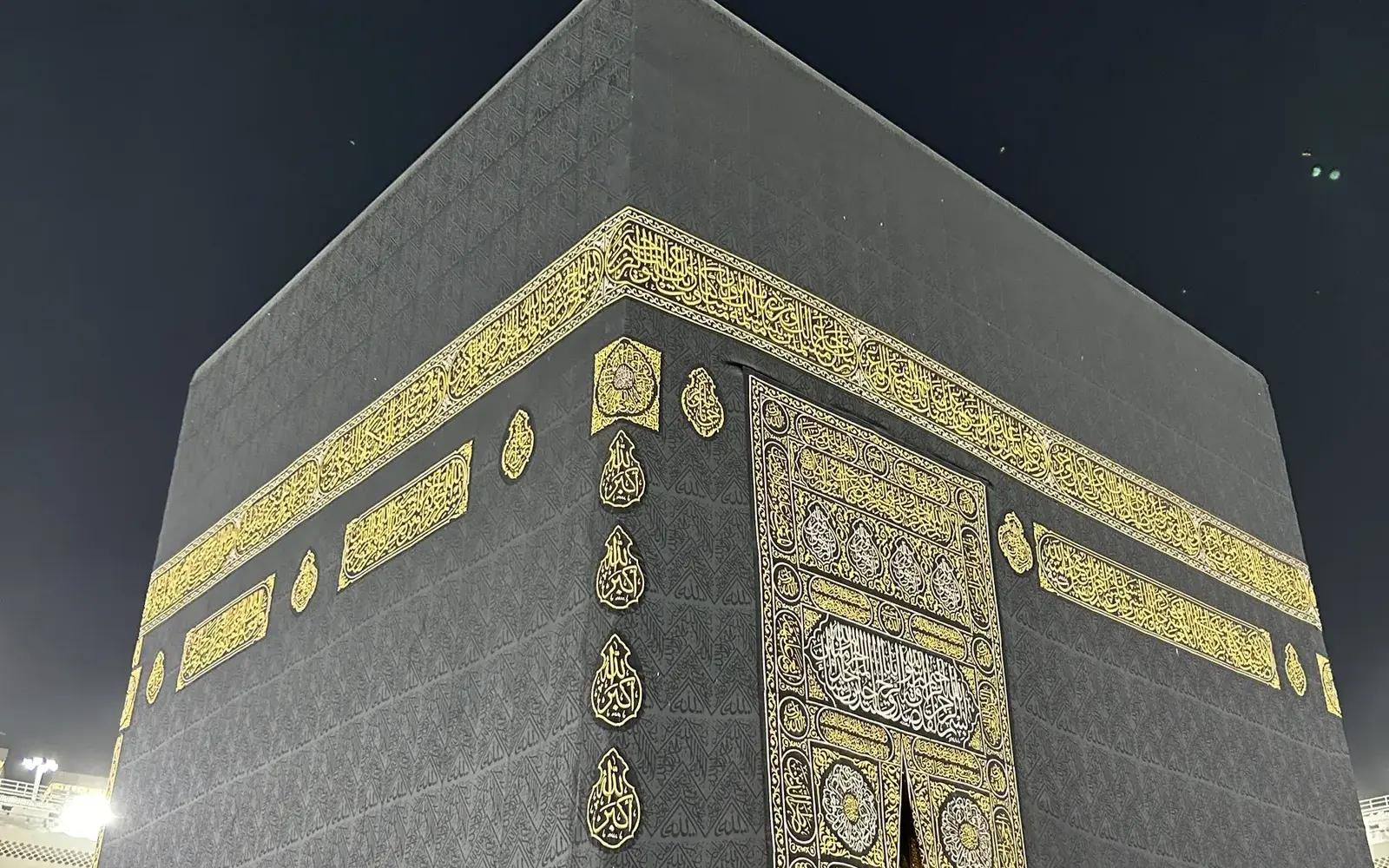
“Pakistan strongly condemns the Houthi ballistic missile attacks of 24 October 2026 targeting the Makkah and Madinah regions of the Kingdom of Saudi Arabia, including areas in the vicinity of the Holy Sites,” the Foreign Office said in a statement carried by Pakistani media. The statement described the attacks as reprehensible, a grave violation of Saudi Arabia’s sovereignty and territorial integrity, and a blatant disregard for the sanctity of Islam’s holiest sites and the safety of civilians. Pakistan, it said, “reiterates its unwavering solidarity with the Kingdom of Saudi Arabia and its firm commitment to the Makkah Alliance,” and it commended “the vigilance and efficiency of Saudi air defense forces in countering the attacks.”
Saudi Arabia said its defences intercepted two ballistic missiles aimed at the Makkah and Madinah regions on Saturday, with debris from the interceptions falling at Wadi Al-Mughammas in Makkah province and in Jeddah, Taif and Rabigh. The secretary-general of the Gulf Cooperation Council, Jasem Mohamed AlBudaiwi, said the attacks represented “a grave violation of the sanctity of the Holy Sites and a provocation to the sentiments of Muslims worldwide.” The Houthis denied targeting Makkah and Madinah, calling the Saudi allegation a “huge lie” and saying their operations were directed at Saudi oil facilities and military installations.
The barrage widened on Sunday. According to Reuters, the Saudi-led coalition said two drones and a ballistic missile were launched toward Riyadh and a cruise missile toward the southern city of Khamis Mushait, and that it later intercepted ten ballistic missiles fired toward southern Saudi Arabia. Saudi Civil Defence said debris from intercepted missiles fell in residential areas in the south, injuring two people and damaging three residential buildings and seven vehicles. Early on Monday, coalition spokesman Maj. Gen. Turki al-Maliki said air defences had intercepted and destroyed another ballistic missile fired toward Riyadh before dawn.
The coalition answered with the heaviest strike package it has announced in the current round. Al-Maliki said on Monday that coalition forces had destroyed five ballistic missile storage tunnels, four ballistic missile launchers and another storage facility in Houthi-controlled territory, and had also hit supply routes, frontline fortifications and military equipment. One of the launchers destroyed in Sanaa had been used to fire the missile directed at Riyadh, he said. Explosions were reported in Sanaa and along Yemen’s Red Sea coast; residents reported damage to homes and a residential building, and Houthi media reported strikes in several provinces. Those accounts could not be independently verified.
The Houthis said on Monday that they had attacked pumping stations on Saudi Arabia’s East-West oil pipeline and Riyadh’s King Khalid International Airport, according to Reuters; there was no immediate Saudi confirmation. Houthi military spokesman Yahya Saree has warned airlines, staff and travellers that the airport remains a “military target.” The airport resumed operations at two terminals on Sunday after an attack earlier this month, claimed by the Houthis, that killed 13 people and wounded more than 300 — the deadliest in the kingdom in more than a decade, according to Reuters.
For Pakistan, the condemnation carries commitments beyond words. The Foreign Office statement reaffirmed Pakistan’s “steadfast support for the security, stability and defence of the Kingdom, including the protection of the Two Holy Mosques, against any external aggression or threat,” and cited the Makkah Alliance — the mutual defence pact Pakistan’s parliament approved last week, under which an attack on one member is treated as an attack on all. On the same day, Pakistan’s army chief, Field Marshal Asim Munir, was in Tehran with his Saudi and Turkish counterparts for de-escalation talks with Iran, the Houthis’ principal backer — a measure of how quickly this conflict is testing the new pact from both directions at once.