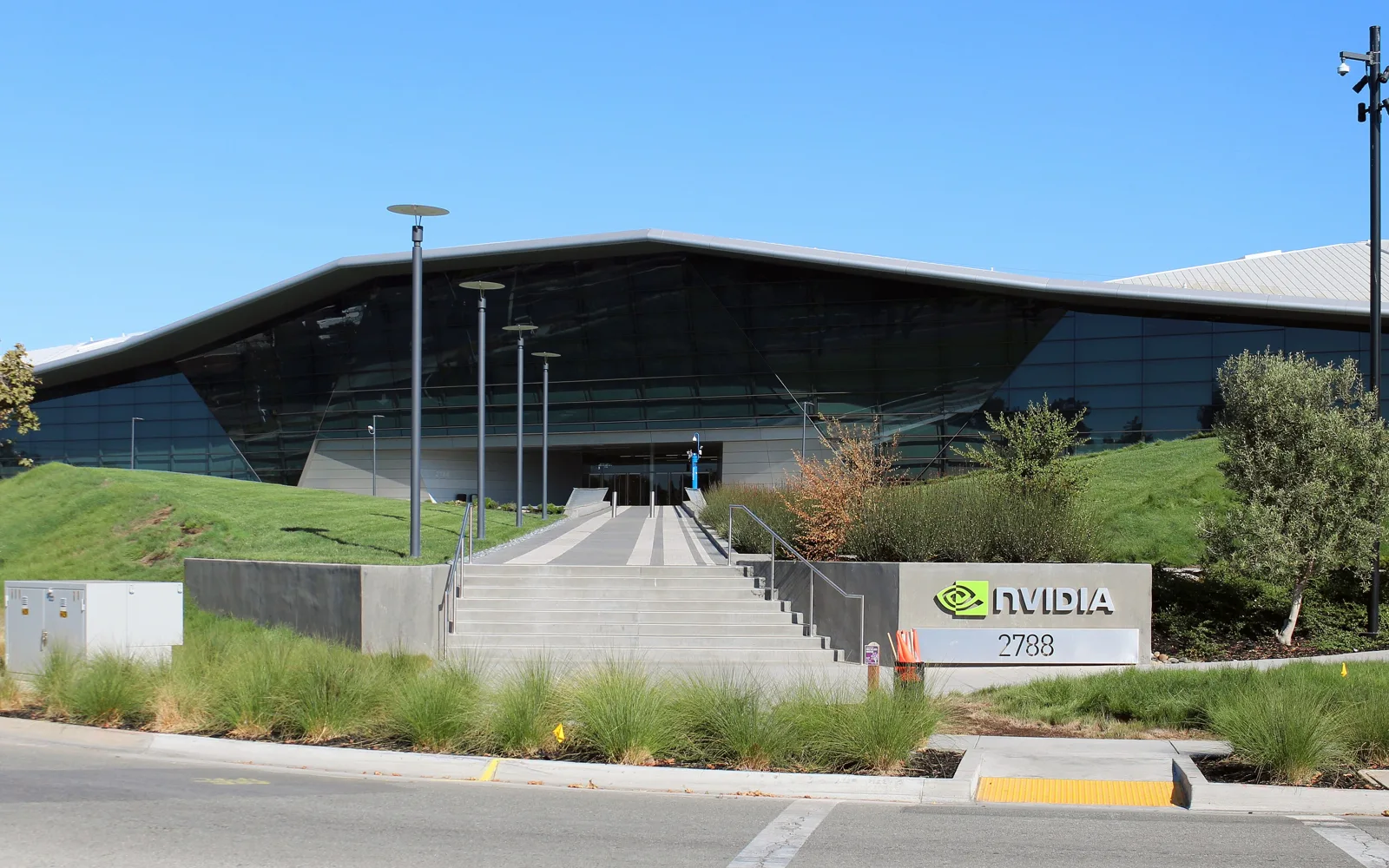
SANTA CLARA, California — Nvidia’s board of directors said on Sunday that it has opened an independent investigation after reports that founder and chief executive Jensen Huang was the target of a foreign intelligence effort, according to statements published by the company.
The board said a committee of independent directors, helped by outside lawyers, will run the inquiry. It said it had no reason to believe that United States national security or Nvidia’s confidential information had been compromised, and that Huang fully supports the review and has agreed to cooperate. Huang will keep running the company while the investigation goes on, Nvidia said.
The announcement came on the same day Huang wrote to staff. In the letter, which the company made public, he told employees he had been unfaithful to his wife and apologised, according to CNBC and other outlets that published the text. The board statement and the letter did not name the other person.
The reporting behind the investigation began with The New York Times. In late October the newspaper reported that United States intelligence agencies believed Alice Huang, an executive at the Singapore based company Megaspeed and no relation to the chief executive, had been recruited by China’s Ministry of State Security, and that she had a close relationship with Jensen Huang. Megaspeed has bought large amounts of Nvidia’s advanced chips, according to the reports, raising questions in Washington about whether hardware restricted for export could reach Chinese users through third parties. A spokesperson for the Chinese Embassy in Washington dismissed the allegations in late October as “groundless smears and slanders,” and no one has been charged. An Nvidia spokesperson previously told The Hill that the allegations had been “thoroughly investigated and debunked last year.”
Nvidia sits at the centre of the global artificial intelligence build out. Its graphics processors train and run the leading AI systems, and the company is worth about 4.5 trillion dollars, which makes any question about its chief executive a market and national security story at the same time. Export controls on its most advanced chips are a central tool of United States policy toward China, so even an unverified claim of an intelligence approach carries weight.
Congress is moving in parallel. Three Republican House committee chairs, Brian Mast of Foreign Affairs, John Moolenaar of the Select Committee on China and Eric Crawford of Intelligence, asked Huang in a November 4 letter to give a closed door briefing on November 18, according to Reuters. Nvidia is due to report its latest earnings on November 17, one day before the requested briefing.
What happens next depends on what the board’s inquiry finds. The committee has announced no timetable and no terms beyond examining the reporting. If it clears Huang, the company will still face the congressional briefing and close questions about its sales channels in Asia. If it finds that company information or export rules were put at risk, the consequences could reach the top of the world’s most valuable chipmaker. For now, every central claim in the case, the intelligence allegation, the relationship and any transfer of information, remains under examination rather than established.