ABUJA, Nigeria — Nigeria has confirmed one imported case of Ebola Bundibugyo virus disease in the Federal Capital Territory, the World Health Organization said on Wednesday, and health officials are monitoring 44 contacts of the patient as they work to trace anyone else who may have been exposed.
The patient, a woman with a recent travel history to Uganda, developed symptoms on October 7 and sought care at a private health facility in Abuja on October 11, according to the Federal Ministry of Health and Social Welfare. A laboratory test confirmed the Bundibugyo species of Ebola virus on October 20. She is in isolation and receiving medical care.
The confirmation, announced by the Coordinating Minister of Health and Social Welfare, Prof. Muhammad Ali Pate, makes Nigeria the fifth country to detect the virus since an outbreak was declared in the Democratic Republic of the Congo on May 15, according to the WHO Regional Office for Africa. It is Nigeria’s first Ebola case since the 2014 outbreak, which was contained at 20 cases and eight deaths.
What officials say happened
According to the NCDC’s incident manager, Dr. Odianosen Ehiakhamen, the woman arrived in Nigeria on October 5, fell ill on October 7, and was treated at the Abuja hospital for several days for malaria-like symptoms before Ebola was suspected, Reuters reported. She was tested on October 19 and the positive result was confirmed the following day.
Contact tracing began immediately. “Contact tracing has been conducted, and it’s under way as we speak, with 44 contacts already identified,” Pate said. The ministry said the contacts include healthcare workers, other patients, caregivers and travel contacts, and the NCDC said most are healthcare workers and support staff at the hospital where the woman was treated, because “everything has happened within the hospital.” Her husband is among those being followed, Reuters reported, and passengers from her flight are also being traced, though officials do not believe she was symptomatic during the flight.
No secondary infections and no deaths have been reported in Nigeria, and officials have reported no evidence of transmission in the community.
The response
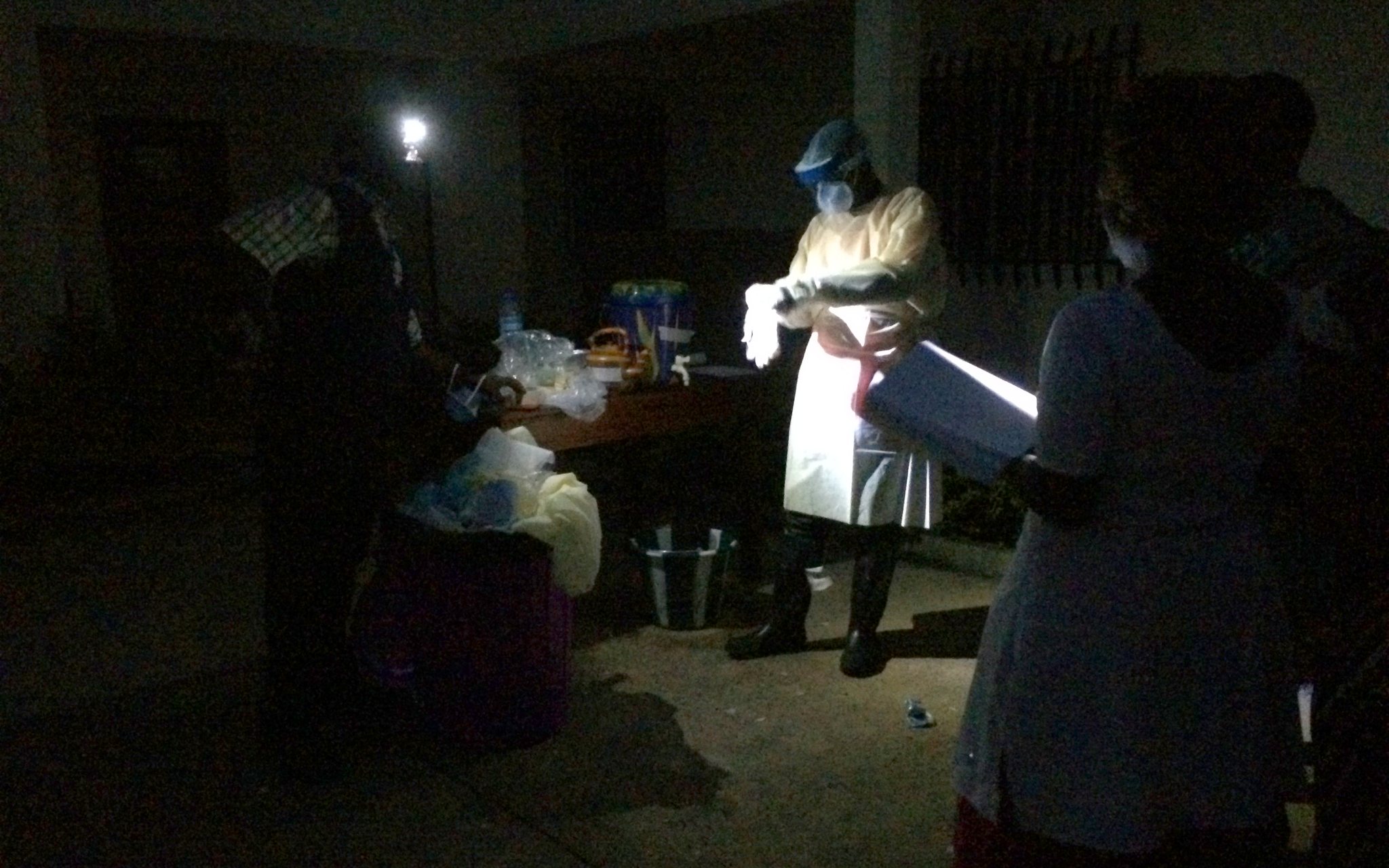
The Nigeria Centre for Disease Control and Prevention has activated its incident management system to coordinate the response, and infection prevention and control measures are being stepped up at the private facility where the patient was treated, the WHO said. The WHO and its partners are supporting case investigation, contact tracing and infection control, including supplies of personal protective equipment for health workers, and surveillance has been intensified at health facilities and points of entry.
“Nigeria successfully contained Ebola in 2014, and we have the experience and public health systems to respond to this case,” Pate said. The ministry advised the public to remain calm but vigilant, to practise hand hygiene and to avoid contact with the body fluids of anyone suspected of infection, and it cautioned against rumours and stigmatisation. The NCDC’s toll-free line, 6232, operates around the clock.
Where the infection came from is still open
Investigations are continuing to establish where the woman was infected. Nigerian officials describe a recent travel history to Uganda. Uganda’s health ministry, however, said late on Tuesday that the patient had travelled to eastern Democratic Republic of the Congo for business and transited Uganda in early October without symptoms. “Travel through Uganda does not establish that infection occurred here,” the ministry said, adding that the location of exposure remains under investigation and that Uganda has no confirmed active Ebola cases.
Regional context
The Abuja case belongs to the Bundibugyo outbreak declared in the Democratic Republic of the Congo in May, which has since spread across borders — Zark News reported last week that Kenya had confirmed linked cases, including among health workers. The WHO advises against travel or trade restrictions and urges countries in the region to sustain a high level of readiness while the Congo outbreak continues.
What happens next
The 44 identified contacts will remain under monitoring for symptoms, and tracing teams are still working to find anyone else who may have been exposed — at the hospital, among caregivers, and from the patient’s journey. The coming days will show whether the case remains an isolated importation, as officials currently assess it, or produces secondary infections that would widen the response.
Sources: WHO Regional Office for Africa; Reuters; Federal Ministry of Health and Social Welfare statement, October 20, 2026.