
Updated: September 29, 2026, 1:35 a.m. Eastern
U.S. and Iranian officials separately spoke with mediators on Monday, September 28, Reuters reported, citing officials from both countries. Trump confirmed U.S. contacts without giving details. Iranian Foreign Minister Abbas Araghchi said Tehran expected a response to its proposals, according to state news agency IRNA as reported by Reuters.
The contacts advance the story from anticipated talks to reported discussions, but do not establish that a settlement has been reached. Reuters said further negotiations were expected to address a revised version of Iran’s seven-day proposal, citing an official briefed on the talks.
Background: Sunday’s positions
WASHINGTON/TEHRAN — President Donald Trump said Sunday he expects further talks with Iran this week despite rejecting Tehran’s proposal to reopen the Strait of Hormuz and advance negotiations within seven days, while Iranian Foreign Minister Abbas Araghchi said Iran remains open to diplomacy.
Trump publicly rejected Iran’s latest proposal on Saturday. Reuters reported that Tehran had proposed reopening the strategic waterway within seven days if Washington met Iranian conditions, including easing military pressure and economic restrictions.
On Sunday, Trump told Axios that he expects another round of talks during the coming week. Axios reported, citing a U.S. official and regional sources, that Qatari mediators have continued carrying messages and discussing possible changes with both sides. The report said mediators could meet separately with Araghchi and U.S. envoy Steve Witkoff as early as Monday.
No agreement has been announced, and continued contacts do not mean the two governments have resolved their differences.
Iran says it remains open to diplomacy
Araghchi told NBC’s Meet the Press that Iran remains ready for negotiations and said Tehran was still waiting for an official U.S. response through mediators despite Trump’s public rejection.
Iran has maintained that reopening the Strait of Hormuz depends on its conditions being met. Araghchi has also said Iran is prepared to respond if military attacks resume, underscoring that the diplomatic contacts are taking place while the risk of renewed escalation remains.
What remains unresolved
The two sides remain divided over the terms of a broader settlement. Iran has sought relief from U.S. economic and military pressure as part of its proposal, while Washington has pressed for concessions on Iran’s nuclear program.
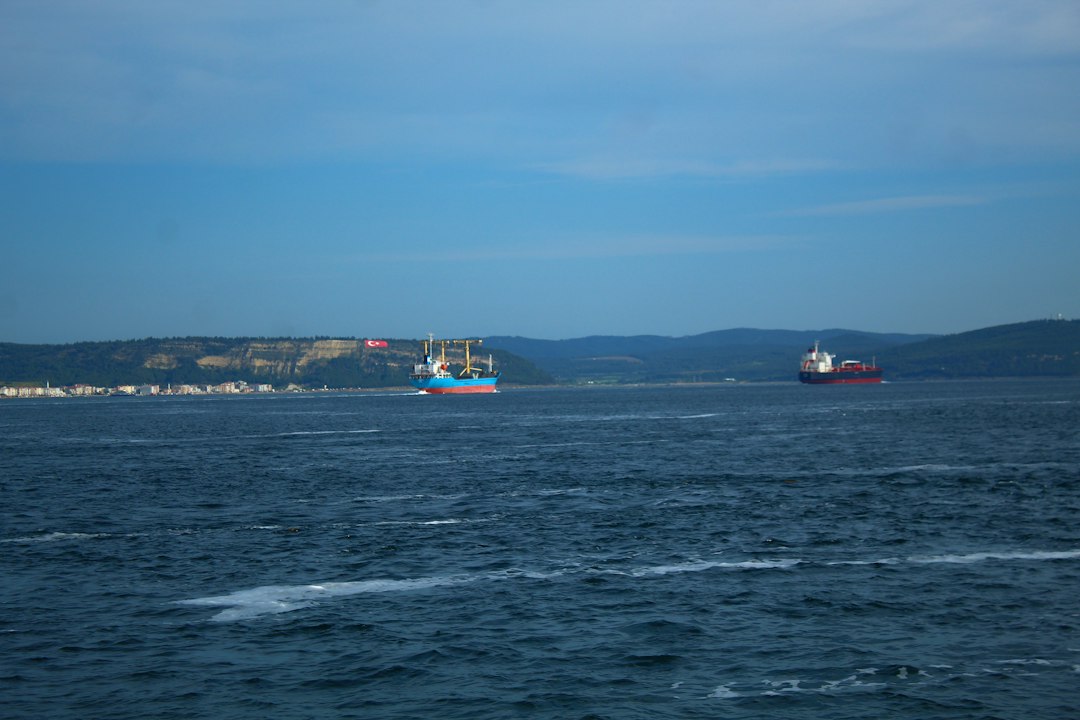
The Strait of Hormuz remains central to the dispute because of its importance to global energy shipments. Any durable agreement would require terms acceptable to both sides and evidence that commercial shipping can move safely through the waterway.
What happens next
The next test is whether the separate contacts produce agreed terms or a substantive change in either side’s position. Monday’s reported discussions do not, by themselves, demonstrate progress on reopening the strait or resolving the nuclear dispute.