
The Federal Aviation Administration says the first phase of its air traffic control modernization will cost about $16 billion, exceeding the $12.5 billion Congress provided and increasing pressure for additional funding.
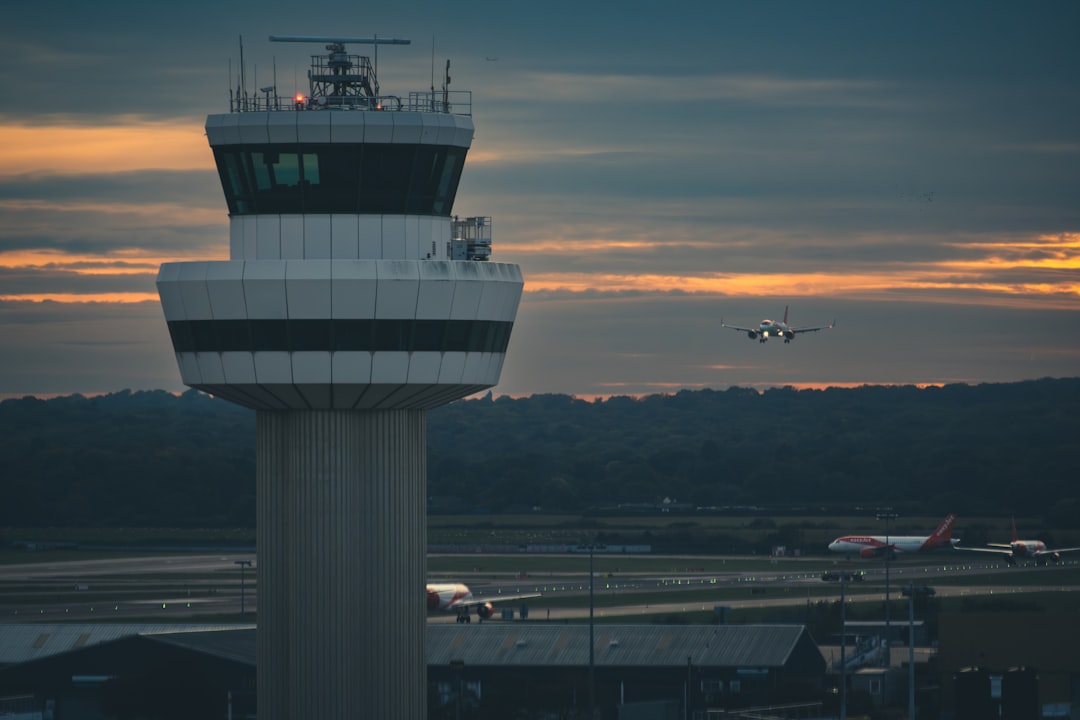
Featured image: An airport air traffic control tower. Photo: Johannes Heel/Unsplash. Stock photograph.
FAA Administrator Bryan Bedford told lawmakers Tuesday that the agency is covering part of the gap with money from its facilities and equipment budget. He said a second phase would require about $10 billion more.
The modernization program is intended to replace aging communications equipment, upgrade facilities and improve the reliability and capacity of the national airspace system. Airlines and controllers have long warned that obsolete technology and staffing shortages can amplify delays and create operational risk.
Costs and scope have grown
A Government Accountability Office review said the initiative encompasses more than 11,000 projects. The agency initially estimated the work at about $10.6 billion, but projected costs have continued to rise as plans become more detailed.
Telecommunications upgrades alone are now estimated at roughly $5.9 billion, according to the review, up from an earlier estimate of $4.75 billion. The FAA plans to replace remaining copper-wire connections by September 2027.
Congress provided $12.5 billion for the new modernization initiative, including funding for technology and facility construction. GAO said the FAA still needs a comprehensive schedule that connects the thousands of individual projects to an overall delivery plan.
Why travelers should care
Air traffic control is an infrastructure system that passengers rarely see but depend on for safe and efficient flights. Communication links connect controllers, pilots, radar facilities and airports. Outages or capacity constraints can force traffic restrictions and spread delays across the country.
Modern hardware alone will not solve every aviation problem. Staffing, training, airport capacity, airline scheduling and severe weather all affect performance. A successful overhaul therefore depends on integrating technology investments with workforce and operational planning.
Congress faces a funding decision
Lawmakers will have to decide whether to provide more money, change the scope or demand stronger cost and schedule controls. Additional appropriations could speed replacement of vulnerable systems, but a growing price tag will invite scrutiny over oversight and execution.
The most important near-term benchmarks are a credible master schedule, transparent reporting of cost changes and proof that completed projects reduce outages or improve capacity. Without those measures, a large appropriation does not by itself guarantee a modernized system.
Sources
This report is based on the Federal Aviation Administration, a Government Accountability Office review released in connection with the modernization effort, and independent reporting from Reuters.