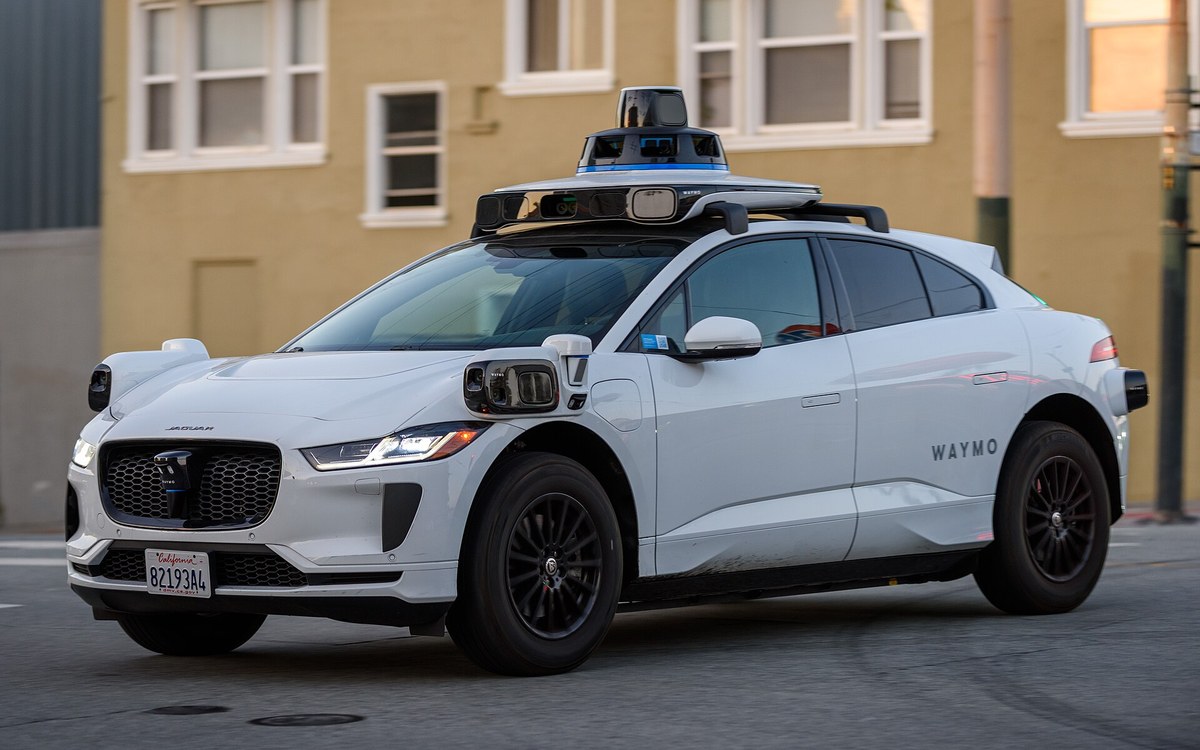
WASHINGTON — If you drive for Uber or Lyft in the District, or you ride with them, a bill stuck in a D.C. Council committee could change your work and your rides. The bill would let Waymo and other companies carry paying passengers in cars with no one behind the wheel. On Tuesday its author released a rewritten version with new protections for drivers, and three members of his own committee still said they would not vote for it this week. The bill cannot reach the full Council without the committee, and it dies if not passed before the session ends on January 2, 2027.
What happened on Tuesday
Charles Allen, the Ward 6 council member who chairs the Committee on Transportation and the Environment, unveiled the new version of his Autonomous Vehicle Deployment Authorization Amendment Act of 2026.
Three of the five committee members have said they would vote no this week: Zachary Parker of Ward 5, at-large member Elissa Silverman, and Ward 4 member Janeese Lewis George, the mayor-elect. At-large member Christina Henderson would vote yes. That leaves Allen one vote short.
What the rewritten bill would do
District law today allows testing only with a trained person in the vehicle, which is how Waymo has tested in D.C. for about two years. Paying passengers in a fully driverless car are not allowed.
The bill would set up permits run by the District Department of Transportation. Before carrying passengers, a company would need at least 90 days and 75,000 miles of testing in the District with no one in the driver seat. Each company could run no more than 200 driverless cars, and no more than 800 could operate in the District at one time.
Companies would pay a tax of 7.5 cents for every mile their driverless cars travel. Half the money would go to public transit. The rest would be split between training rideshare drivers for new jobs, such as autonomous vehicle technician, and better service for people with disabilities. Companies would have to start adding wheelchair accessible vehicles and report any crash within 12 hours.
The newest piece is about organizing. Rideshare drivers work as independent contractors, who do not have the same right to form a union as employees. The bill would give them, and contractors who repair autonomous vehicles and charging stations, a right under District law to organize and bargain together over pay and conditions.
Why three members say wait
The opponents say their objection is timing, not the technology itself. Lewis George said last month that rushing the bill is irresponsible when so many drivers could lose work. Parker says he supports allowing self-driving cars in D.C., but wants a few more months to work with the incoming mayor, answer concerns from firefighters, who say driverless cars do not always move out of the way for fire trucks, and wait for the new mayor to seat her agency officials, as Silverman also urged.
Labor unions have led the opposition, among them SEIU 32BJ, the App Drivers Union, the Teamsters and the transit workers union. Drivers rallied outside the Wilson Building in October chanting, "Robotaxis don't vote. We vote." Helen Raynor, who drives for Uber and Lyft, told WTOP the work brings in up to $1,000 extra a month for her family. Autumn Weintraub of the App Drivers Union says the bill would devastate thousands of jobs. Uber, a Waymo rival, also urged more time.
Supporters answer that the bill protects drivers rather than replacing them overnight. Allen asks what waiting would change: "If people say, well, let's just wait till next year, for what?"
What Waymo says, and the safety question
Waymo supports the bill. The company, owned by Alphabet, runs driverless service in about 15 cities, including Phoenix, San Francisco and Austin, and has built three District facilities for charging and repairs. It says the service would create hundreds of local jobs. "Bringing autonomous vehicles to the District will create safer roads, high-quality jobs, and a more connected city," spokeswoman Dana Gallagher said Tuesday.
On safety, Waymo says its cars are involved in fewer injury crashes than human drivers over more than 220 million driverless miles. Critics reply that the District has not published its own testing crash data, though federal records show 15 crashes involving self-driving test vehicles in D.C. since 2021, six with minor injuries.
What happens next
Allen hopes to hold a committee vote this week and a full Council vote by the end of the year. Parker and Silverman said Tuesday morning they had not yet read the new version, so their positions could still move. If the bill passes, the first paid driverless rides are still far off, with estimates ranging from the fall of 2027 to early 2028. If it stalls, the debate returns next year, with Lewis George as mayor.
Would you ride in a taxi with no driver, and should the Council settle this now or wait for the new mayor? Tell us what you think.
Reporting note: This story is based on the committee print of Bill B26-0684 dated November 9, 2026, published by the D.C. Council Committee on Transportation and the Environment; reporting by The Washington Sun and City Cast DC on November 10, 2026; the bill as introduced on May 1, 2026; committee testimony on July 13, 2026; and statements from Waymo, Uber, SEIU 32BJ and the App Drivers Union as reported by Bloomberg Law, WTOP, WJLA and The Washington Sun.