Intel shares crashed nearly 29% on Friday, October 30, in the chipmaker’s worst single trading day since July 1974, after a weak holiday-quarter forecast overwhelmed a solid third quarter.
The stock closed at $65.76, down from $92.07 on Thursday, wiping roughly a quarter of Intel’s value in one session. The selloff spilled across the sector: Nvidia, Broadcom, AMD, Arm, Qualcomm and Micron fell between 4% and 12%, Reuters reported.
A good quarter buried by the outlook
Intel reported the third quarter on Thursday after the close, and the numbers beat expectations: revenue rose 21% from a year earlier to $16.5 billion, adjusted earnings came in at 52 cents a share against 40 cents expected, and data center and AI revenue jumped 78% to $7.3 billion, Reuters reported.
The forecast that came with it broke the rally. Intel guided fourth-quarter revenue to $15 billion to $16 billion, below the $17.1 billion analysts expected, per LSEG data, with adjusted earnings of 25 cents a share against 43 cents expected and gross margin falling to 38.0% from 44.1%.
PC slump and a deadly blast
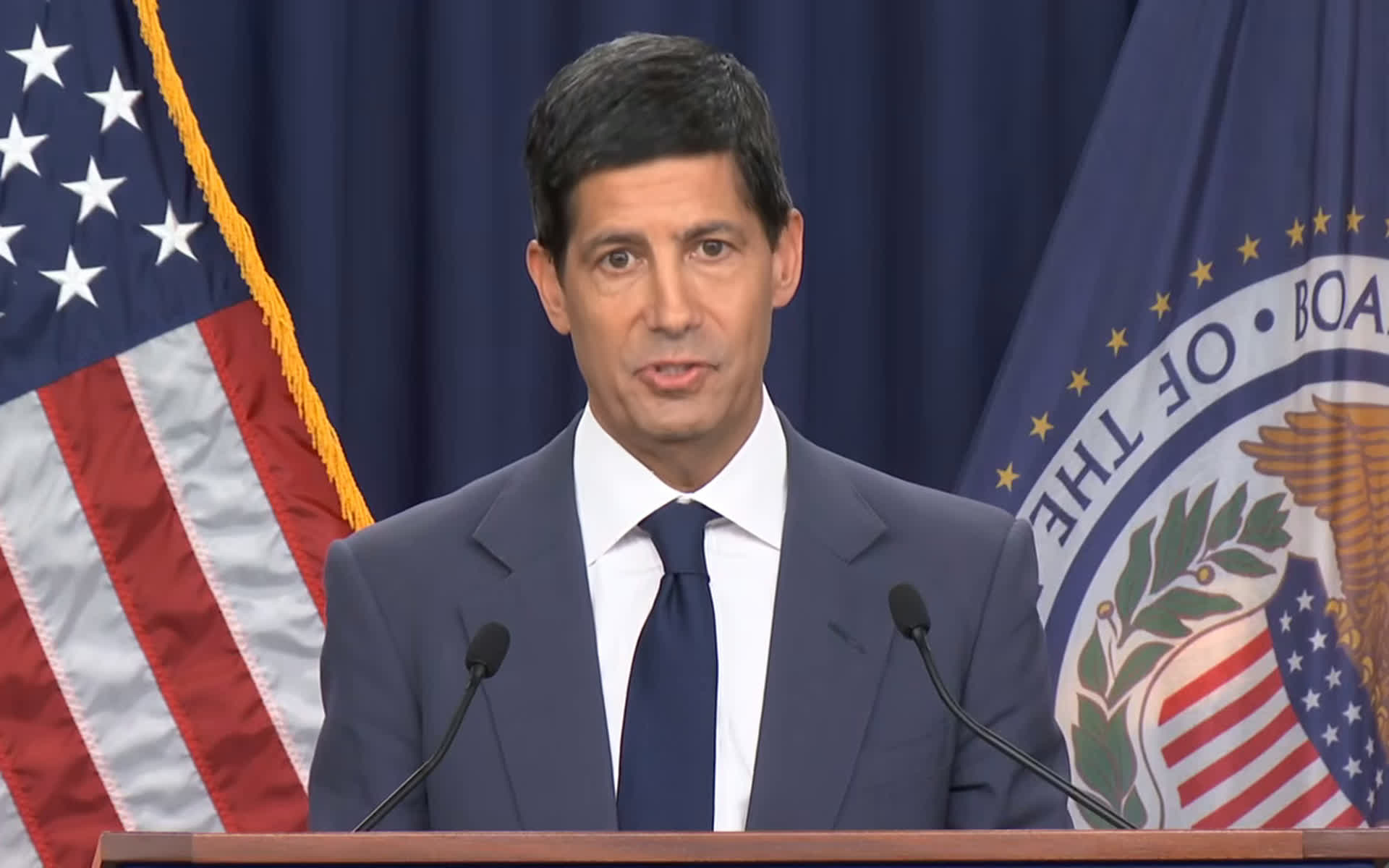
Finance chief David Zinsner blamed a deepening slump in personal computers. “We see the PC slowdown continuing at least through the first half of next year,” he said in the earnings release. Intel’s client computing revenue slipped 5% to $8.1 billion in the quarter, missing estimates.
The outlook also reflects a fatal explosion at Intel’s Kiryat Gat plant in Israel earlier this month that killed two workers and seriously injured a third, CNBC reported. Zinsner said the blast will reduce revenue by about $600 million across two quarters.
Bloomberg estimates cited in market coverage put the one-day paper loss on the U.S. government’s 10% stake in Intel at roughly $12 billion.
What it means for your money
For ordinary investors, the lesson is less about Intel than about the split inside the AI boom: data-center spending is surging while consumers buy fewer PCs as memory prices spike — the same AI cycle lifting one side of Intel’s business and squeezing the other. Bank of America, Bernstein and others cut their ratings on Friday, and coverage of the earnings call reported that Zinsner warned Intel is unlikely to generate positive free cash flow this year.
Sources: Reuters; CNBC; Associated Press.