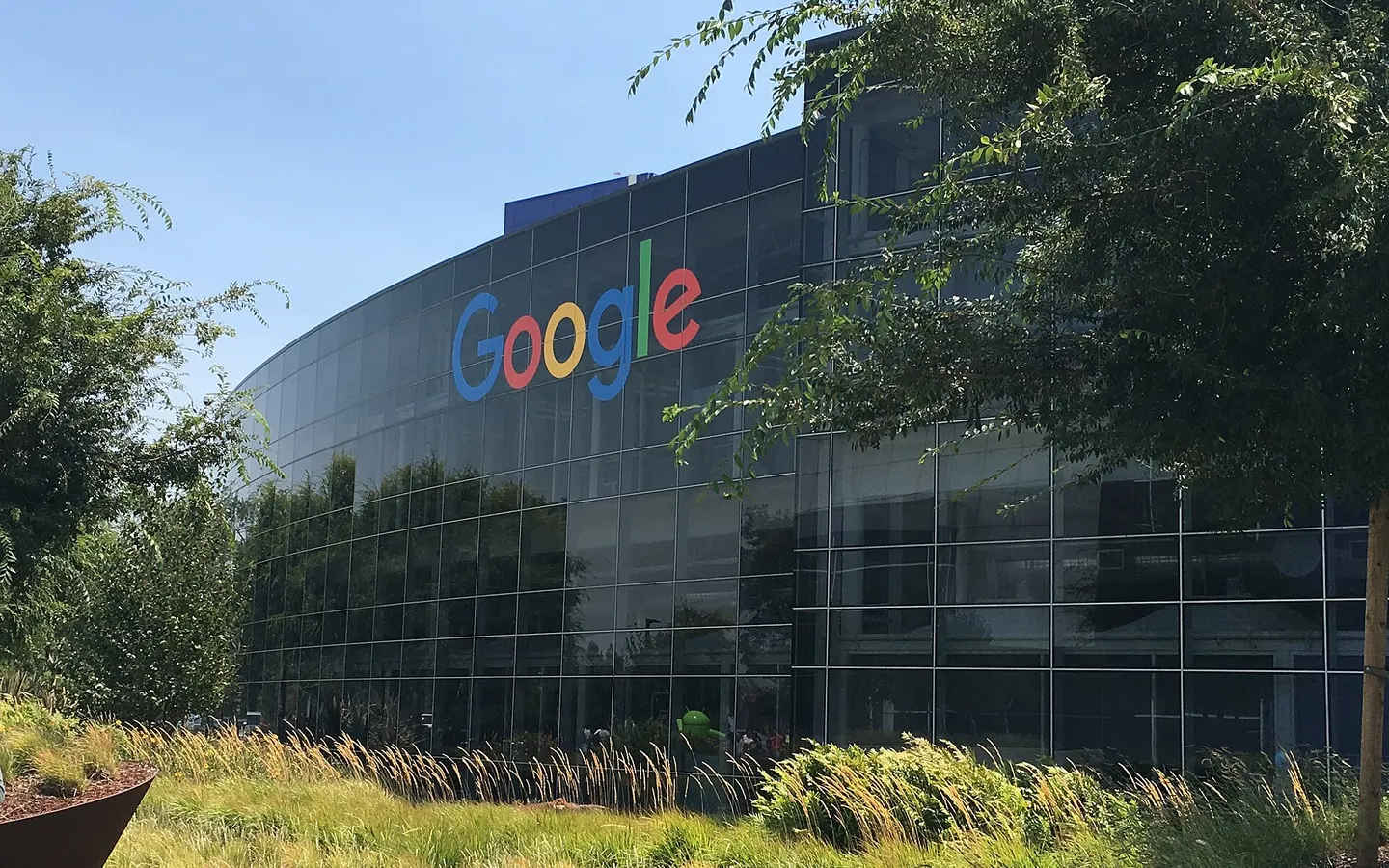
NEW YORK — Alphabet’s shares fell about 10 percent in after-hours trading on Wednesday after the Google parent reported third-quarter results that missed Wall Street expectations and showed its artificial intelligence buildout consuming more cash than the business generated, while Microsoft, reporting the same evening, was rewarded for a cloud business that still produced $18.6 billion in free cash flow, according to Reuters.
Alphabet said revenue rose 25 percent from a year earlier to $127.6 billion, just below the roughly $128 billion analysts expected, and earnings per share came in at $2.12, well short of the $3.02 consensus, according to company results reported by multiple outlets. The earnings figure was dragged down by an $8.7 billion loss on equity investments. Google Cloud was the bright spot: revenue more than doubled to $30.7 billion, with operating income of $11.1 billion, and chief executive Sundar Pichai said the Gemini app has passed one billion users.
The spending is what investors focused on. Capital expenditure reached $51.4 billion in the quarter, up from $24 billion a year earlier, and free cash flow was negative $9.1 billion — the second straight negative quarter, after a $5.9 billion outflow in the previous quarter. Finance chief Anat Ashkenazi kept the full-year 2026 spending forecast at $195 billion to $205 billion and said capital expenditure will increase significantly in 2027. Search advertising growth slowed to 12 percent, and YouTube advertising rose about 9 percent, both below expectations.
Microsoft told the opposite version of the same story. Revenue rose 19 percent to $92.3 billion, Azure cloud revenue grew 48 percent, capital spending came in below its own projection, and free cash flow was $18.6 billion, helping its shares rise about 3 percent after hours, according to Reuters. The split verdict — one company punished, the other rewarded — is becoming the market’s test for the AI buildout: the spending itself is not disqualifying, but investors now want the cash to keep flowing while it happens.
The reaction spread through Asian markets on Thursday, where Nasdaq futures fell more than 1 percent and Samsung Electronics slid 5 percent despite record earnings and a large shareholder-return program, according to Reuters. Suppliers such as Samsung are collecting much of the hyperscalers’ spending even as the spenders’ own valuations wobble. Private credit funds have also become a major, less visible source of AI financing: the OECD estimates AI-related deals made up 34 percent of global private credit transactions in 2025, according to Reuters.
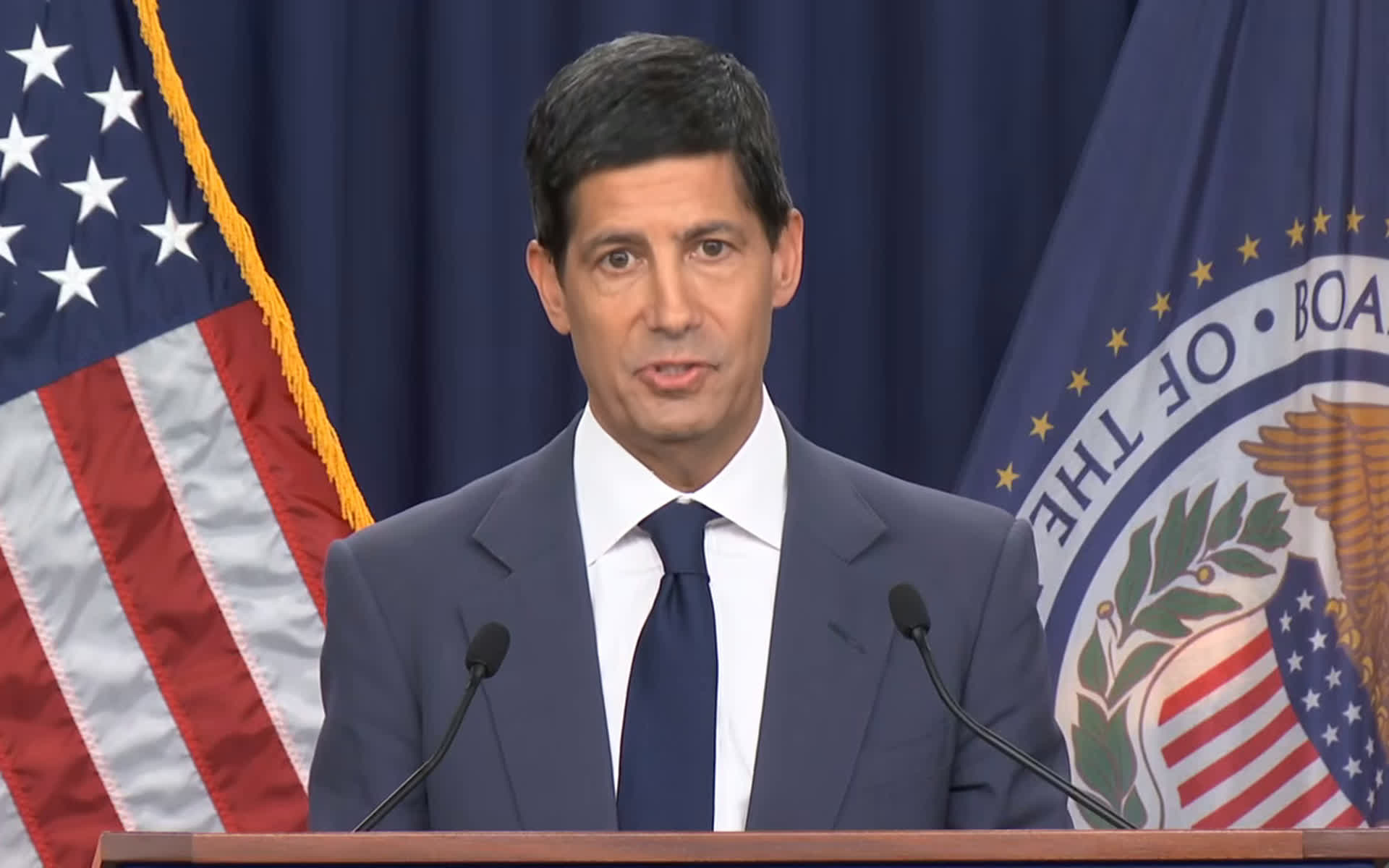
Amazon and Intel report later on Thursday, and their results will test whether the cash-flow standard investors applied to Alphabet and Microsoft on Wednesday holds for the rest of the industry. The Federal Reserve’s decision on Wednesday to hold interest rates steady, with two officials preferring an increase, adds to the pressure: borrowing to fund data centers is not getting cheaper.