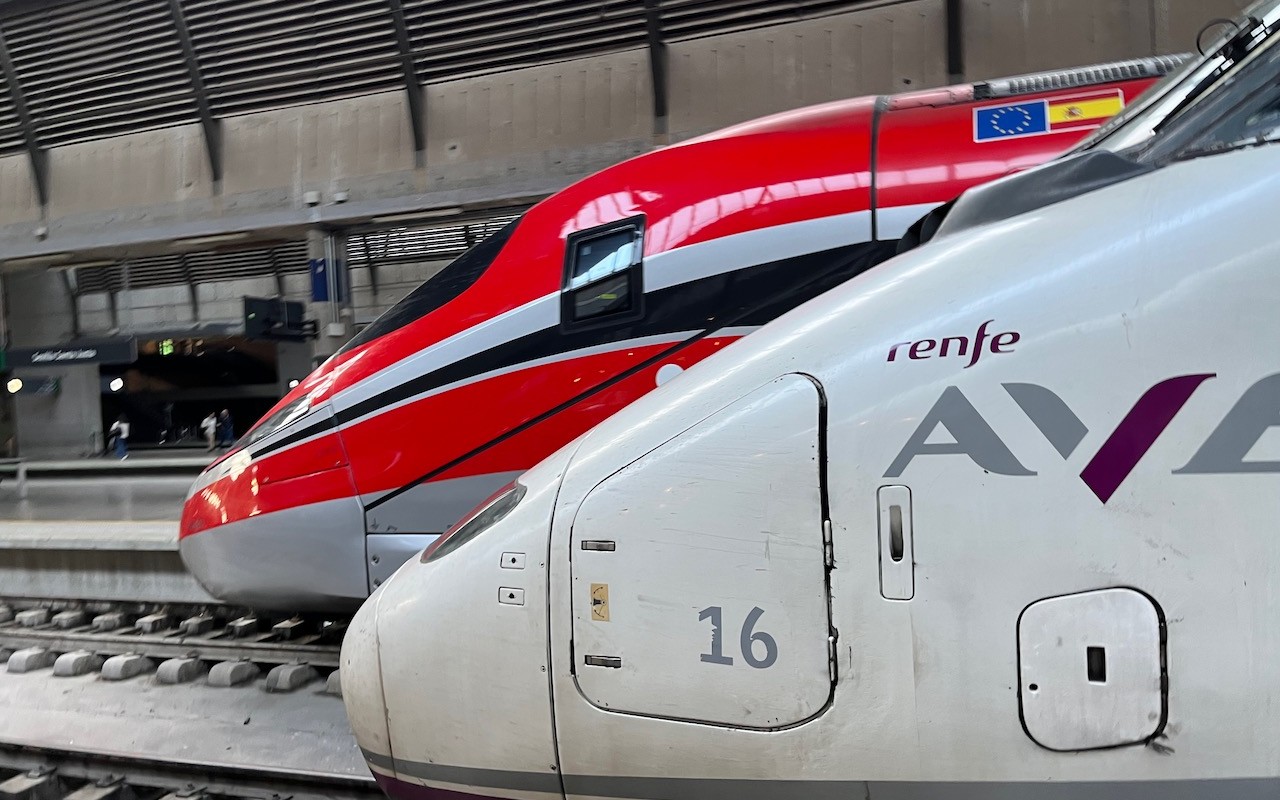
URDA, Spain — At least 68 people were killed, the regional government of Castilla-La Mancha confirmed — 44 of them on the stopped Iryo train and 24 on the Renfe AVE that struck it — and dozens more were injured, 58 of them receiving hospital treatment. Officials warned the toll could still rise as rescuers search the wreckage. Rescue workers were still searching the two most damaged cars hours later. Read Zark News’s original report on the crash.
Why it matters
This is the second deadly high-speed crash in Spain this year, on the same Madrid–Andalusia corridor and involving the same two operators. Until 2026, there had been no fatal crash on Spain’s dedicated high-speed lines since the network opened in 1992, according to Zark News’s reporting. A rear-end collision with a stationary train raises a harder question than a derailment: not only why the first train stopped, but why the train behind it could reach it at speed.
What we know
- The collision: The crash happened Wednesday morning between Urda and Los Yébenes in Toledo province, on the Madrid–Seville line, according to rail infrastructure operator Adif. Both trains were heading from Madrid to Seville, and the Renfe train ran into the tail of the stopped Iryo train, knocking two of its cars off the track.
- The people on board: The Renfe train was carrying 397 passengers and the Iryo train 147, regional spokeswoman Esther Padilla said — 544 people in total.
- The toll: The regional government of Castilla-La Mancha confirmed at least 68 people killed, and Zark News reported another 58 people needed hospital treatment. The toll rose through the day, and officials warned it could rise further.
- Why the Iryo train had stopped: A person briefed on the disaster told Reuters the Iryo train stopped near Toledo on instructions from Adif because of a signal fault. Renfe said its train had been authorised to continue before it crashed into the Iryo train, which had remained stationary “for reasons we don’t know.”
- The response: Service was suspended between Madrid, Ciudad Real and Andalusia. A military emergency brigade joined firefighters, police and paramedics, and medical helicopters worked at the site. Health Minister Mónica García said crews were focusing on the two most damaged cars: “It was a high-speed impact, so we are expecting this to be a tragedy.” Prime Minister Pedro Sánchez cancelled his agenda.
What the transport minister says happened
Transport Minister Óscar Puente said a computer communications failure automatically stopped trains on the line that morning, and that Adif’s control center then authorized the Renfe train to move on despite an active red signal. Under protocol it should have been limited to 40 km/h; instead, Puente said, it was cleared to run at normal speed and hit the Iryo about 25 km later. He called the decision ‘inexplicable’ but said he was setting out established facts, not assigning blame. The Guardia Civil has questioned the controller, and the formal investigation is continuing.
What we still don’t know
- The authorisation: If the Renfe train was authorised to continue, what was it told about the track ahead, and why did safety systems not stop it before the stationary train? Those answers are not yet public.
- The speed at impact: No official figure has been released for how fast the Renfe train was travelling when it struck the Iryo train.
- The final toll and the victims: The death count is still provisional, identities have not been fully released, and injury figures have changed through the day.
- Any link to January: Nothing in the reporting reviewed establishes a shared cause with the January crash near Adamuz. The overlap so far is the corridor, the operators and the year — not a proven common failure.
What’s next
Rescue and recovery come first, along with identifying the dead and treating the injured. Investigators will then have to reconstruct the signal fault, the instructions given to both trains and the authorisation to proceed — the sequence on which responsibility will turn. Expect the Madrid–Andalusia suspension to disrupt travel while the line is examined, and renewed political scrutiny of high-speed maintenance and signalling, already intense after January.
Timeline
- 1992: Spain’s first dedicated high-speed line opens. No fatal crash occurs on the dedicated high-speed network until 2026, according to Zark News’s reporting.
- 2013: A derailment near Santiago de Compostela kills 80 people.
- Jan. 18, 2026: An Iryo train derails near Adamuz, Córdoba province, and collides with an oncoming Renfe train on the same Madrid–Seville corridor. Forty-six people are killed and 292 injured.
- Oct. 28, 2026, morning: An Iryo train bound from Madrid to Seville stops in Toledo province. Reuters, citing a person briefed on the disaster, reports it stopped on Adif’s instructions because of a signal fault.
- Oct. 28, 2026, morning: A Renfe train carrying 397 passengers, which Renfe says had been authorised to continue, strikes the stationary Iryo train at high speed. Carriages derail down an embankment.
- Oct. 28, 2026, later that day: The confirmed toll rises to at least 68 dead. Service between Madrid, Ciudad Real and Andalusia is suspended, a military emergency brigade is deployed, and Prime Minister Sánchez cancels his agenda.
Sources: Zark News reporting; Reuters; Associated Press. Casualty figures are provisional and may change as rescue work continues.