URDA, Spain — At least 68 people were killed on Wednesday morning when one high-speed train slammed into the back of another that had stopped on the tracks in central Spain, shredding carriages and scattering debris down an embankment.
The regional government of Castilla-La Mancha confirmed the toll: 44 of the dead were on the stopped Iryo train and 24 on the Renfe AVE that struck it. Another 58 people were receiving medical treatment in hospital. Rescue workers were still searching the wreckage for survivors and bodies, and officials warned the toll could rise.
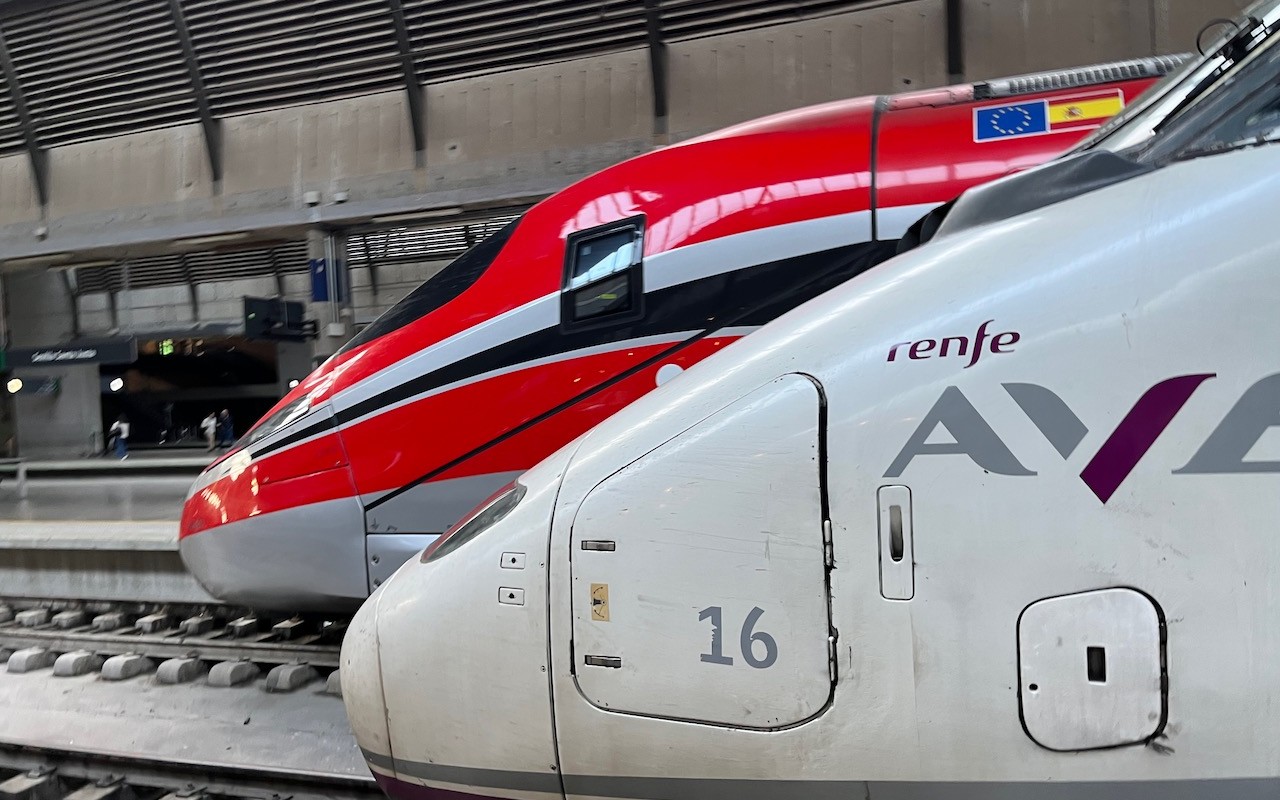
Spain’s rail infrastructure operator, Adif, said the crash happened in the province of Toledo, between the towns of Urda and Los Yébenes, on the Madrid-Seville high-speed line. A train run by the state-owned company Renfe ran into the tail of a stopped train run by the private company Iryo, knocking two of its cars off the track.
The two trains were heading in the same direction, from Madrid to Seville. The Renfe train was carrying 397 passengers and the Iryo train 147, regional spokeswoman Esther Padilla said.
Spanish Health Minister Mónica García said emergency workers were focusing on rescuing survivors and bodies from the two most damaged train cars. “It was a high-speed impact, so we are expecting this to be a tragedy,” she said.
Passenger Ignacio Relaño, who was travelling on the Renfe train, told state broadcaster TVE that the train had stopped momentarily on the line before it started again and then crashed into the Iryo. “We all felt the train abruptly slowing down and then the impact,” he said. “The car leaned to one side like it was about to tip over. I hit my nose, everything went flying, luggage, cell phones. Everything shook.”
What the transport minister says happened
Transport Minister Óscar Puente said a computer communications failure automatically stopped trains on the line that morning, and that Adif’s control center then authorized the Renfe train to move on despite an active red signal. Under protocol it should have been limited to 40 km/h; instead, Puente said, it was cleared to run at normal speed and hit the Iryo about 25 km later. He called the decision ‘inexplicable’ but said he was setting out established facts, not assigning blame. The Guardia Civil has questioned the controller, and the formal investigation is continuing.
Rail service was suspended between Madrid, Ciudad Real and Andalusia. A military emergency brigade was deployed to help firefighters, police and paramedics, and ambulances and medical helicopters made repeated trips to and from the site.
Prime Minister Pedro Sánchez cancelled his agenda to focus on the crash. He wrote on X that he was “dismayed by the serious train accident in Toledo” and that emergency services were working on site. Spain’s King Felipe VI and Queen Letizia said they were deeply saddened and shared in the grief of the families. Sánchez announced three days of national mourning and called for increased rail-safety measures.
Second deadly crash this year
Wednesday’s crash is the second major high-speed rail accident in Spain this year. In January, 46 people died in southern Spain when an Iryo train jumped the track and hit an oncoming Renfe train — the deadliest crash in the country since a 2013 derailment that killed 80 people.
Until this year, there had been no fatal crash on Spain’s dedicated high-speed lines since the network opened in 1992.
This is a developing story. Details, including the final casualty figures, may change as rescue work continues.
Sources: Associated Press; Reuters; The Wall Street Journal; The Times.