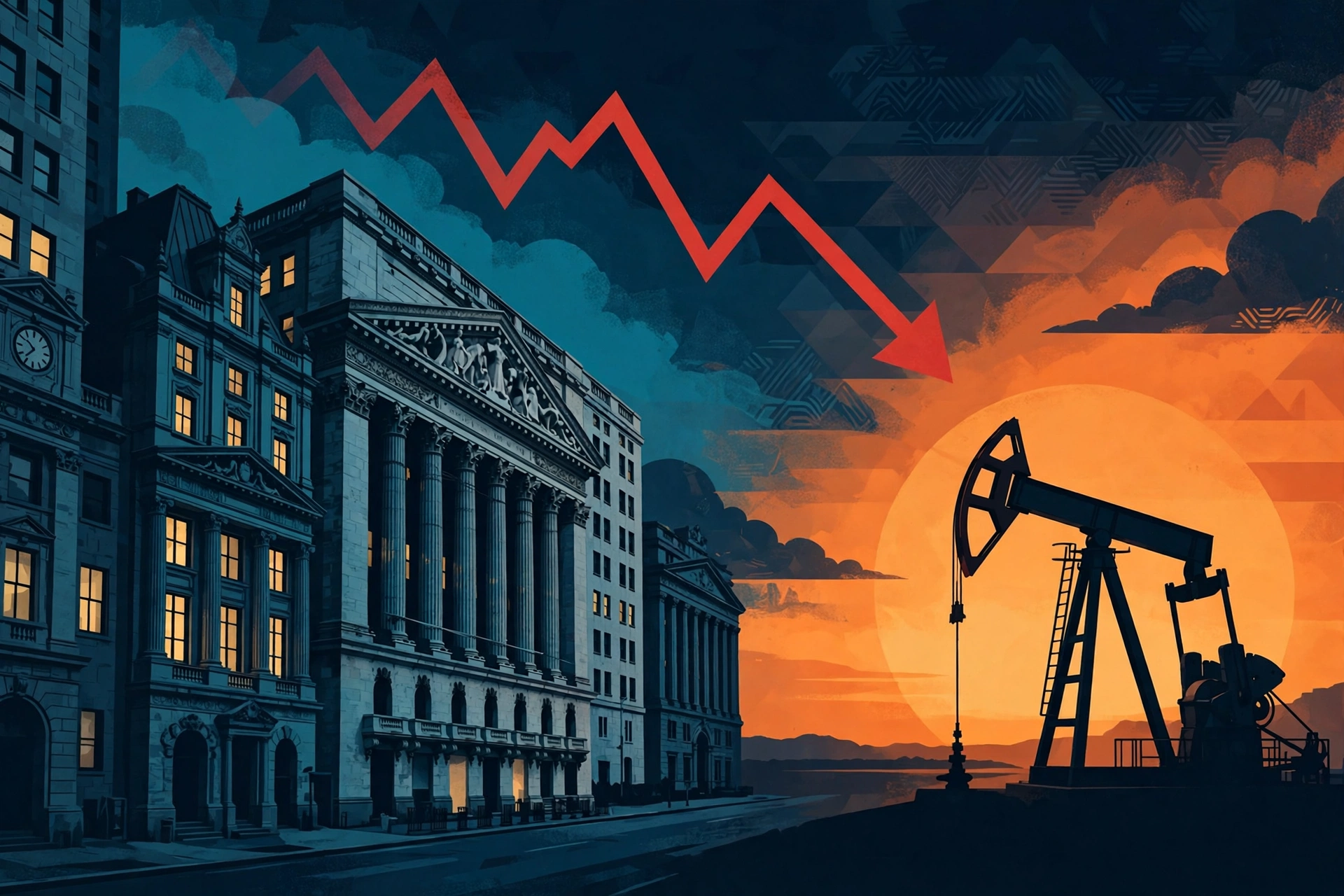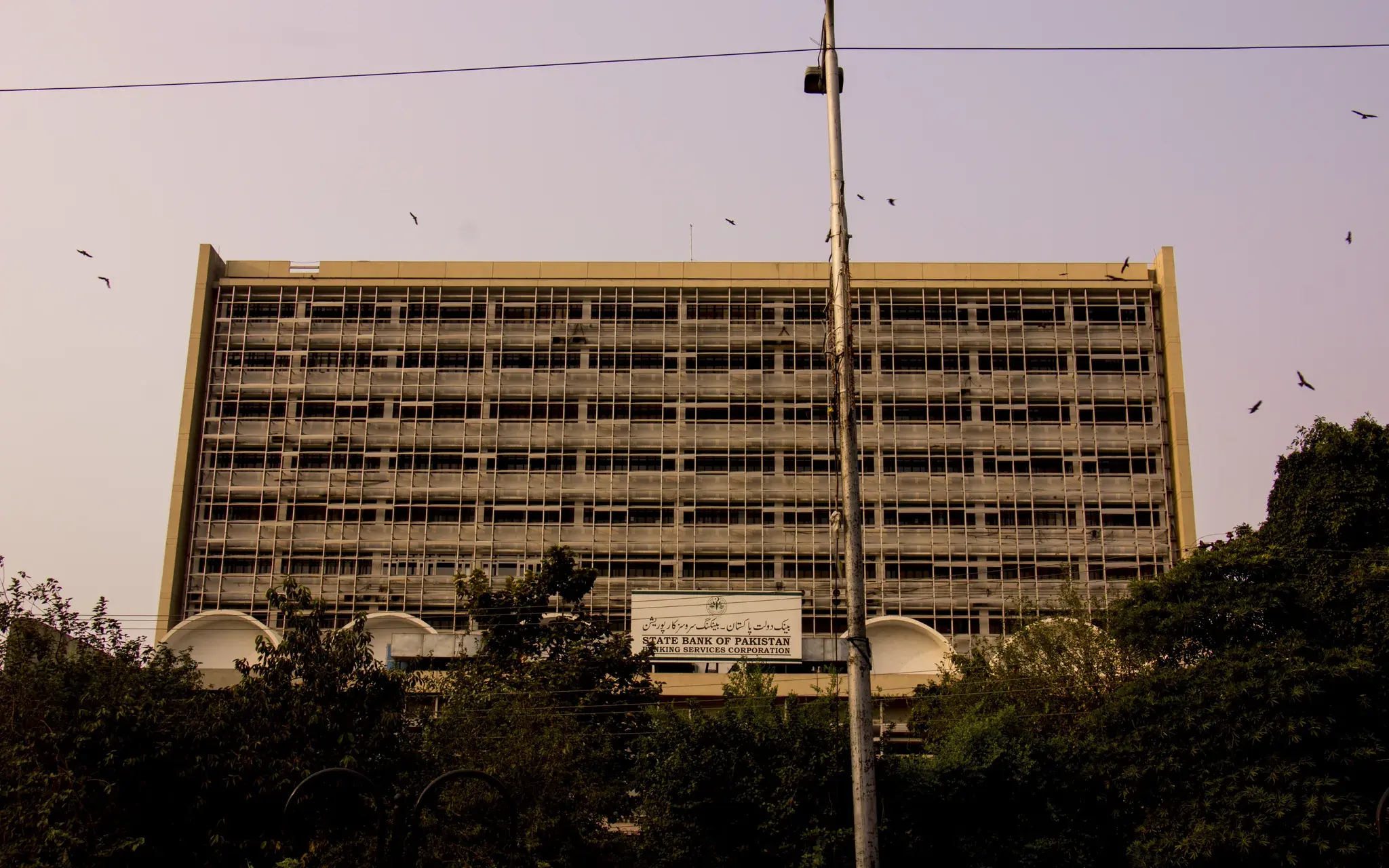
KARACHI — The State Bank of Pakistan (SBP) raised its key policy rate by 50 basis points to 12 percent on Monday, its first increase since April, as the Monetary Policy Committee moved to contain inflation risks driven by the intensifying Middle East conflict and persistently high global energy prices.
The new rate takes effect from October 27. Nine of the committee’s ten members voted in favour of the increase, according to the central bank’s monetary policy statement.
“The inflation outlook deteriorated significantly because of the ongoing geopolitical crisis, including the US-Iran conflict, and other developments in the Middle East,” Governor Jameel Ahmad said, according to Business Recorder. He cited oil prices staying above $100 per barrel and a rise in domestic wheat prices over the past two to three months among the factors behind the decision.
In its statement, the MPC said the intensification of the Middle East conflict, and the low prospects of its near-term resolution, had worsened Pakistan’s inflation outlook. While the impact of the global supply shock on the domestic economy had remained contained so far, the committee said the increase was necessary to keep inflation expectations anchored, contain second-round effects of the supply shock, and bring inflation within the target range of 5–7 percent over the medium term. The external account and growth outlook remained broadly unchanged, though risks had increased, and the committee kept its projection for real GDP growth in 2026–27 at 3.5–4.5 percent.
Headline inflation rose to 10.3 percent year-on-year in September, exceeding the MPC’s expectations, after reaching 11.1 percent in August. Core inflation remained elevated at around 8.4 percent, and inflation has now stayed above the central bank’s 5–7 percent target range for seven consecutive months. The committee listed geopolitical tensions, volatile global commodity prices, possible adjustments in energy tariffs, further increases in wheat prices and adverse weather among the risks that could push prices higher still.
Monday’s decision is the SBP’s second increase this year, following a 100-basis-point hike in April that took the rate to 11.5 percent; the bank then held the rate unchanged in June, July and September. The move was in line with market expectations — most experts surveyed by Dawn had forecast a 50-basis-point rise.
The increase lands as Pakistan works through an IMF-supported reform programme. The Fund urged Pakistan this month to maintain sufficiently tight monetary policy to return inflation durably to target, and a staff-level agreement reached on October 7 could unlock about $1.21 billion under its economic reform and climate resilience programmes, subject to executive board approval, according to Reuters.
Business groups reacted sharply. The Federation of Pakistan Chambers of Commerce and Industry (FPCCI) “strongly denounced” the increase, with its president, Atif Ikram Sheikh, calling the 12 percent rate regionally uncompetitive and counterproductive. “High interest rates have turned borrowing into an unsustainable liability, forcing businesses towards closure without achieving price stability,” Sheikh said, arguing that Pakistan’s inflation is driven by supply-side bottlenecks and energy costs rather than excess demand, and urging the SBP to bring the rate down to single digits.