ABUJA, Nigeria — Nigeria has confirmed its first Ebola case in 12 years: a single imported case of Bundibugyo virus disease in Abuja, laboratory-confirmed on October 20. The patient is in isolation, 44 contacts are being monitored, and officials say there is no evidence of transmission in the community, Zark News reported. Whether it stays isolated depends on tracing finished before the incubation window closes.
Why it matters
Nigeria is Africa’s most populous country, and an imported case in its capital tests the systems that decide whether one infection becomes an outbreak. The strain matters, too: Bundibugyo, behind the Democratic Republic of the Congo’s deadliest Ebola epidemic, has no approved vaccine and no specific approved treatment, according to the World Health Organization (WHO) — unlike the better-known Zaire strain. Containment rests entirely on isolation, tracing and hospital infection control.
What we know
- The case. The woman arrived in Abuja via Addis Ababa on October 5, fell ill on October 7, and sought care at a private hospital on October 11 with malaria-like symptoms, according to Dr. Odianosen Ehiakhamen of the Nigeria Centre for Disease Control and Prevention (NCDC), reported by Reuters. She was tested on October 19 after her travel history became known; the positive result was confirmed on October 20, according to the WHO.
- The contacts. Authorities have identified 44 contacts, most of them healthcare workers and support staff at the hospital, plus her husband, other patients, caregivers and travel contacts, according to the WHO, Reuters and Health Minister Prof. Muhammad Ali Pate. Flight passengers are also being traced, though officials do not believe she was symptomatic during the flight. No secondary infections or deaths have been reported in Nigeria.
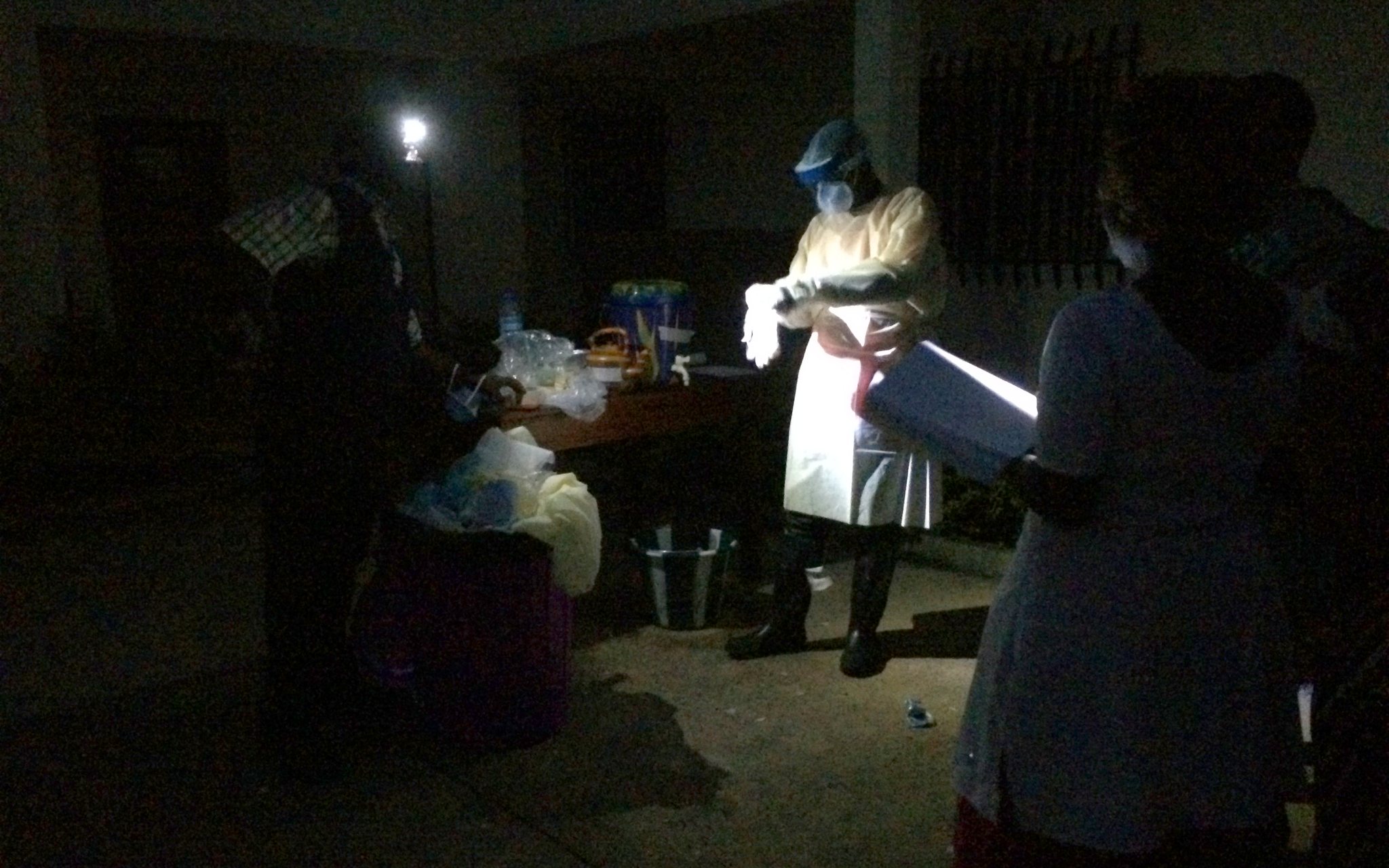
- The response. The NCDC has activated its incident management system, infection control is being stepped up at the facility, and surveillance has been intensified at health facilities and points of entry, according to the WHO, which is supporting the investigation and supplying protective equipment.
- The regional picture. Nigeria is the fifth country to detect Bundibugyo disease since Congo declared its outbreak on May 15, according to the WHO — the fourth in Africa, Reuters noted, the WHO count also including a case in the Netherlands. Kenya has reported nine linked cases; Zark News reported last week that its total had reached seven, including three health workers.
- The outbreak and the precedent. More than 9,500 cases have been recorded in Congo; deaths were put at more than 4,200 by Congolese authorities as of October 18 and 4,646 by Reuters on October 21 — counts from different dates. Zark News reported this month that the toll had passed 4,000. Ebola spreads through the body fluids of a person showing symptoms, not before, and averages around 50% fatality, according to the WHO. In 2014 Nigeria contained an imported outbreak at 20 cases and eight deaths; it was declared free of transmission on October 20, 2014 — exactly 12 years before this confirmation.
What we still don’t know
- Where she was infected. Nigerian accounts describe travel to Uganda. Uganda’s health ministry said she travelled to eastern Congo for business and transited Uganda without symptoms, and that where she was exposed is still under investigation.
- Whether 44 is the full list. Tracing is still under way; officials describe 44 as those identified so far.
- Whether any contact becomes a secondary case. None had been reported as of October 21, but symptoms can appear two to 21 days after exposure, so the full monitoring window is the real test.
- The patient’s condition, beyond being in isolation and receiving care, and the Congo outbreak’s full size, where counts differ by source and date and responders have warned of undercounting.
What’s next
Contacts will be monitored through the incubation period, with immediate testing and isolation for anyone who develops symptoms. The WHO has advised against travel or trade restrictions. If no secondary case emerges by the end of monitoring, the case remains what officials currently assess it to be — an isolated importation, contained. If a contact tests positive, the response widens to a full outbreak footing.
Timeline
- May 15, 2026 — Congo declares the Bundibugyo outbreak, later its deadliest on record.
- Late August 2026 — Uganda’s linked outbreak is declared over, according to UN News.
- October 5, 2026 — The patient arrives in Abuja via Addis Ababa (NCDC, via Reuters).
- October 7, 2026 — She begins feeling unwell.
- October 11, 2026 — She seeks care at a private Abuja facility.
- October 19, 2026 — She is tested for Ebola after her travel history becomes known.
- October 20, 2026 — Bundibugyo confirmed; the NCDC activates its response and 44 contacts are identified (WHO).
- October 21, 2026 — The WHO and Reuters report the case publicly; Uganda says the exposure location is still under investigation.
Sources: WHO Regional Office for Africa and UN News (October 21, 2026); Reuters (October 21, 2026); Nigeria Federal Ministry of Health and Social Welfare (October 20, 2026); Zark News reporting.