CARACAS, Venezuela — Venezuela’s telecommunications regulator has authorized SpaceX’s Starlink satellite-internet service to operate formally across the country, opening the door to a new national broadband option after the system was tested during an earthquake response earlier this year.
The National Telecommunications Commission, known as Conatel, granted one general authorization and seven concessions in the Ku band to the locally registered company SpaceX VZ, S.C.A., according to the regulator’s announcement on Friday, October 9. The authorization allows Starlink to provide satellite internet nationwide under Venezuelan registration and regulatory oversight.
Interim President Delcy Rodríguez’s government described the decision as part of an agreement with the U.S.-based company. Reuters reported that Starlink had received permission to enter the Venezuelan market as SpaceX continues expanding its consumer, enterprise, aviation, maritime and government connectivity services.
Seven concessions, but no commercial launch date
EFE reported that Conatel issued seven general concessions alongside authorization HGTS-00639. The regulator said the decision permits Starlink to operate formally throughout Venezuela with a legal presence and government supervision.
Neither the Venezuelan announcement nor SpaceX disclosed a commercial start date, subscription price, equipment cost or service tiers. The authorization therefore establishes the legal framework for service but does not by itself confirm when households and businesses will be able to order terminals through official local channels.
That distinction matters in a country where access to foreign equipment, payment methods and reliable electricity can affect whether an authorized communications service becomes broadly available. Starlink’s low-Earth-orbit satellite network can reach places where terrestrial fiber or mobile infrastructure is limited, but customers still require a terminal, a clear view of the sky and electrical power.
Earthquake response preceded authorization
Conatel linked the licensing decision to the emergency response after two earthquakes struck Venezuela on June 24 and severely damaged telecommunications infrastructure in La Guaira state. Starlink equipment was used to support connectivity in affected areas.
In a June support notice, Starlink said it was providing temporary free service in earthquake-hit parts of Venezuela through July 25. The emergency deployment gave authorities and relief groups an opportunity to use satellite links where ground networks had been disrupted.
The new authorization moves Starlink from emergency cooperation toward regulated commercial operation. It also gives Venezuela another potential connectivity provider at a time when satellite broadband is becoming a strategic part of disaster response, rural access and communications resilience worldwide.
What remains unclear
Conatel has not publicly detailed coverage targets, consumer-protection requirements, local-currency payment arrangements or whether the concessions include Starlink’s direct-to-device services. Those questions will determine how quickly the license translates into practical access beyond government and institutional users.
SpaceX had not posted a Venezuela-specific commercial rollout announcement or local pricing page by Saturday morning. Customers should wait for official ordering information from Starlink or the regulator and avoid unverified resellers claiming that the license guarantees immediate activation.
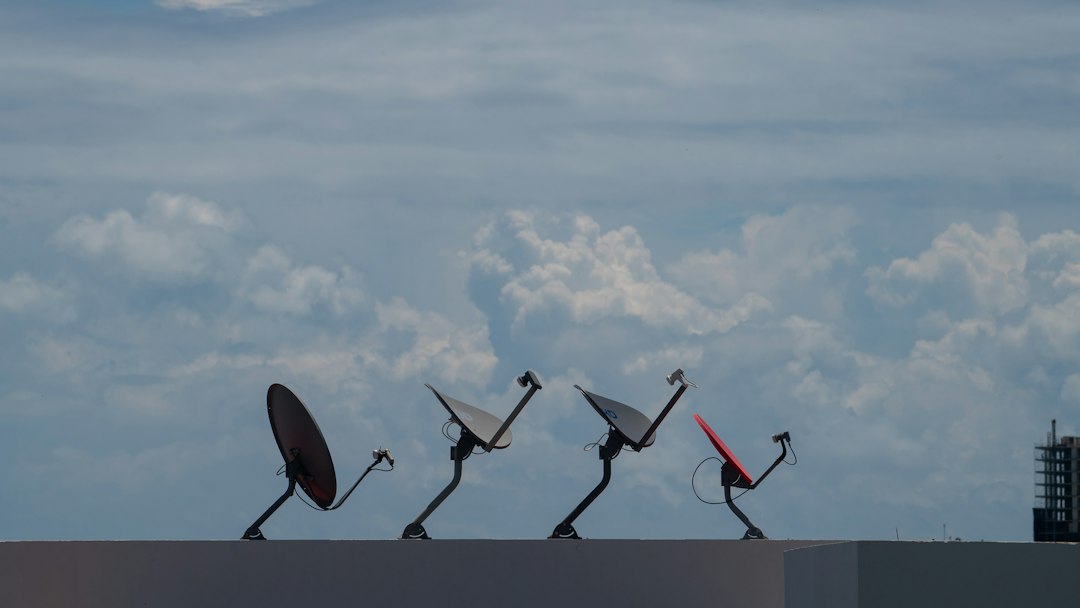
Featured image: Satellite communications dishes in Cancún, Mexico. Photo by Margo Evardson via Unsplash. The image is illustrative and does not show Starlink equipment in Venezuela.