Yemen's Southern Armed Forces said on Sunday that they are pulling out of Dhubab Airport and the Bab el-Mandeb area, on the coast west of Taiz, and are moving back toward Aden. Reuters reported that the withdrawal leaves the Iran-aligned Houthi movement in control of the area overlooking the Bab el-Mandeb Strait.
The Southern Armed Forces are the main force fighting for the internationally recognised government in the south. They grew out of the armed wing of the Southern Transitional Council, the UAE-backed separatist body, though their aim of a separate southern state has often set them apart from that government.
Where Dhubab is, and why the ground matters
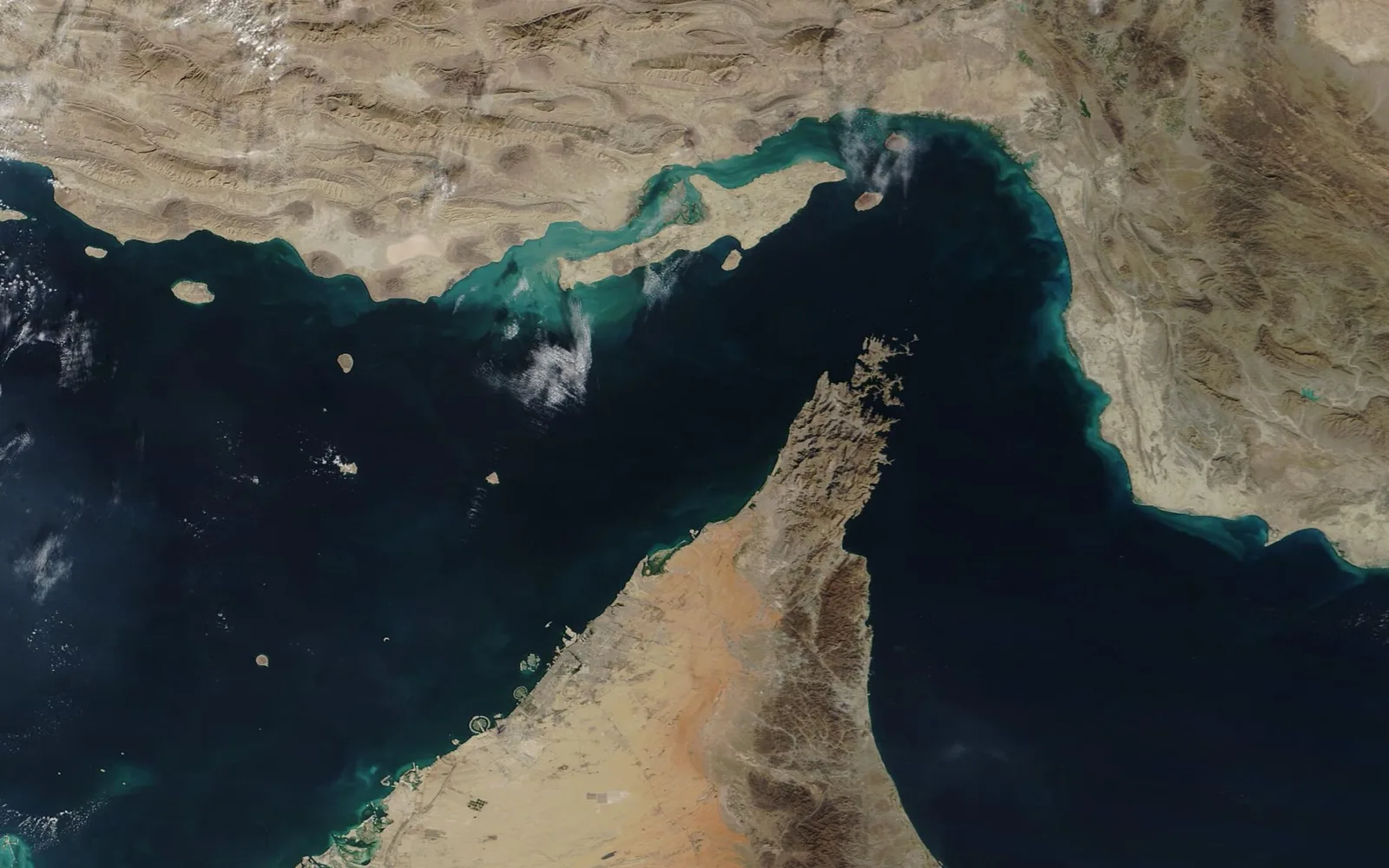
Dhubab is a coastal area at the southwestern tip of Yemen. The ground there looks down on the Bab el-Mandeb Strait, the narrow waterway joining the Red Sea to the Gulf of Aden. Ships between Asia and Europe pass through it on the way to the Suez Canal, making it one of the region's two great shipping chokepoints, alongside the Strait of Hormuz.
The Houthis attacked more than 100 commercial vessels from this coast between late 2023 and 2025. Traffic is still far below its old level: Lloyd's List Intelligence counted 1,363 transits in October, 46 percent below the level before the Houthi shipping crisis.
How the withdrawal happened
The move undoes a government counteroffensive launched six weeks ago. In September the Houthis swept down the Red Sea coast, seized the port of Mokha and took Perim Island inside the strait. Government forces, backed by Saudi air support, attacked in early October and retook Dhubab and its airport, but never cleared the wider area and did not retake Mokha, Reuters reported.
Since then, Houthi gains in the highlands south of Taiz undermined the Bab el-Mandeb campaign, Yemeni military sources told Reuters. The Houthis now stand outside Tur al-Bahah in Lahj governorate, about 80 kilometres (50 miles) from Aden. The southern forces have moved to al-Suqyah, just south of Dhubab and about 150 kilometres (95 miles) west of Aden, and are still fighting the Houthis nearby, the sources said. Fighting continued on Sunday: AFP reported a Houthi missile hit a checkpoint at Khor Omeira in Lahj, killing at least five people.
What each side says
The Southern Armed Forces called the move a redeployment, not a retreat. "The Southern Armed Forces announce the implementation of a redeployment operation for its forces from Dhubab Airport and the Bab el-Mandeb area, west of Taiz Governorate," their statement said. They said the step was taken to secure Aden and the neighbouring governorates, strengthen the front lines, and support efforts to break the siege of Taiz.
A media adviser to Yemen's presidency pushed back on the word withdrawal, telling Asharq Al-Awsat it was a calculated step to protect Aden, that troops were still only 6 to 8 kilometres from the strait, and that the Kahbub mountains above the coast were still held by government-aligned forces. That account has not been confirmed independently. Government forces spokesman Majid al-Nuzayli called on the international community to help return Bab el-Mandeb and the west coast to government control, Al Jazeera reported.
The Houthis told a different story. Houthi-run media quoted a military source saying the government forces had been cornered, lost their positions and supply lines, and been forced back toward Aden, and calling the redeployment a sign of panic. Houthi media also claimed their forces were advancing toward Aden. Those claims have not been verified independently. Saudi Arabia and the Saudi-led coalition made no public statement about the withdrawal on Sunday.
What it means for the strait and for shipping
Holding the shore is not the same as closing the strait, and no one has announced a closure. The waterway remains open to commercial shipping, the position in the Joint Maritime Information Center's most recent advisory, issued on November 5. No attack on a ship was reported on Sunday. Lloyd's List Intelligence said there had been no attacks on shipping in the Red Sea since August 24, although a large unexplained explosion was seen in the strait on November 6.
What has changed is leverage. Reuters reported that holding the area gives the Houthis a stronger hand over the chokepoint while Iran disrupts traffic through the Strait of Hormuz, squeezing the Gulf's oil exporters. Saudi Arabia pipes crude across the kingdom to Yanbu on the Red Sea to avoid Hormuz. Tankers loading there and sailing south toward Asia pass Bab el-Mandeb, within reach of Houthi missiles, drones and boats along the shore.
What happens next
The next test is Aden. The government has been based in the southern port city since the Houthis seized the capital, Sanaa, more than a decade ago, and the Houthis say they are preparing to advance on it. About half of the roughly 300,000 people displaced across Yemen by the latest fighting are in besieged Taiz, where aid cannot get in and civilians cannot leave, Reuters reported.
For shipping, the question is whether the Houthis use the position against vessels, as they have before, or hold it as a bargaining chip.
Reporting note: This story is based on Reuters reporting from Yemen on November 15, 2026; on the Southern Armed Forces statement quoted by Reuters and Al Jazeera; on Al Jazeera's account of the government forces spokesman's appeal and of the Houthi response; on Asharq Al-Awsat's interview with a Yemeni presidency media adviser; on South24 Center reporting carried in monitoring roundups; on an AFP report of a missile strike in Lahj; and on shipping figures and advisories from Lloyd's List Intelligence and the Joint Maritime Information Center. Claims by each side about the other's position are reported as claims and have not been independently verified.