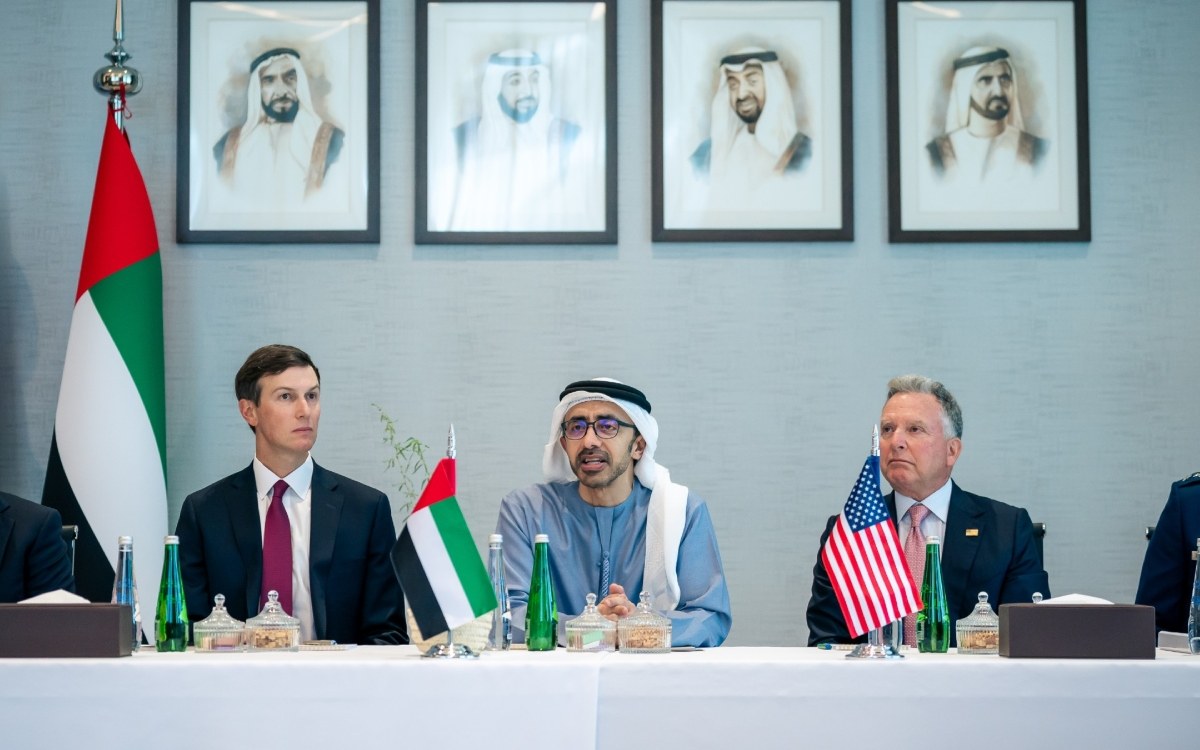
ABU DHABI. Russia and Ukraine have held their first U.S.-brokered talks in nine months, meeting in Abu Dhabi on Tuesday and Wednesday. The two-day round produced one concrete result, an agreement in principle on a large prisoner exchange, and no breakthrough on ending the war. Secretary of State Marco Rubio called day one “very productive” and Ukrainian President Volodymyr Zelenskyy called it “constructive and quite substantive,” but the sides remain far apart on territory and security, according to the Associated Press.
Why it matters
The war, begun by Russia’s all-out invasion nearly five years ago, is in its fifth year. Diplomacy had stalled since February, after the United States turned to its military operations against Iran. The context has shifted since then: Democrats are set to take over the U.S. Congress in January, Russia’s wartime economy is under heavy strain, and Ukraine is reeling from attacks on its power grid, according to AP.
What we know
- The format and the delegations. The United States mediated, represented by envoy Steve Witkoff and Jared Kushner, President Donald Trump’s son-in-law. Ukraine’s team was led by Rustem Umerov, head of its Foreign Intelligence Service, and Russia’s by Vladimir Medinsky, an aide to President Vladimir Putin, according to AP. Neither Rubio nor Zelenskyy attended.
- Day one lasted about four hours. Zelenskyy said the agenda covered humanitarian measures and prisoner exchanges, long-term security guarantees to prevent another invasion, and steps toward reducing hostilities, according to AP. The humanitarian talks included returning Ukrainian civilians and children taken from Ukraine.
- Day two ended with a prisoner-exchange agreement in principle. Day two wrapped up in under two hours on Wednesday, according to Russia’s TASS and Ukraine’s Interfax agencies, reported by DPA. Kushner said the sides agreed on “the biggest humanitarian release of prisoners,” with numbers to be finalized Thursday. Medinsky confirmed a major exchange, details to come later. He said afterward that the two sides had reached a mutual understanding on some issues but not others, that more negotiations would take place, and that a possible new European security framework had been a central theme of the talks, according to Reuters.
- Europe was present but not at the main table. U.S. envoys first met the Ukrainian team alongside representatives of Britain, France, Germany, Italy, NATO and the European Commission, according to Umerov. Moscow opposed a European seat in the direct talks, and Medinsky said Russia had no contact with them, according to AP and DPA.
- The fighting did not pause. Overnight, Russia struck Zaporizhzhia and Kharkiv, wounding seven civilians, while its Defense Ministry said it downed 627 Ukrainian drones, according to AP, a one-side claim, not independently verified.
What we still don’t know
- The size and timing of the exchange. No final number or date was announced. Zelenskyy had announced plans for 1,000 to 1,500 prisoners, and the Russian General Staff spoke of more than 1,000 per side over two to three weeks, according to DPA: plans, not a finalized deal.
- Whether territory moved at all. Land is the central dispute, and AP reported no sign either side is willing to compromise on its demands. Kushner said the territorial issues would be the hardest to resolve, according to Reuters.
- What security guarantees would look like. Medinsky said guarantees were discussed for Russia as well as Ukraine. No text, guarantor or enforcement mechanism has been made public.
- Whether a ceasefire is on the table. No ceasefire was agreed, and neither side has said what sequence it would accept: ceasefire first, or settlement first.
What’s next
Kushner said he and Witkoff will travel to Moscow on Thursday to meet President Putin, with the exchange numbers due to be finalized the same day, according to DPA. From Moscow, the two envoys fly to Dublin to debrief President Zelenskyy, who is in Ireland for European meetings, Kushner said, according to Reuters. Ukrainian negotiator David Arakhamia called for a second round soon, according to DPA. Zark News reported the opening day in full here: Russia and Ukraine Open First U.S.-Brokered Talks in Nine Months, with video coverage here: the Abu Dhabi talks video report.
Timeline
- February 2022: Russia launches its all-out invasion of Ukraine; the war is now in its fifth year.
- January to February 2026: Three trilateral rounds, two in Abu Dhabi and one in Geneva in February, are held before diplomacy stalls as U.S. attention shifts to Iran, according to AP and DPA.
- Tuesday, November 10, 2026: The first trilateral session in nine months meets in Abu Dhabi for about four hours. Rubio calls it “very productive”; Zelenskyy calls it “constructive and quite substantive.”
- Wednesday, November 11, 2026: The second day ends after less than two hours, with an agreement in principle on a large prisoner exchange and no ceasefire or territorial breakthrough.
- Thursday, November 12, 2026 (scheduled): The exchange numbers are to be finalized, and Kushner and Witkoff are due in Moscow to meet Putin, then fly to Dublin to debrief Zelenskyy.