U.S. stocks closed out a brutal week on Friday, November 20, with the Nasdaq Composite plunging 5.28 percent and the S&P 500 entering correction territory as the artificial-intelligence trade unraveled around the world.
The Dow Jones Industrial Average fell 949.73 points, or 1.93 percent, to 48,147.33. The S&P 500 dropped 265.44 points, or 3.70 percent, to 6,910.39 — its seventh straight daily loss, the longest losing streak in five years. The Nasdaq Composite fell 1,261.47 points, or 5.28 percent, to 22,617.73, wiping out its gains for the year.
For the week, the Dow lost 8.0 percent, the S&P 500 fell 8.6 percent and the Nasdaq dropped 10.0 percent. MSCI’s gauge of stocks across the globe fell 8.1 percent for the week, its largest weekly decline since early 2020.
Chips lead the rout
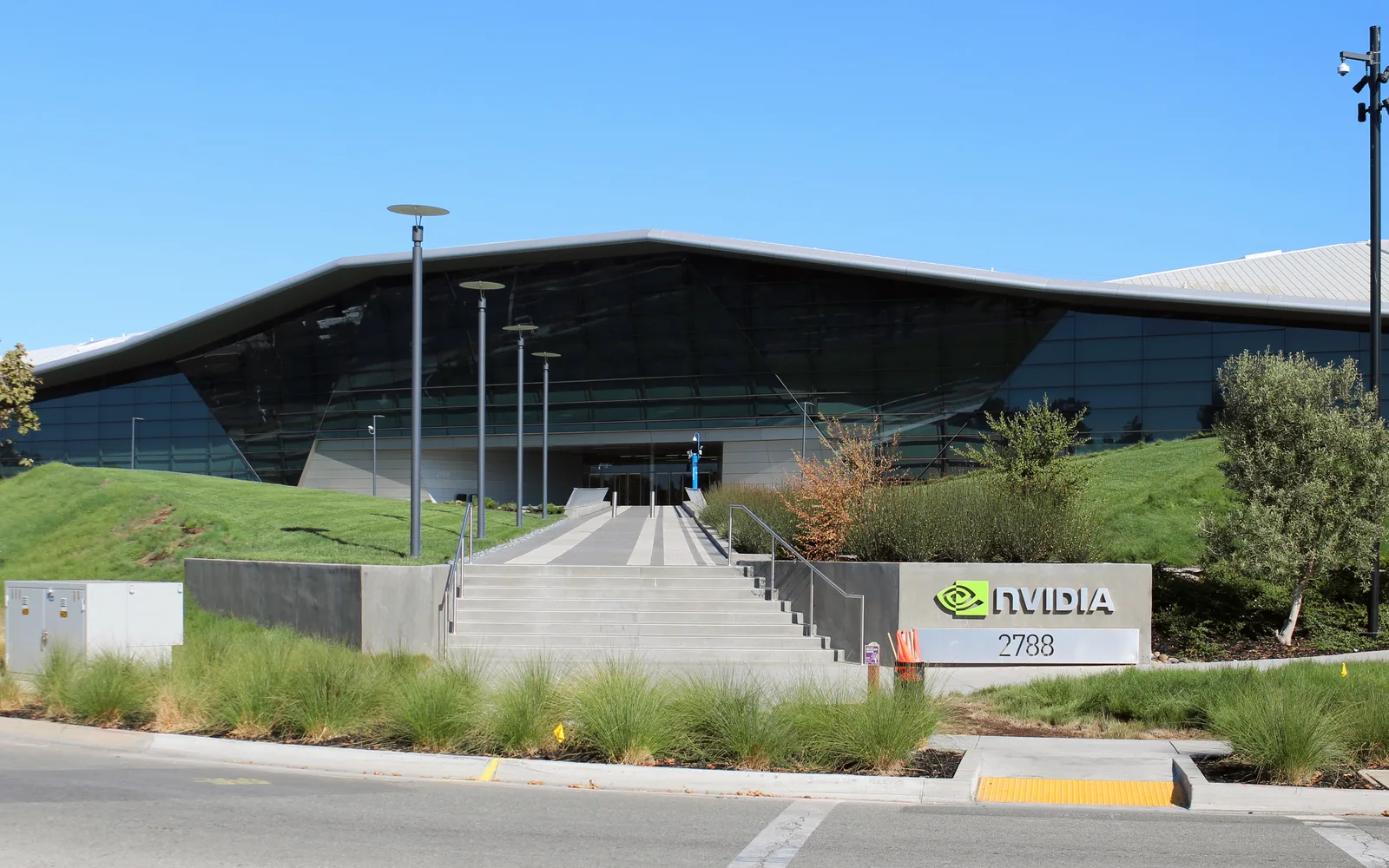
Chip stocks bore the brunt of the selling. The Philadelphia Semiconductor Index fell 10.7 percent on Friday and 17.1 percent for the week. Nvidia closed down 13.8 percent after Reuters reported that the U.S. Securities and Exchange Commission is examining the chipmaker’s accounting practices.
Anthropic, which debuted on the stock market this week, fell 9.1 percent on Friday to $88.30, still above its $83 IPO price. AI cloud provider CoreWeave fell 12.1 percent.
The selling spread well beyond technology. Japan’s Nikkei fell 5.06 percent, and Taiwanese shares were down 17 percent for the week, their biggest weekly decline since 1990. Consumer staples was the only S&P 500 sector to end Friday in positive territory.
“Markets are entering a more defensive phase,” Daniela Hathorn, senior market analyst at Capital.com, told Reuters. “Strong AI demand and successful individual listings are no longer sufficient to sustain broader risk appetite when investors are questioning valuations, borrowing costs and the outlook for corporate profitability.”
Bonds rally as yields fall
Investors sought safety in government bonds. The yield on the benchmark 10-year U.S. Treasury note fell 10.43 basis points to 4.948 percent, its largest daily drop since October 22. The two-year yield fell 13.21 basis points to 4.647 percent, and the 30-year yield fell to 5.3329 percent.
The drop in yields came even as traders priced in a Federal Reserve interest-rate increase at next month’s policy meeting. Fed Governor Lisa Cook said this week that monetary policy is not restrictive enough to curb inflation.
What it means for ordinary people
For most Americans, the selloff lands first in retirement accounts: 401(k)s and pension funds holding broad stock-market funds fell with the indexes, and the Nasdaq’s slide erased its gains for the year.
The fall in Treasury yields could offer slight relief for borrowers if it lasts — mortgage rates track the 10-year yield — but with the Fed still expected to raise rates in December, credit-card and loan costs are unlikely to ease soon.
Oil moved the other way. U.S. crude rose 1.49 percent to $83.67 a barrel and Brent rose to $92.61, as traders worried about possible attacks in the U.S.-Israeli war with Iran ahead of next week’s Thanksgiving holiday. Gold fell to a 14-month low, and Bitcoin broke below $60,000.
Developing: U.S. markets are closed for the weekend. The next check comes Monday, when flash purchasing-manager surveys land at 9:45 a.m. ET.
Sources: Reuters; investingLive; Regal Discount Securities.