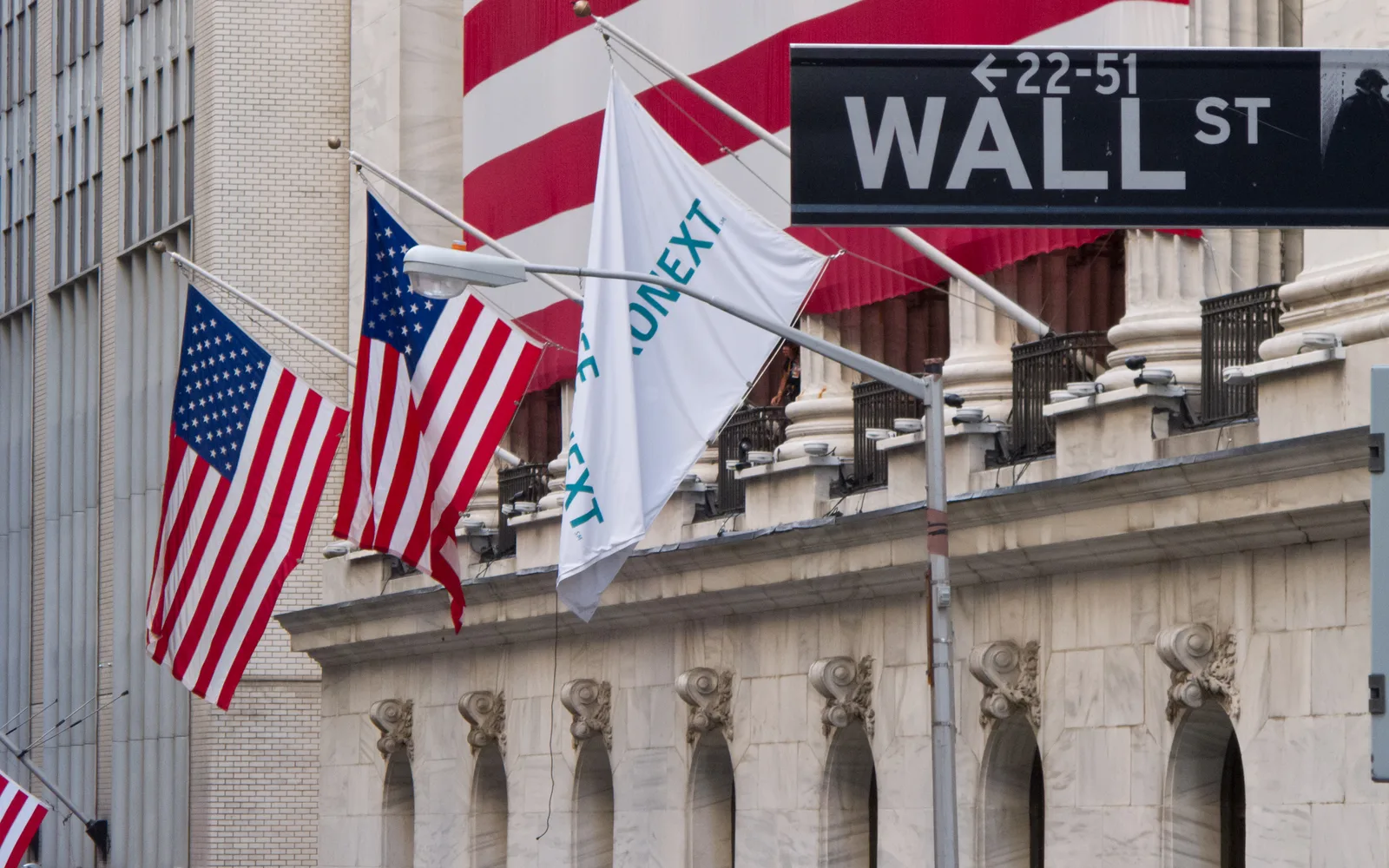
NEW YORK — U.S. stock index futures stabilised on Wednesday after dropping sharply at first, as investors assessed the Democrats’ sweeping victories in the midterm elections and what a Democratic Congress could mean for technology companies, taxes and government spending, according to Reuters.
Futures fell hard when the scale of the result became clear, with Nasdaq-100 futures down as much as 2.4 percent and S&P 500 futures down as much as 1.4 percent, according to Reuters. By 3:13 a.m. Eastern Time, the picture had changed: Dow futures were up 237 points, or 0.46 percent, S&P 500 futures were up 0.15 percent, and Nasdaq-100 futures were up 0.26 percent.
Gold rises, dollar falls
Investors moved into traditional safe havens. Spot gold climbed 2.4 percent to $4,021.68 an ounce on Wednesday, according to Reuters market data, while the dollar fell to a one-month low and Treasury yields moved lower as bond prices rose. Oil moved the other way: Brent crude futures slipped 26 cents to $103.34 a barrel in early trade, and U.S. West Texas Intermediate fell 53 cents to $95.56, according to Reuters, as traders weighed the election result and its effect on talks to end the wars in Ukraine and Iran.
Why technology stocks took the first hit
Analysts said the early selling was concentrated in the artificial intelligence trade. A Democratic Congress is expected to look more closely at data centres, which use large amounts of power and water, and at the regulation of AI, according to Reuters. Shares of the big technology companies — Amazon, Alphabet, Microsoft and Meta — were lower in European trading, and Elon Musk’s SpaceX dropped more than 4 percent. Renewable energy shares moved in the opposite direction, on expectations of friendlier policy.
There was some relief from company news. Chipmaker AMD forecast faster-than-expected growth for 2027 as its data-centre sales surge, which eased some concern about the AI trade in Asia, where South Korean stocks rose more than 2 percent in early trading, according to Reuters, while Japan’s Nikkei fell 1.5 percent after a holiday.
What happens next
The figures above are futures and early-market moves, not final results. Regular U.S. trading opens at 9:30 a.m. Eastern Time on Wednesday, and investors will listen to Democratic leaders for their first statements on tax, spending and technology policy. U.S. crude stock data from the Energy Information Administration is due at 10:30 a.m. Eastern, and the October jobs report follows on Friday.
Read the Reuters report: US stock index futures steady as Democrats seize Congress.