WASHINGTON — A federal judge has blocked the Trump administration from sending state and local election officials its lists of voters it believes may not be U.S. citizens, ruling on Monday — the day before Election Day — that the program likely breaks federal law.
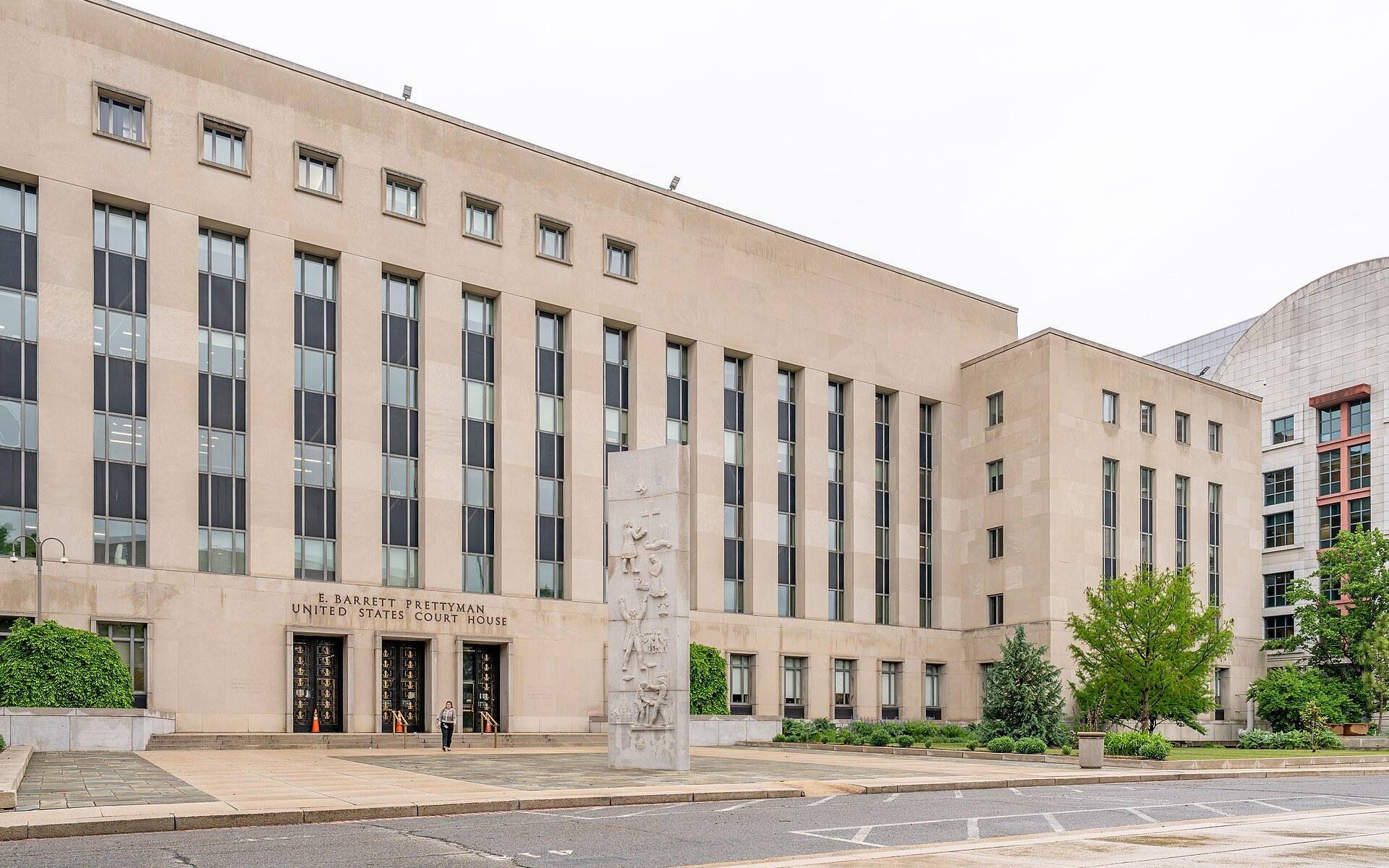
U.S. District Judge Tanya S. Chutkan issued a preliminary injunction — a court order that blocks the program while the case is decided — in League of Women Voters v. U.S. Department of Homeland Security. The order bars the Justice Department and the Department of Homeland Security from sending those lists to any state or local election office. The lists had come with demands: check the people named, set their ballots aside, and do not count them until they prove they are citizens.
The ruling does not change how any ballot cast today is handled. States keep counting under their own rules. The government may still check one person’s citizenship at a time through the federal SAVE system, and it may still prosecute anyone who actually votes illegally.
What the administration was doing
According to the judge’s 30-page opinion, the two departments collected the voting records of tens of millions of people from at least 47 states — including Social Security numbers, birth dates, voting history and party registration — and matched them against other federal records to build the lists. In October, the Justice Department hand-delivered a thumb drive with data on more than 20,000 people to Los Angeles County, demanding a review within 48 hours and the separation of ballots not yet sent. Letters went to every California county. Late in October, the department sent a list to Washington state and said a second, larger list would follow ahead of Election Day. Under the injunction, that second list cannot be sent.
Why the judge blocked it
Chutkan found the challengers are likely to win their case. No law authorizes the program, she wrote: the statute the administration pointed to makes it a crime for noncitizens to vote, but it “contains no language authorizing the broad program of bulk transmission of sensitive voter data for the purposes of intervening in state election procedures.” The program also likely breaks the Privacy Act. The law required the departments to publish a notice describing this system of records before they used it, and they never did. And none of the Act’s exceptions allows handing the data out in bulk.
The opinion also questions whether the government’s citizenship data can be trusted. It recounts that after Homeland Security said 15,903 noncitizens were registered to vote in Nevada, the state’s own review found that every single one of them was in fact a U.S. citizen. If eligible voters were wrongly flagged and their ballots set aside, the judge wrote, the harm could not be undone after the election: “there can be no do over and no redress.”
The administration’s position
In a court filing on Oct. 31, the government argued that its letters to California and Washington were part of enforcing the federal law against noncitizen voting, and that the letters bind no one, because election officials are free to ignore them. Chutkan answered that this argument undercuts the government’s own claim that an injunction would cause it harm.
The Justice Department and the Department of Homeland Security did not respond to requests for comment on the ruling, and no appeal had been reported as of Tuesday afternoon. The injunction stays in force while the case proceeds, until a final judgment or a further court order.
Related: in a separate case, another federal judge, James Boasberg, ordered the government not to demand that California election officials segregate ballots based on the lists — read Zark News’ coverage. The Supreme Court on Monday also declined the administration’s emergency request in the California ballot case.