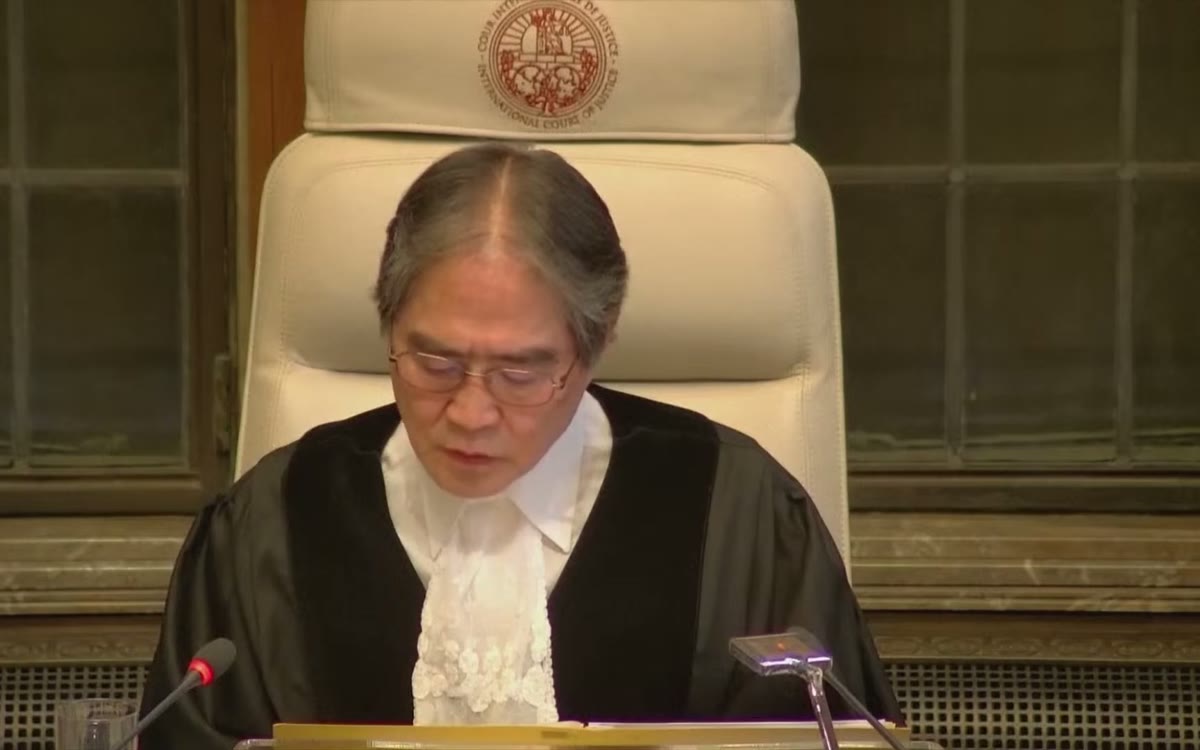
THE HAGUE. The International Court of Justice ruled on Thursday, November 19, that Myanmar committed genocide against the Rohingya in northern Rakhine State during its 2017 military campaign. By nine votes to six, the judges found the campaign was carried out with intent to destroy a substantial part of the Rohingya group. It is the first time in its 80-year history that the court, the highest court of the United Nations, has found a state responsible for committing genocide.
The Gambia brought the case in November 2019 under the 1948 Genocide Convention. Zark News reported the ruling as it was read in court and set out the road to judgment.
Why it matters
Earlier cases turned on a hard test: proving a state itself intended to destroy a group, not only that terrible crimes took place. No state had ever been found responsible under that test. According to Reuters, the reasoning is expected to shape other cases under the convention, including South Africa’s case against Israel, which Israel denies. For the Rohingya, the ruling names what happened in law. It does not bring anyone home, restore citizenship, or punish any individual. The court settles disputes between states, cannot convict a person, and has no force of its own to enforce its orders.
What we know
- The core finding. By nine votes to six, the court found Myanmar committed genocide in northern Rakhine State, in violation of the Genocide Convention. The judgment found acts under Article II (a), (b) and (d): killing, serious bodily or mental harm, and measures intended to prevent births.
- What the court described. President Yuji Iwasawa said security forces killed thousands of Rohingya civilians, carried out widespread sexual violence and extreme violence against children, and attacked Rohingya as they fled to Bangladesh, according to Reuters. NPR reported the court cited estimates of about 10,000 killed and all or part of 392 villages burned. Those are cited estimates, not a final count agreed by all sides.
- Prevention, punishment and evidence. By the same nine to six margin, the court found Myanmar breached its duty to prevent genocide by individuals acting alongside its forces. By 11 votes to four, it found Myanmar failed to punish those responsible. By the same 11 to four margin, it found Myanmar breached the court’s January 2020 order to preserve evidence.
- One claim was rejected. By 14 votes to one, the court found Myanmar had not directly and publicly incited the commission of genocide by private persons.
- What the court ordered. Myanmar must investigate persons reasonably suspected over the 2017 operations and, if warranted, prosecute them, enact the domestic legislation needed to give effect to the convention (a duty the court found Myanmar had breached), give assurances of non-repetition, and carry out restitution, including the safe, voluntary and dignified return of displaced Rohingya and reunification of families, according to the United Nations investigative mechanism for Myanmar. Compensation will be set in a later phase, and Myanmar must report within two years.
- Myanmar’s position. Myanmar has denied genocide and said its forces responded to attacks by the Arakan Rohingya Salvation Army on police posts in August 2017. According to Reuters, its government did not immediately respond to a request for comment on Thursday.
What we still don’t know
- Whether Myanmar will comply. The judgment is final and binding, with no appeal, but the court has no means of enforcing it. Myanmar’s formal response is still to come.
- How much compensation, and in what form. The court left the amount and method to a later phase. No figure has been set.
- Whether return is possible in practice. The United Nations refugee agency counts about 1.2 million Rohingya in Bangladesh, and about 520,000 remain in Myanmar under severe restrictions, according to Zark News reporting. Rakhine State is also contested in Myanmar’s civil war. The ruling does not settle citizenship or safety.
- What happens to individuals. This judgment decides state responsibility. It convicts no commander or official and does not decide separate individual cases.
- How far the precedent reaches. Lawyers expect the reasoning to be used in other genocide cases. How other benches apply it is unknown.
What’s next
Next are Myanmar’s response, the reparations phase on compensation, and Myanmar’s report within two years on restitution. Families in Cox’s Bazar will judge the ruling by whether conditions change.
Timeline
- August 25, 2017: The military campaign begins in Rakhine State after attacks on police posts. More than 700,000 Rohingya flee to Bangladesh.
- November 11, 2019: The Gambia, backed by the Organisation of Islamic Cooperation, files the case.
- January 23, 2020: The court orders Myanmar to protect the Rohingya and preserve evidence related to the allegations.
- July 22, 2022: The court rejects Myanmar’s objections and rules it has jurisdiction and the case is admissible.
- January 12 to 29, 2026: Merits hearings in The Hague, including closed door Rohingya testimony, according to Zark News reporting.
- November 3, 2026: The court announces it will deliver its judgment on November 19.
- November 19, 2026: The court finds genocide by nine votes to six, orders investigations, restitution and compensation, and rejects the incitement claim 14 to one.