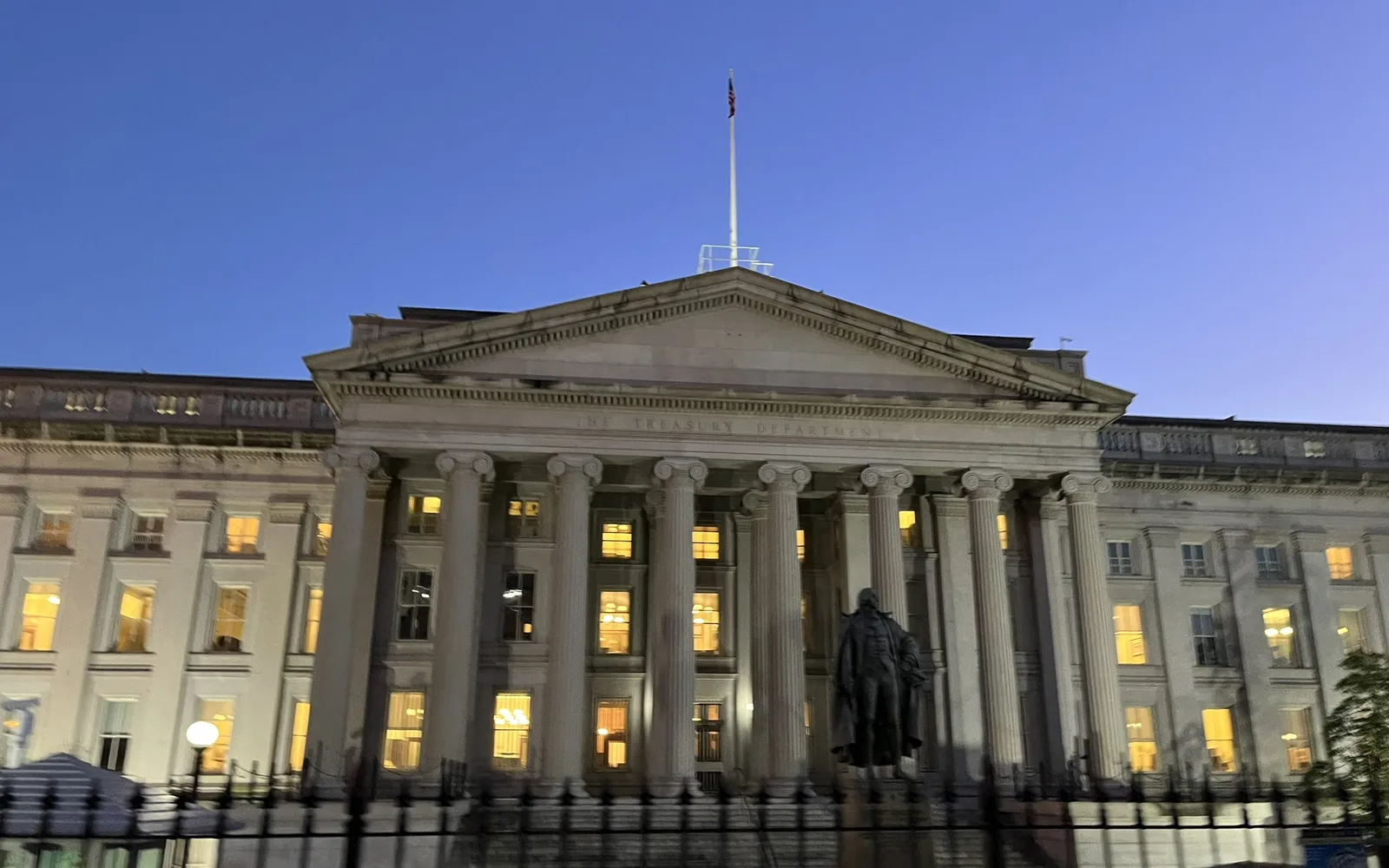
U.S. consumer prices rose 0.4% in October, hotter than the 0.3% economists expected, the Bureau of Labor Statistics reported on Tuesday, hardening expectations that the Federal Reserve will raise interest rates in December — and possibly by more than the usual quarter point.
Core prices, which exclude volatile food and energy costs, rose 0.3% for a third consecutive month, above the 0.2% forecast. Food prices rose 0.5% in the month. No annual inflation rate was published, because a federal government shutdown in October last year prevented the collection of the data needed for a year-over-year comparison.
The bond market reacted immediately. The yield on the 10-year Treasury note climbed above 5% during Tuesday’s session, while the two-year yield — the part of the curve most sensitive to Fed policy — jumped about 18 basis points to 4.73%, its biggest one-day rise since April 2025, according to Reuters. The 30-year yield rose to about 5.35%.
Waller opens the door to a half-point move
The report landed hours after Federal Reserve Governor Christopher Waller, speaking in London, said he leaned toward a quarter-point increase in December but added that if October core inflation came in near 0.3% — as it has for three months running — or higher, stronger action would be justified.
“I believe a 50 basis point hike in the policy rate should be considered at the December meeting,” Waller said.
The Fed held its benchmark rate at 3.75% to 4% at its October 27-28 meeting. Its final meeting of the year is December 8-9, with the decision announced on December 9. Traders now put the chance of a December hike at nearly 100%, up from about 84% before the report, with the odds of a half-point move rising to around 10% from near zero, according to CME FedWatch readings cited by Bloomberg and CNBC.
Stocks fell, then rebounded
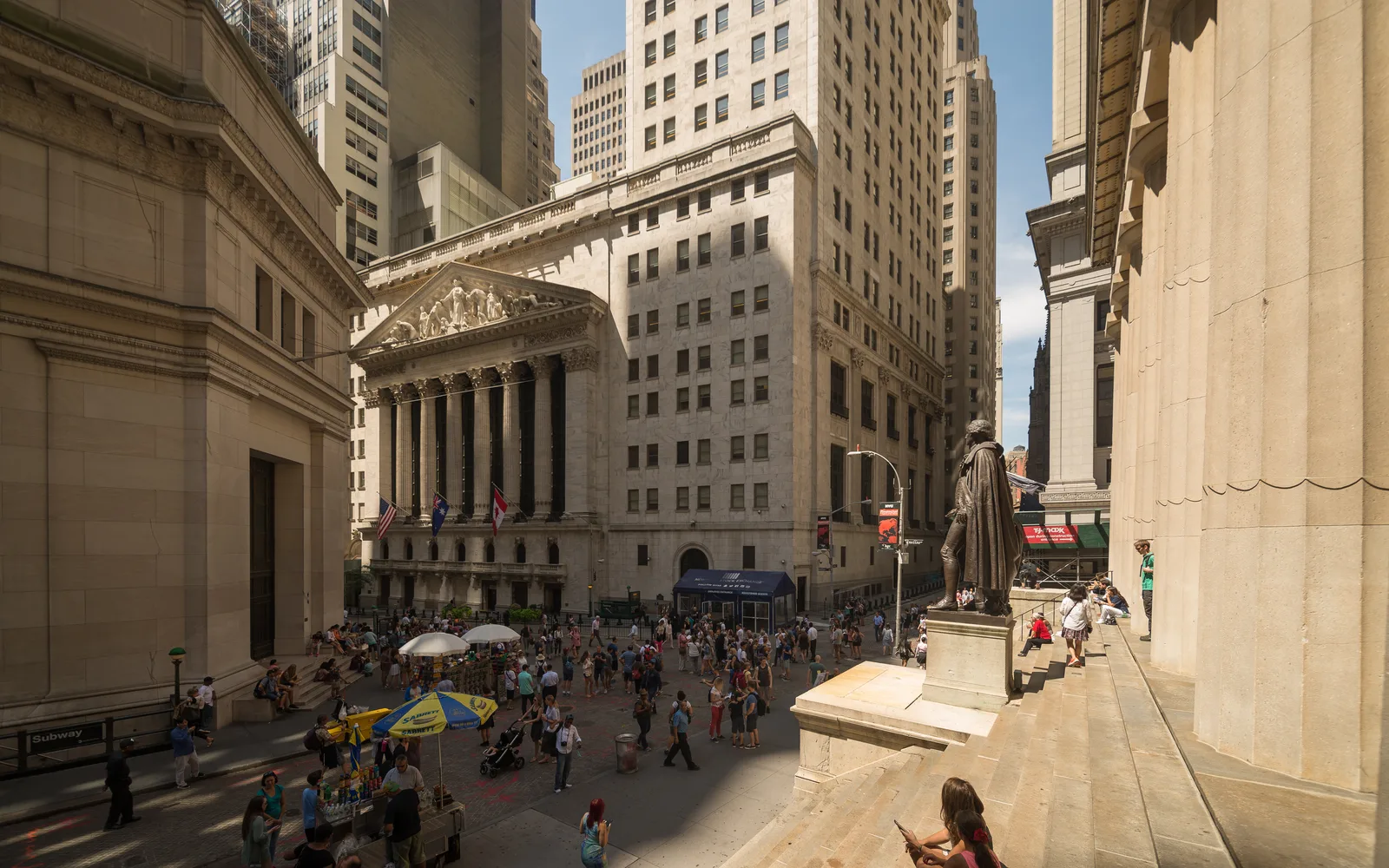
Stocks fell on Tuesday after the report: the Dow Jones Industrial Average dropped 157.86 points, or 0.30%, to 52,231.89; the S&P 500 fell 0.38% to 7,520.93; and the Nasdaq Composite lost 0.74% to 25,065.87.
On Wednesday, markets bounced back even with the bond market closed for Veterans Day, leaving the 10-year yield frozen near 5%. The Dow rose 254.6 points, or 0.49%, to 52,486.49; the S&P 500 gained 1.31% to 7,619.38; and the Nasdaq jumped 1.60% to 25,466.19, led by a rebound in artificial intelligence stocks after CoreWeave raised its outlook. Oil also firmed, with Brent crude closing at $92.76 a barrel, up 1.39%, as attacks on shipping in the Strait of Hormuz kept a risk premium in the market.
The inflation report followed a strong jobs report: employers added 165,000 jobs in October, the Bureau of Labor Statistics said on November 6, well above the roughly 59,000 economists expected, while unemployment eased to 4.1%.
What it means for ordinary people
The 10-year Treasury yield is the benchmark for mortgage rates, auto loans and many corporate bonds, so a yield hovering at 5% feeds directly into borrowing costs for households. A December rate rise would likely push credit card rates and other variable borrowing costs higher still, while savers could see slightly better returns on cash. The next tests come Friday, when wholesale inflation figures are due, and later in November, when the Fed’s preferred inflation gauge, the personal consumption expenditures index, is released.
Sources: Reuters; The Wall Street Journal; Barron’s; CNBC; Bureau of Labor Statistics.