
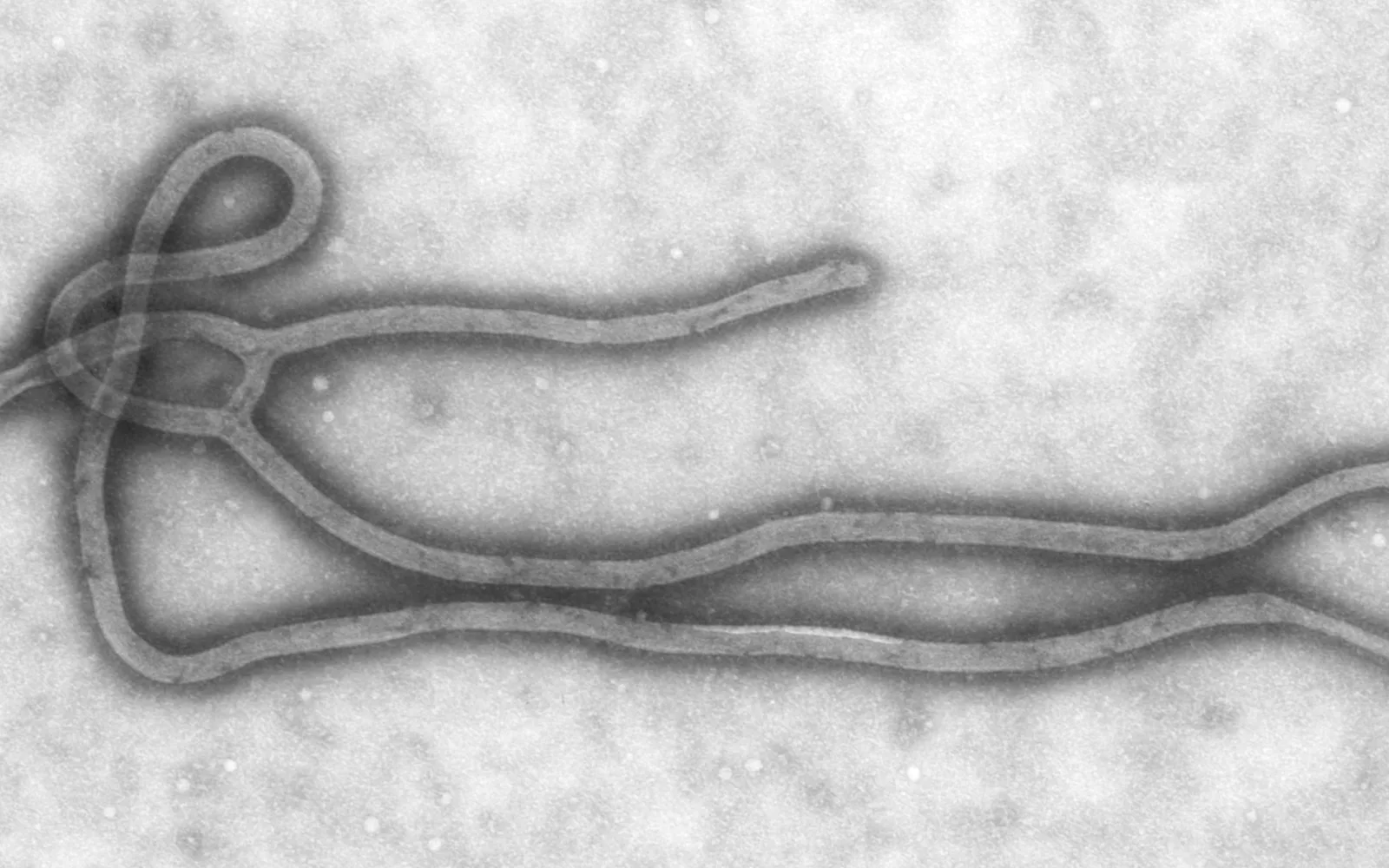
KINSHASA. The Ebola outbreak in the Democratic Republic of Congo has passed 11,000 cases and about 5,400 deaths six months after it was declared, still adding 400 to 500 new cases a week, according to the World Health Organization. It is already the second-largest Ebola outbreak on record. On Tuesday the WHO chief opened a third Emergency Committee meeting on an epidemic officials say remains out of control. Zark News reported the latest figures in Congo Ebola Outbreak Passes 11,000 Cases, Spreading at Record Pace as Children Bear the Heaviest Toll.
Why it matters
No Ebola outbreak has grown this fast. According to Reuters, infections and deaths in its first six months have risen at double the rate seen in the first six months of West Africa’s 2014-2016 epidemic, the largest on record, which infected more than 28,600 people and killed more than 11,000. It has already dwarfed Congo’s 2018-2020 outbreak, previously the country’s biggest, which ended with 3,481 cases and 2,299 deaths. At this pace it will challenge the West African epidemic in scale, in a region where conflict limits access to patients.
What we know
- Scale and spread: WHO Director-General Tedros Adhanom Ghebreyesus told the Emergency Committee on November 17 that cases had more than doubled in three months, across 67 health zones in eight provinces, according to U.N. News.
- The virus: The outbreak is caused by the Bundibugyo species of Ebola virus, one of the rarer species. Unlike the Zaire species behind most outbreaks, it has no licensed vaccine or treatment built for it.
- Children are hit hardest: Children account for more than a quarter of confirmed cases and a third of deaths, and seven in ten children under five with confirmed Ebola have died, according to the WHO.
- Cases are found too late: Two-thirds of confirmed deaths occur outside Ebola treatment centres, a sign infections are identified too late, according to the WHO. The head of the Africa CDC told Reuters most new cases turn up outside official contact lists.
- Conflict is blocking the response: U.N. officials say insecurity is a major obstacle, with health workers coming under attack, and Medecins Sans Frontieres says supplies are not reaching hot spots outside the original epicentre in Ituri.
What we still don’t know
- The exact toll: The WHO’s rounded figures differ from government data cited by Reuters (above 5,500 deaths) and from a WHO daily snapshot carried by the European Centre for Disease Prevention and Control (11,376 confirmed cases and 5,568 deaths as of November 15). The counts use different dates and are still being reconciled, so all are provisional.
- The committee’s decision: On November 18 the WHO said the outbreak remains a public health emergency of international concern, following the Emergency Committee’s advice. Its detailed updated recommendations had not yet been issued. Tedros said they would come in the coming days.
- Whether the new vaccines work: The Bundibugyo-specific candidates have not yet been shown to protect against this species in this outbreak. Trial results do not exist yet.
- How long containment will take: The head of the Africa CDC warned on November 15 that if the outbreak is not stopped now, it could become the worst Ebola outbreak on record. No official timeline has been given.
What’s next
The next steps are the committee’s detailed recommendations, expected in the coming days, the two candidate vaccines joining the trial, and the operational test: whether case-finding can reach patients in conflict areas early enough to cut transmission. Cross-border spread remains small: Kenya has reported nine linked cases, including two deaths, and Nigeria one imported case, according to U.N. News.
Timeline
- May 15, 2026: The outbreak is declared in eastern Congo, with its original epicentre in Ituri province.
- October 2026: Imported cases are reported outside Congo, nine in Kenya and one in Nigeria, according to U.N. News.
- November 15, 2026: A WHO daily update snapshot puts confirmed cases at 11,376 and deaths at 5,568, according to the European Centre for Disease Prevention and Control.
- November 16, 2026: A Reuters analysis reports the outbreak remains out of control, spreading and killing at double the rate of the West African epidemic’s first six months.
- November 17, 2026: The WHO Emergency Committee meets for a third time. Tedros says cases have more than doubled in three months and 400 to 500 new cases are still reported every week.
- November 18, 2026: The WHO says the outbreak remains a public health emergency of international concern, following the Emergency Committee’s advice.
