KIGALI — Confirmed Ebola cases in the Democratic Republic of Congo have passed 12,000 since the outbreak was declared in May, official data released on Thursday showed, as fighting and community resistance disrupt the response, according to Reuters and the Associated Press.
The cumulative caseload reached 12,021, including 5,904 related deaths, Congo’s Health Ministry said. The outbreak has spread from a single province in May to eight provinces: Haut-Uele, Ituri, North Kivu, South Kivu, Bas-Uele, Tshopo, South-Ubangi and North Ubangi, according to the ministry figures reported by the Philippine News Agency from the official release.
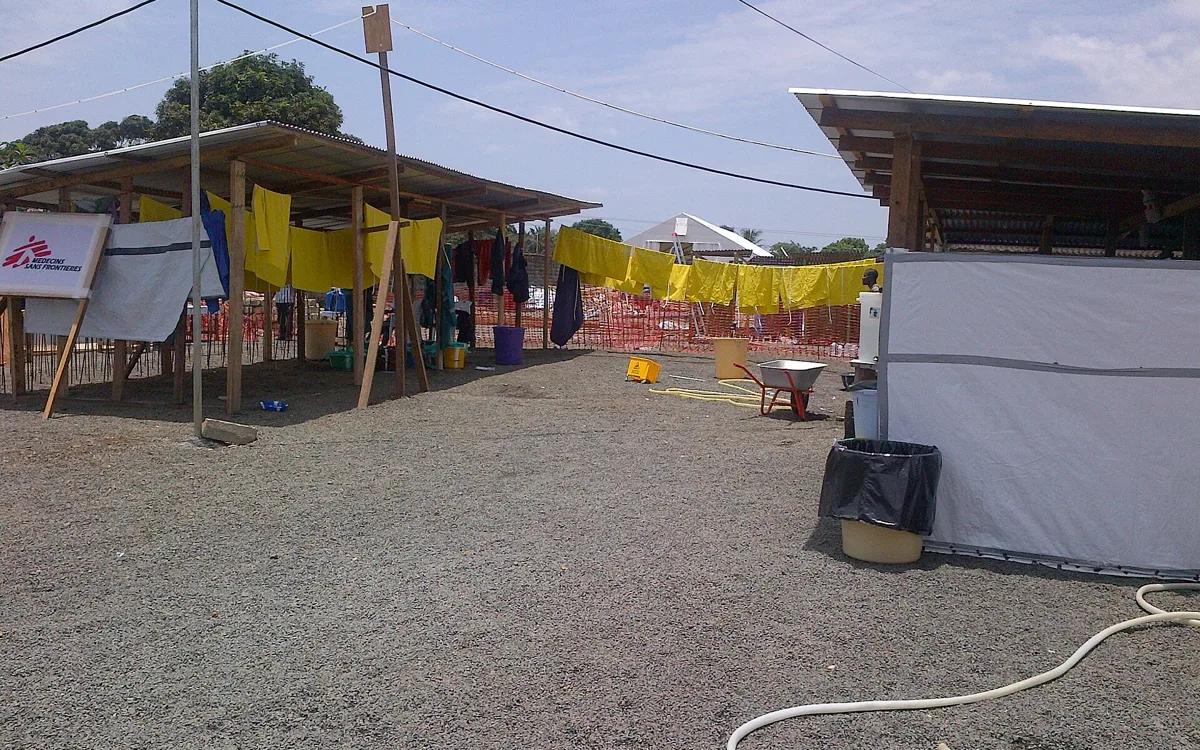
The outbreak is driven by the Bundibugyo strain of Ebola, for which there is no approved vaccine and no approved treatment, according to AP reporting. Containment therefore depends on finding the sick, isolating them, monitoring everyone they contacted, and burying the dead safely.
That work is being interrupted by violence. The World Health Organization said earlier this week that heavy fighting near a hospital in Ituri province had disrupted operations and forced its team to relocate temporarily from the Mongbwalu area. About a dozen people, including two WHO personnel and Congolese health officials, were evacuated to Bunia after being trapped for three days in a hospital in Akwe amid crossfire, according to WHO incident manager Dr. Catherine Smallwood, cited by AP.
Clashes between the Congolese army and fighters of the Convention for the Popular Revolution resumed on Thursday in Iga-Barriere, a mining town north of Bunia, the capital of Ituri, pushing more displaced people toward the city, according to the same reporting. Eastern Congo hosts more than 100 armed groups, and health officials say each displacement makes contact tracing harder.
The WHO and the Africa Centres for Disease Control and Prevention this week unveiled an updated continental preparedness and response plan for the Bundibugyo virus, covering November 2026 through May 2027. About 1.576 billion dollars is needed over the next six months to deliver the response, according to the WHO figures in that plan.
Ebola spreads through direct contact with the blood or other bodily fluids of sick or dead people. Health agencies say the low share of new cases that come from people already known as contacts is a warning sign, because it means many chains of transmission are being missed while responders cannot reach some communities.
What happens next will turn on access. If fighting keeps teams out of affected areas and treatment centers stay short of staff, officials expect the caseload to keep climbing. The outbreak is already described in official reporting as the largest in Congo’s history, and its death toll is approaching the scale of the West African epidemic of 2014 to 2016.
Sources: Reuters health summary via Devdiscourse and Philippine News Agency.