Bomb threats aimed at passenger planes forced diversions, fighter-jet escorts and airport searches across Europe on Thursday morning — the second such wave this week. Every flight ended safely, the searches completed found no explosives, and no one has claimed responsibility.
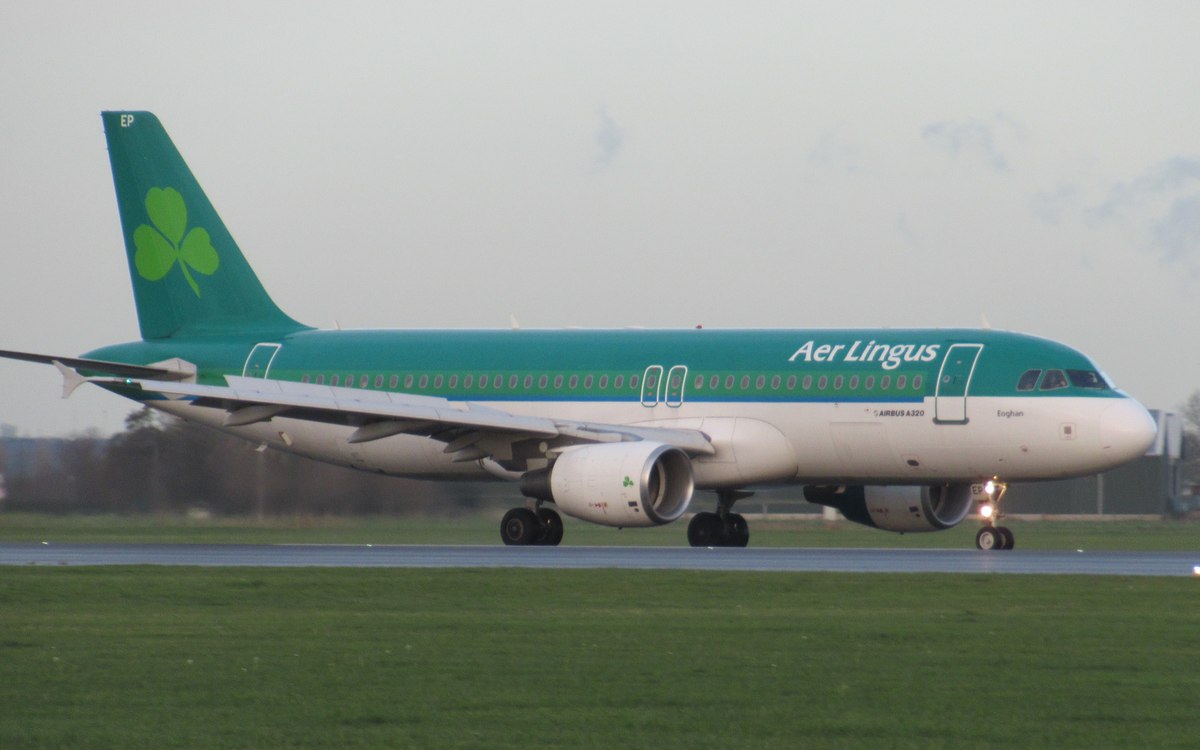
The most serious scare involved Aer Lingus flight EI402, an Airbus A320 flying from Dublin to Rome with 151 passengers and six crew. Over France, the jet turned off its route, circled west of Paris and landed at the Évreux-Fauville military air base, about 100 kilometres (62 miles) west of the capital. French media said a Rafale fighter jet escorted it in.
The office of Prime Minister Sébastien Lecornu said it was following the situation in real time. His office said the passengers and crew were brought to safety and military bomb-disposal teams were examining the plane.
“Flight EI402 from Dublin to Rome diverted to Normandy this morning as a security precaution,” Aer Lingus said in a statement. “The flight landed safely and Aer Lingus will work to reaccommodate customers to their final destination as soon as possible.”
In Bulgaria, three Ryanair planes made emergency landings after bomb threats, officials said. Flights from Copenhagen and Madrid landed in Sofia, the capital. A third plane, from London Stansted, was diverted to Plovdiv, Bulgaria’s second city.
Italian fighter jets escorted a Finnair plane from Helsinki to its planned landing in Rome, and Finnair said nothing unusual was found when the plane was searched there. A second Finnair flight from Helsinki landed as normal in Vienna after receiving a threat. A Wizz Air flight from Milan to Warsaw also landed in Vienna after a bomb threat, Italian media reported.
Poland’s LOT airline said its flight from Warsaw to Brussels landed safely after a security warning. The crew searched the cabin during the flight, officials inspected the plane after landing, and no suspicious items were found. Another LOT flight, bound for Paris, was stopped as it taxied toward take-off, and its passengers were moved to another plane. In the Czech Republic, police said four planes heading to Prague had received bomb threats. Police rated the threats as low in credibility but prepared security checks for the landings.
It was the second wave of threats in three days. On Tuesday, at least seven flights received bomb threats across Europe, and a cruise ship in Greece was also threatened; searches found no devices. On Monday, a Wizz Air flight from London Luton to Sofia was diverted to Budapest under escort by Hungarian fighter jets. Nothing was found on board.
Authorities have not said who sent the threats, and there have been no claims of responsibility. No country has blamed anyone for this week’s alerts. They come at a time when European officials accuse Russia and Iran of “hybrid” operations — sabotage and disruption meant to unsettle — which both countries deny. Experts say there is no evidence so far that the flight threats are part of any such campaign. Matthew Borie, of the aviation security firm Osprey Flight Solutions, told the Associated Press that the explanations could range from copycat hoaxes to one person or group behind many of the alerts.
Investigations are continuing in several countries, and aviation security firms have warned airlines to prepare for more disruption in the coming days.