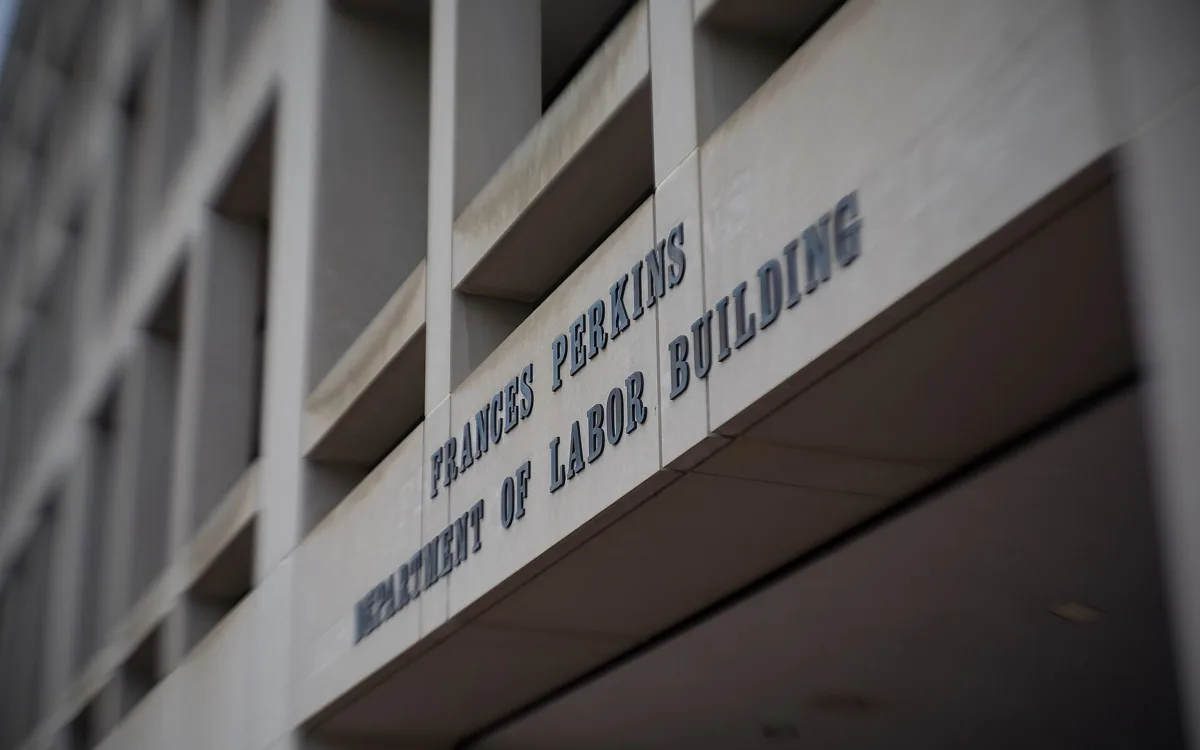
WASHINGTON — United States employers added 165,000 jobs in October, far more than economists expected, and the unemployment rate fell to 4.1 percent, the Labor Department said on Friday, in a report that pointed to a job market holding up better than forecasters believed.
Economists polled by Reuters had expected a gain of about 65,000 jobs, with estimates ranging from 35,000 to 125,000, so the result beat even the top of the range. The department also revised earlier months upward. September’s gain is now put at 60,000 jobs, up from 29,000 first reported, and August’s at 186,000, a combined upward revision of 84,000 jobs, according to the Bureau of Labor Statistics.
Hiring was led by services and health care. Professional and business services added 70,000 jobs, well above that sector’s average monthly gain of 15,000 over the past year. Health care added 42,000 positions, led by hospitals, while transportation and warehousing rose by 25,000 and manufacturing by 19,000. Average hourly earnings rose by 14 cents to 38.00 dollars, up 3.1 percent from a year earlier, and the share of adults in the labor force edged up to 61.9 percent.
The report was not strong in every corner. About 7.1 million people were out of work, and the number of long term unemployed, people without a job for 27 weeks or more, stood at about 2 million, up from roughly 1.1 million in 2023. The average spell without work rose to 27 weeks, the longest since late 2021, according to the department’s figures reported by the New York Post.
For the Federal Reserve, the strong hiring cuts both ways. A firm job market gives officials room to focus on inflation linked to the conflict in the Middle East, and traders raised their bets on an interest rate increase at the Fed’s December meeting after the data, with market pricing reported by Reuters putting the chance at about 78 percent, up from 70 percent.
Why it matters is direct. Jobs and pay decide whether families feel an economy is working for them, and the cost of living was the central issue of the midterm elections that just changed control of Congress. A report like this one gives the White House a bright spot to point to, and it gives the incoming Congress a stronger labor market than many expected when it writes its first budgets.
What happens next is the October inflation report on November 10, which Fed officials will read alongside these job figures before their final meeting of the year. The next employment report, covering November, is due on December 4.
Sources: U.S. Bureau of Labor Statistics, Employment Situation, with reporting by Reuters and USA Today.