WASHINGTON — Imagine walking into a federal courthouse knowing exactly where the security checkpoints are, where weapons are stored and which rooms judges use.
Those details are supposed to be protected. But federal investigators found building plans containing that information in a shared government file system, accessible to employees and contractors who had no reason to see them.
And it wasn’t the first warning.
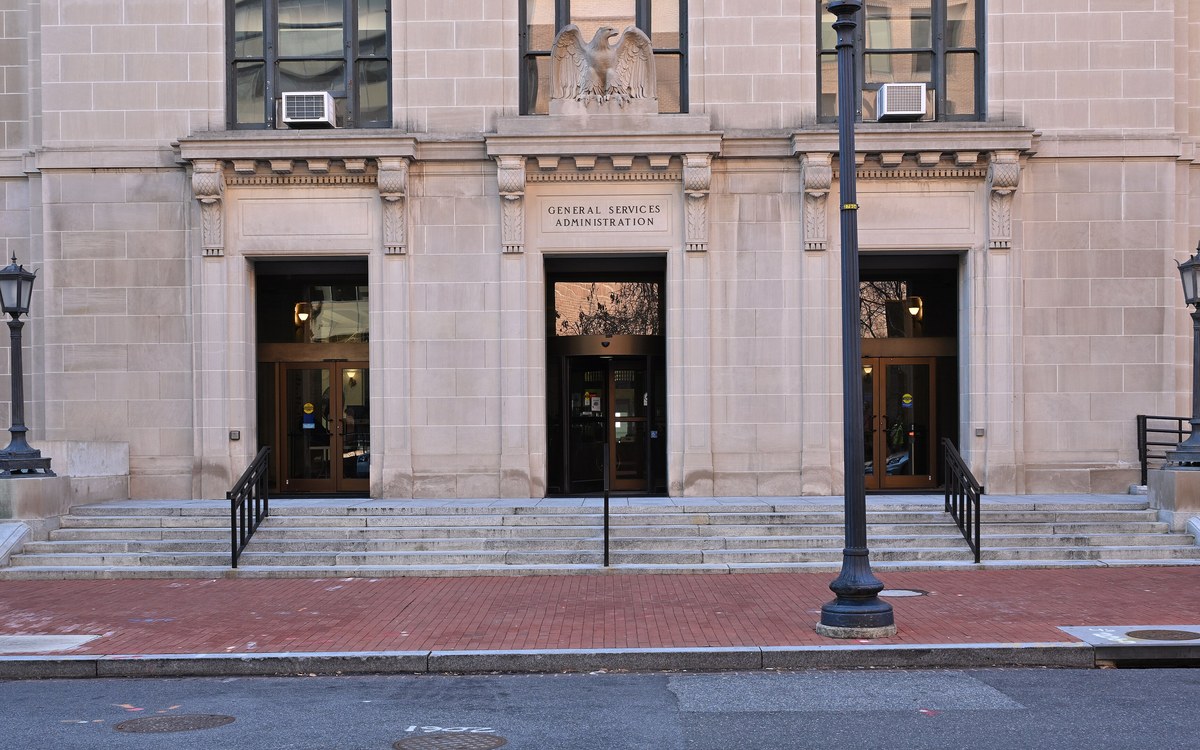
The General Services Administration (GSA), which manages federal buildings, had been warned about similar security problems since 2014. It also spent about $7.8 million on software designed to detect sensitive information.
Yet an October 27 watchdog report found 116 sensitive files accessible across the agency.
Among them were plans showing courthouse gun lockers, judges’ chambers, jury rooms, metal detectors and X-ray machines. Other documents described building entrances, visitor screening procedures and structural weaknesses.
The files were not publicly posted online. They were accessible through GSA’s internal Google Drive to employees and contractors, including those whose jobs did not require access.
The software missed what it was supposed to catch
Of the 116 exposed files, 40 went undetected by the agency’s security software.
Some were even marked “Controlled Unclassified Information” or “For Official Use Only.”
Investigators discovered that a feature designed to read scanned documents had never been switched on. The software also could not scan files larger than 15 megabytes, something GSA officials did not know.
Fourteen exposed files exceeded that size limit.
The upkeep behind the tool had also lapsed. Its search terms were supposed to be reviewed every year, but the reviews were never fully completed, records for 2015 through 2024 are incomplete or missing, and the staff who ran them no longer work at the agency.
The problem went beyond building security. Investigators also found 23 files containing confidential business information, including contract proposals and prices, and five containing personal details such as Social Security numbers and home addresses.
More than a decade of warnings
The agency’s inspector general first warned about improperly shared sensitive information in 2014.
Similar findings followed in subsequent years. In April 2025, investigators again discovered exposed building blueprints and a company’s bank account information.
The latest investigation raises a question: Why did the problem continue after repeated warnings?
GSA’s chief information officer, David Shive, accepted all seven recommendations from the watchdog. The agency says it has reviewed shared files, restricted access where appropriate, improved employee training and activated a previously unused software feature.
GSA also says its review found no evidence that the files were exposed outside the agency, and no indication of malicious intent.
But that does not answer whether employees without permission actually viewed the information.
What remains unanswered
The inspector general’s office told Zark News that its investigation established which files could be accessed. It did not determine whether someone had opened them.
The agency also has not confirmed that every one of the 116 files is now protected or that affected people and businesses have been notified.
As of October 29, all seven recommendations remained open, according to the watchdog.
Zark News sent GSA eight questions about the findings and corrective actions. The agency sent an automated acknowledgment but had not provided answers by the October 30 deadline.
The auditors found the 116 files through a limited search of roughly 2.5 million documents. They warned that more sensitive information could be accessible.
That leaves the most important question unresolved: How much sensitive government information remains available to people who should never have access to it?
Source: GSA Office of Inspector General, October 27, 2026, report A250043/I/T/F27002. Zark News correspondence with the inspector general’s office, October 29–30.