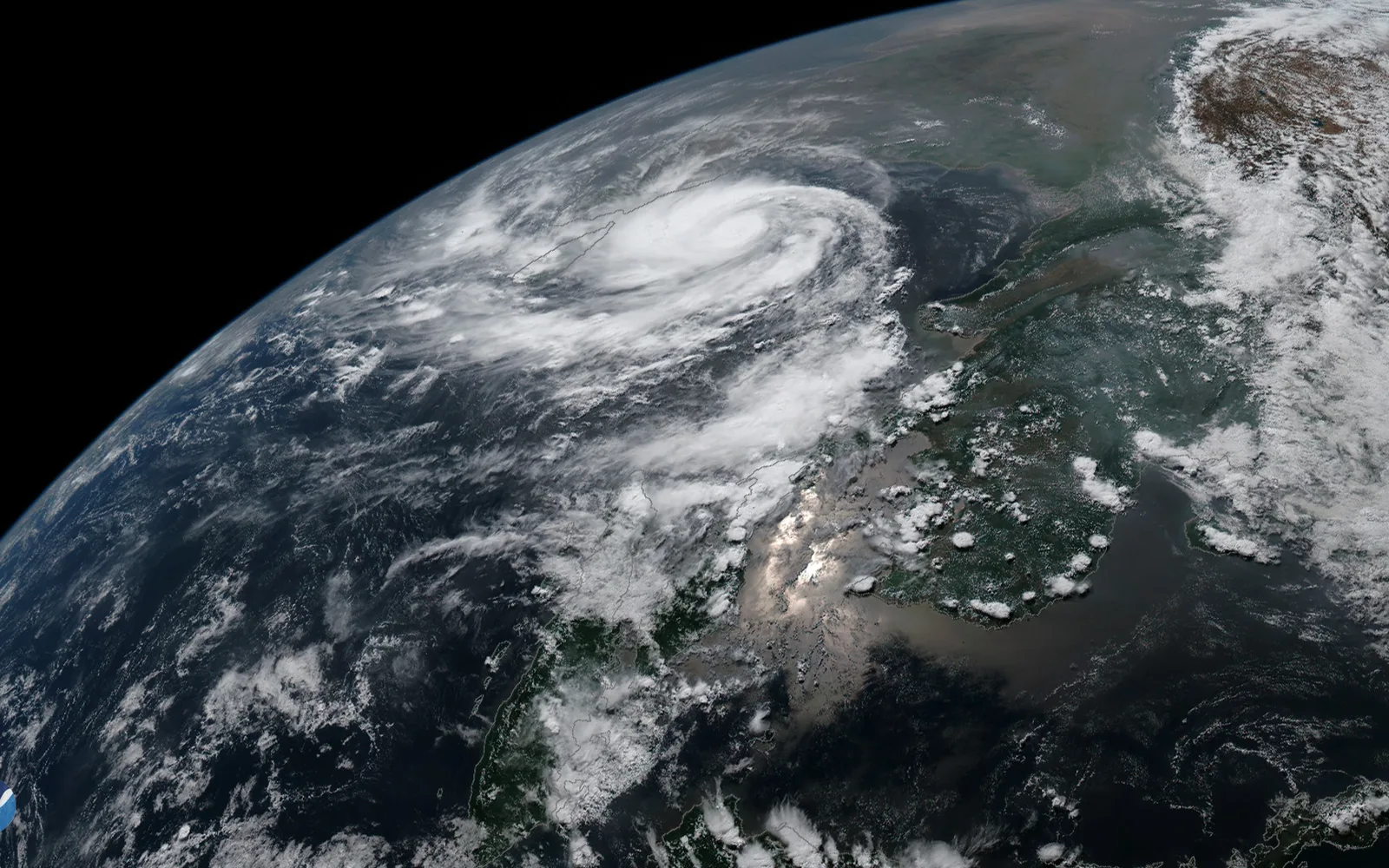
BHUBANESWAR — A severe cyclonic storm made landfall in the Indian state of Andhra Pradesh early on Wednesday, bringing high winds and heavy rain that uprooted trees and disrupted power, after more than 180,000 people were evacuated from its path, Reuters reported. No deaths had been reported at the time of writing.
India’s meteorological department classified Arnab as a very severe cyclonic storm, the third-highest category on its scale, which made landfall between about 2 a.m. and 8 a.m. local time on the Andhra Pradesh and Yanam coasts, with sustained winds of 125 to 135 kilometres per hour and gusts up to 150 kilometres per hour. The department warned that the storm surge could inundate low-lying areas by 1.5 to 2.5 metres above the astronomical tide in the hours after landfall.
Television footage showed trees down across highways and power poles snapped, while workers in rain gear cleared branches from roads. In Kakinada district, a resident identified only as Nagi told Reuters: "No one knew which house the water would enter next, or whose house would be flooded." He added: "Trees have fallen, houses are damaged, and all our belongings including books are destroyed." The Andhra Pradesh chief minister’s office said no deaths had been reported, although trees were uprooted and power was disrupted in several places.
By 8:30 a.m., Arnab had weakened to a severe cyclonic storm and was centred about 20 kilometres from Narsapur and 60 kilometres from Kakinada, over the coast, with winds of 110 to 120 kilometres per hour, the meteorological department said. The system was expected to weaken further as it moved north-northwest, although heavy rain was expected to continue across coastal districts.
The evacuation is the largest test yet of the early-warning and shelter system India has built along its east coast since the 1999 super cyclone that killed nearly 10,000 people in Odisha. Before Arnab’s arrival, more than 180,000 people were moved in Andhra Pradesh and Odisha, some schools were closed, some trains and flights were cancelled, and operations were suspended at three airports in Andhra Pradesh. Fishermen were advised not to venture into the sea, and the meteorological department warned of damage to crops, thatched houses and communication lines.
Zark News reported on Tuesday that about 50,000 people had been evacuated; Wednesday’s figure shows how much larger the operation became as the storm approached. What happens next depends on flooding. Officials say the storm’s remnants will bring heavy rain inland through Thursday, and a first full damage assessment will only be possible once waters recede and roads reopen. Read the Devdiscourse report at devdiscourse.com.