ISLAMABAD — Pakistan is heading into the winter with about 900 million cubic feet per day (mmcfd) of Qatari natural gas suspended, the country’s petroleum minister has told parliament, as QatarEnergy’s war-related force majeure keeps most term liquefied natural gas (LNG) cargoes from reaching Pakistan and pushes the government into the far more expensive spot market.
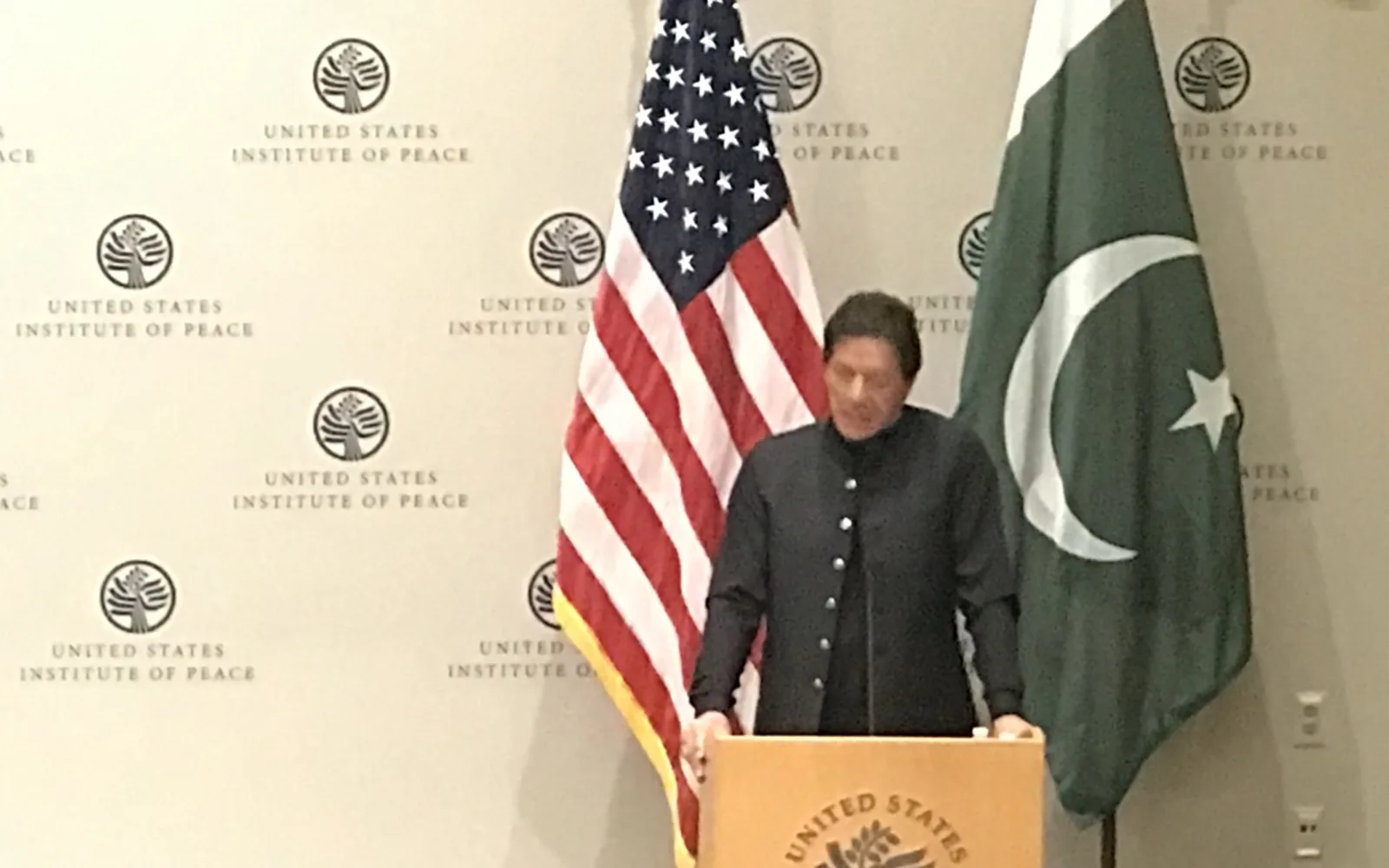
Petroleum Minister Ali Pervaiz Malik told the National Assembly on Monday that LNG supplies from Qatar totalling about 900 mmcfd had been suspended because of the war, forcing the government to ration the gas that remains. Domestic consumers on the piped network are receiving gas for about eight hours a day around meal times, he said.
QatarEnergy declared force majeure on its LNG exports after Iranian strikes damaged its Ras Laffan liquefaction complex in March, weeks after the U.S.-Israeli war on Iran began in late February. The suspension has been extended repeatedly since then. Pakistani officials said in early October that the force majeure affecting Pakistan’s cargoes had been extended through November 4, and no notice lifting it has been made public.
On Tuesday, Reuters reported that QatarEnergy had prolonged the force majeure for Italy’s Edison, one of its biggest European customers, until the end of December, from an early-December deadline, with a further three cargoes affected — the latest indication that the suspension regime will run at least to the end of the year for QatarEnergy’s major buyers. QatarEnergy has not publicly confirmed a December extension for Pakistani buyers, and Pakistan LNG Limited and Pakistan State Oil have not announced one.
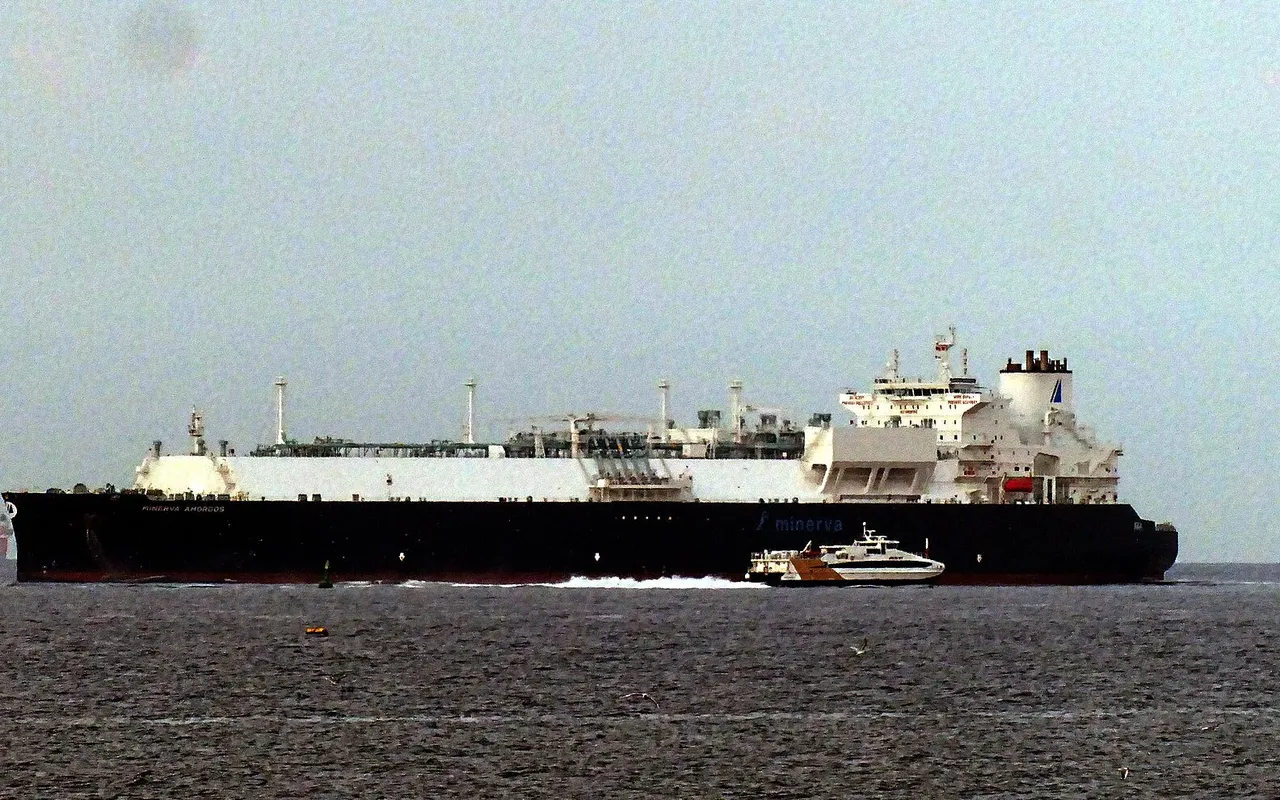
The force majeure has not stopped Qatari cargoes altogether. Pakistan received two cargoes in September and two more in October, arranged with the help of Iranian and U.S. officials who assured safe passage through the Strait of Hormuz, according to a senior Petroleum Division official cited by The News. The first October cargo, aboard the vessel Al-Areesh, berthed at Engro’s LNG terminal in mid-October and resumed regasification at about 150 mmcfd after the terminal had sat idle since September 26. A second cargo later restarted the Pakistan GasPort terminal, which had been out of operation since October 9 for lack of inventory.
Those arrivals cover only a fraction of winter needs. Officials plan to arrange about 22 cargoes between November and February, roughly 10 of them on the spot market, where Asian prices are running at about double Pakistan’s long-term contract rates. The Express Tribune has estimated the 10 spot cargoes alone at about $863 million, taking Pakistan’s winter LNG import bill to roughly $1.29 billion. The energy consultancy Wood Mackenzie has described Pakistan as the South Asian market hit hardest by the loss of Qatari supply, estimating that the Hormuz disruption cut Pakistan-bound LNG volumes by as much as 0.4 million tonnes a month between March and November.
QatarEnergy, for its part, has been buying U.S. LNG to supply some of its customers while its own exports remain constrained. Reuters reported last week that Cheniere Energy will supply QatarEnergy with 4 million tonnes per year from 2031 to 2054, and that the Qatari company is in talks with Venture Global and Woodside Energy for further long-term U.S. supply.
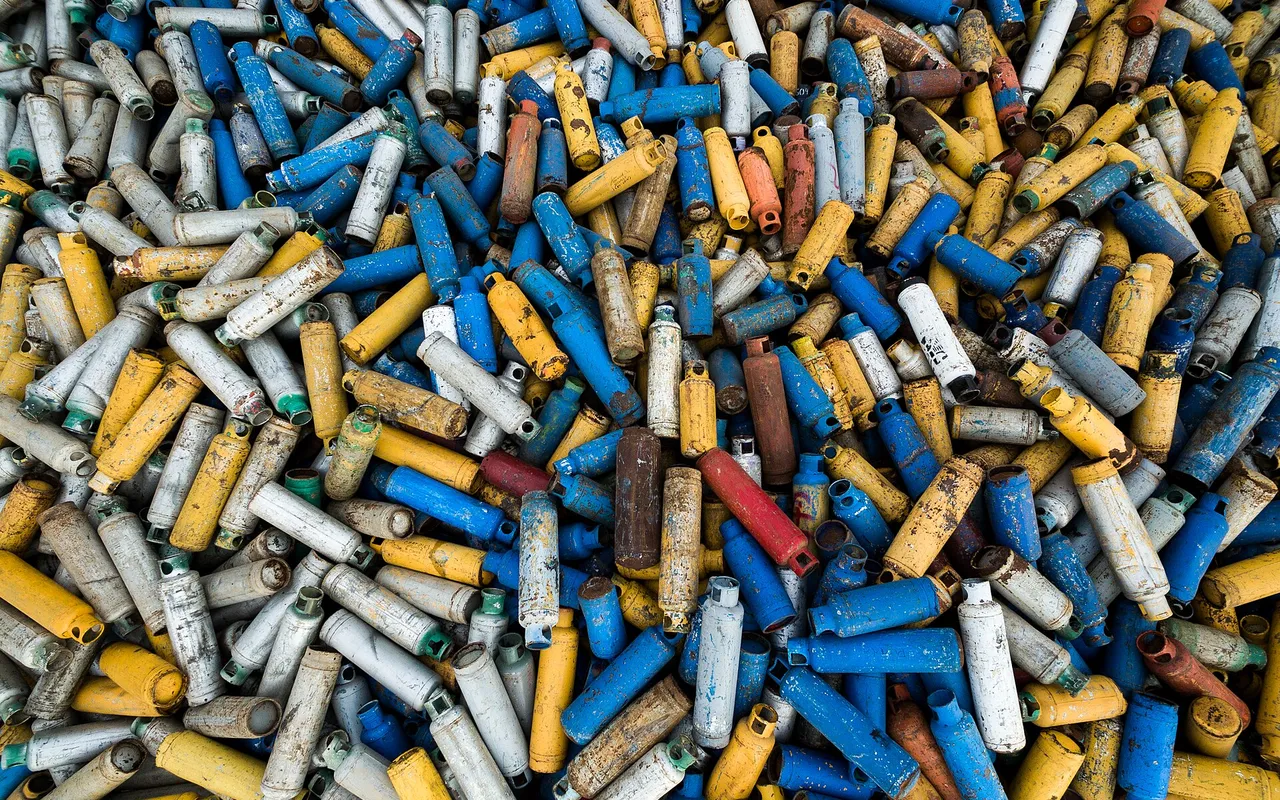
For Pakistan, the immediate consequences are already visible: gas rationing for households, fuel switching and curtailed output in power generation, and pressure on industry. Officials have also warned that the gas shortage will push more households toward liquefied petroleum gas (LPG) — the cylinder fuel used for cooking where piped gas does not reach — just as an Iran border closure has cut LPG supplies and sent its prices sharply higher. Read Zark News’ companion report: Pakistan’s Cooking-Gas Prices Soar After Iran Border Closure.
LNG and LPG are different fuels: LNG is natural gas chilled to a liquid and shipped by tanker for the piped network and power plants, while LPG is propane and butane sold in cylinders. Pakistan’s winter energy squeeze is now hitting both at once, and the government has given no timeline for when Qatari supplies might resume.