NAIROBI — Kenya has released the first 20 contacts of its imported Ebola case after they completed the mandatory 21-day monitoring period in good health, health officials said on Monday, in the clearest sign yet that the country’s Bundibugyo virus cluster has been contained to a single connected group.
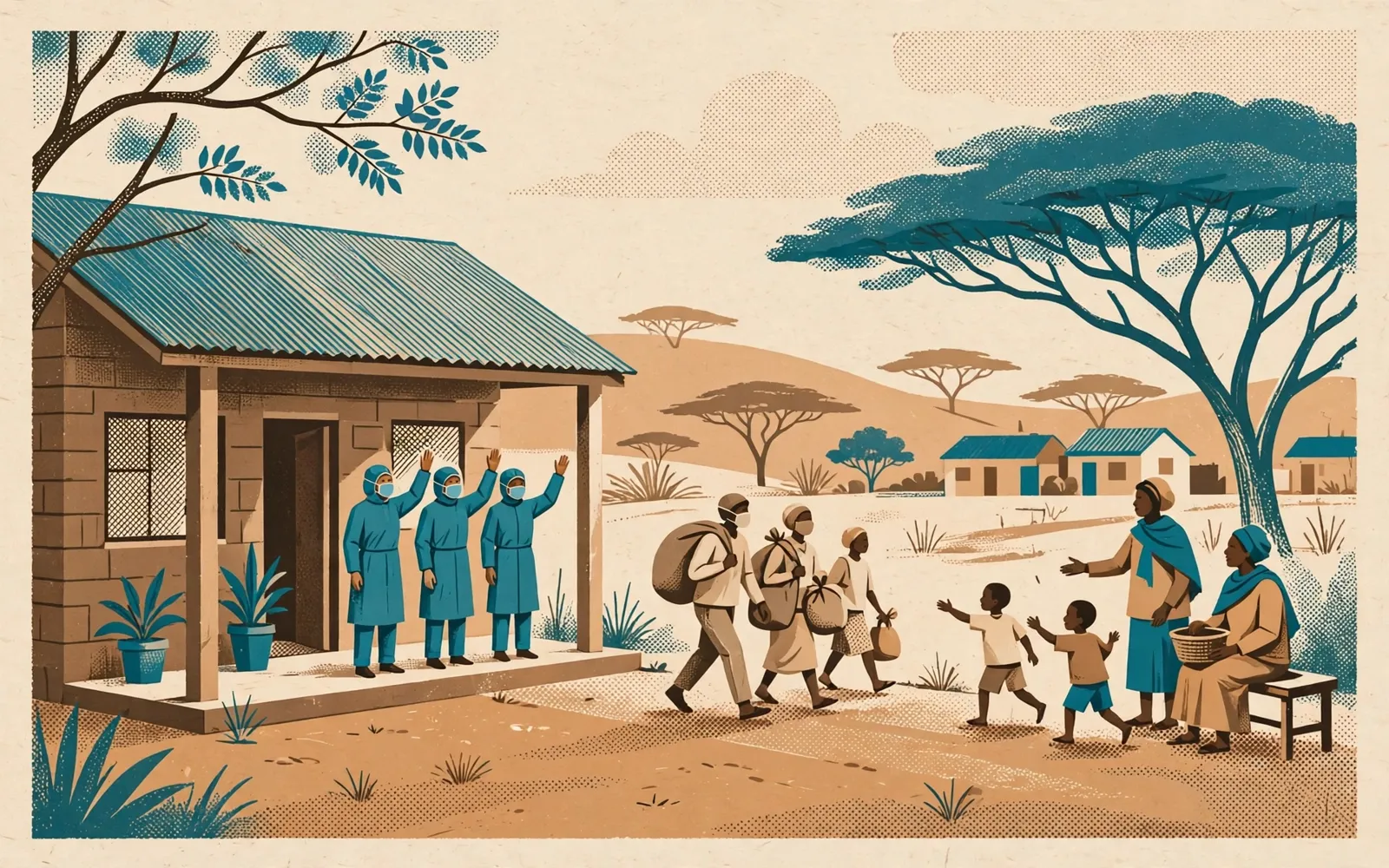
Director-General for Health Dr Patrick Amoth said the 20 contacts had completed monitoring without developing symptoms, had passed a final health assessment and counselling on post-discharge precautions, and were returning to their families, according to Capital FM. "This is a milestone worth celebrating, and a clear sign that early identification, quarantine and close monitoring are working," Amoth said, while cautioning that the response was not yet complete. "We ask communities to welcome them home warmly. Having completed 21 days without symptoms, they pose no risk of infection to anyone."
The Ministry of Health said the remaining 98 contacts would be released in four waves beginning November 3, depending on individual health assessments. The total number of confirmed cases remained at nine, including two deaths — a case fatality rate of 22.2 percent — and the seven surviving patients remained stable in treatment units under a multidisciplinary team. The World Health Organization’s Africa office said all nine cases are part of one connected group and there is no evidence the virus has spread into the community.
Kenya confirmed its first imported case of Ebola (Bundibugyo virus disease) on October 6. The index patient had travelled from the Democratic Republic of the Congo through Uganda and arrived in Nairobi on October 3, and died on October 5, according to the University of Minnesota’s CIDRAP. By October 22, health authorities had traced all 135 contacts, in Kenya and internationally, and placed them in quarantine. Eight of those contacts later developed symptoms and tested positive; crucially, all eight were already in quarantine when they fell ill and were immediately transferred to the Ebola treatment centre in Nairobi — the sequence officials credit with preventing wider transmission.
Genomic sequencing of three of the nine case samples has shown a genetic link to the first case and to the Bundibugyo lineage in Congo, the ministry said, with sequencing of the remaining six samples ongoing. Bundibugyo is one of the Ebola virus species for which there is no licensed vaccine, which makes contact tracing and quarantine the core tools of the response. The ministry said it is also providing mental health and psychosocial support to people in quarantine, those returning home, patients, families and frontline health workers, and that screening at points of entry remains in place.
The releases come as Ebola responders elsewhere in the region face a harder fight: Zark News reported on October 26 that a nurse was killed in an attack on responders in eastern Congo, where the wider outbreak continues. In Kenya, by contrast, the next milestone is administrative — the phased discharge of the remaining 98 contacts from November 3, and continued monitoring until officials can declare the cluster over. Read the WHO Africa statement carried by African Newspage at africannewspage.net.