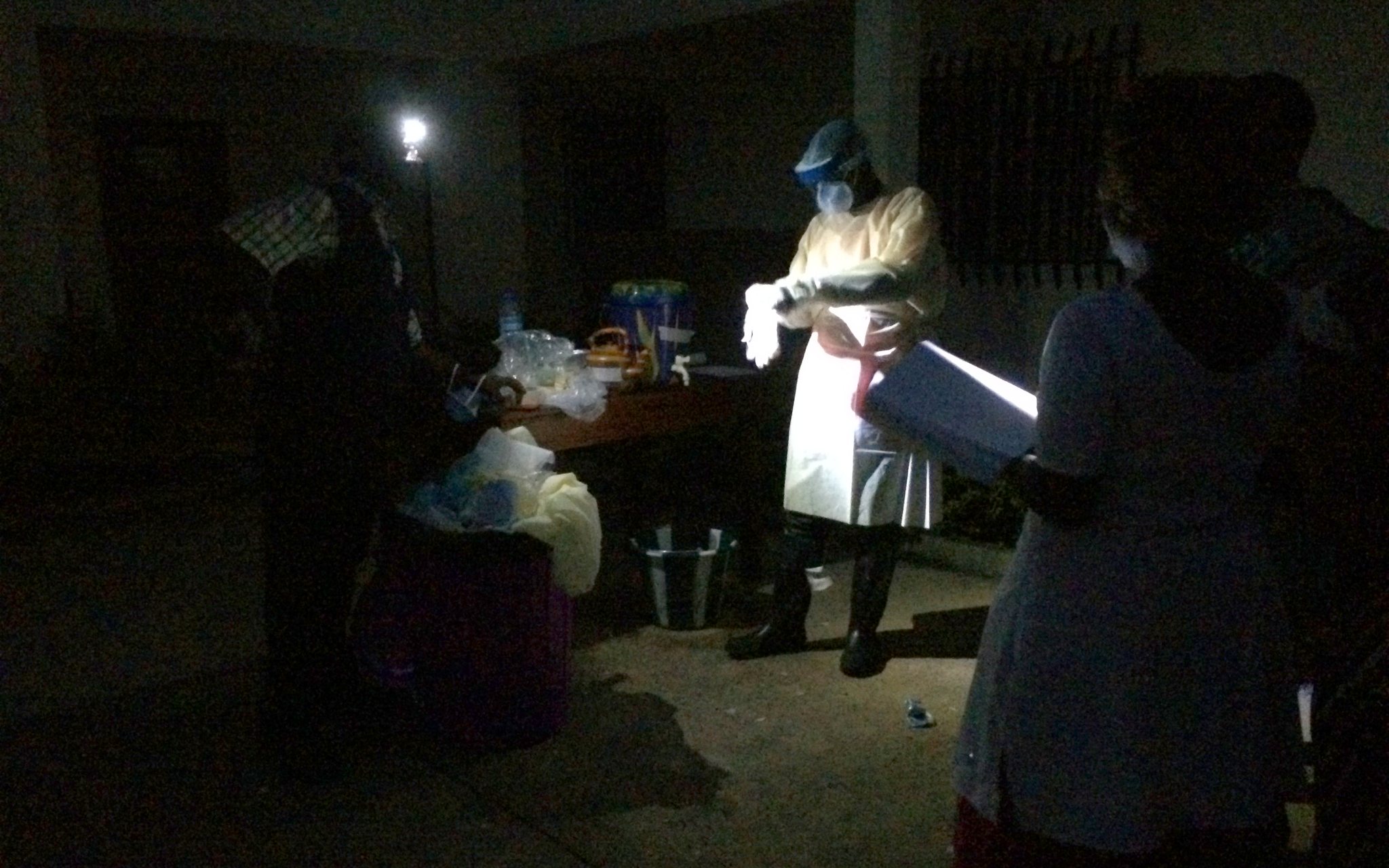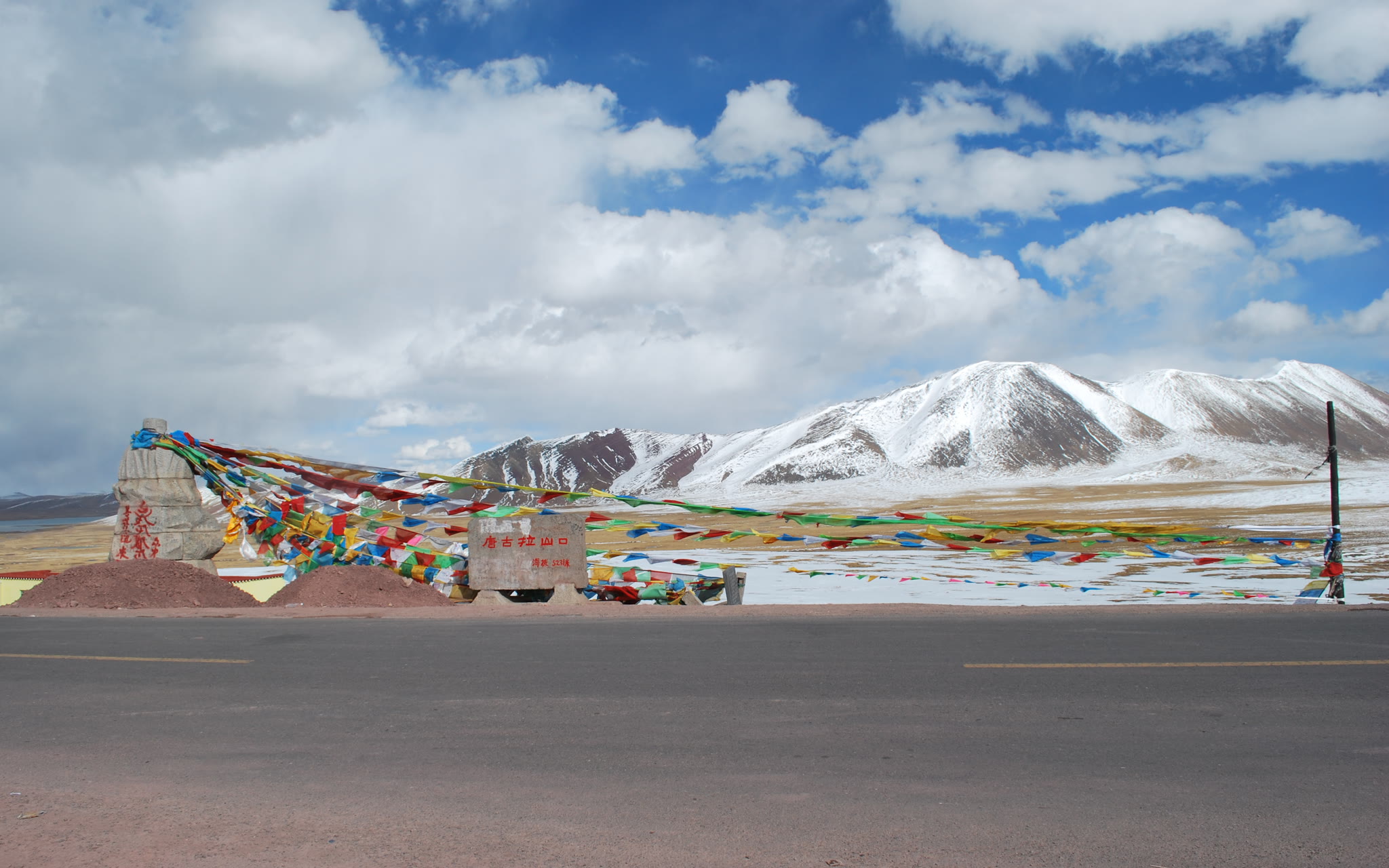
BEIJING — A magnitude 7.0 earthquake struck a remote, high-altitude corner of Tibet late Wednesday, killing at least 16 people, injuring dozens and collapsing hundreds of homes, Chinese officials said, as rescue teams raced through the night to reach scattered villages near the epicenter.
The quake hit Baqen County in the Nagqu region of northern Tibet at 10:33 p.m. local time (10:33 a.m. EDT), according to the China Earthquake Networks Center and the U.S. Geological Survey. Both agencies measured the magnitude at 7.0. The USGS placed the epicenter about 190 kilometres (118 miles) east-northeast of Nagqu city, in a sparsely populated pastoral area where the average elevation is close to 4,900 metres (16,000 feet).
Nagqu’s emergency management bureau said at least 16 people were killed and 32 injured — 11 of them seriously — according to China’s Xinhua news agency, in figures also carried by The Associated Press. At least 339 homes collapsed. Later Chinese state-media reports suggested the injury toll was still rising, with China News Service putting the injured at 46; officials had not issued a consolidated update, and the toll is expected to change as assessments reach more villages.
Damage concentrated near the epicenter
The epicenter was in Maru Township, about 70 kilometres from the Baqen county seat. The township’s deputy head, Lhawang Dagpo, told Xinhua the quake was clearly felt at the township office, whose walls cracked, and that houses in the area had collapsed. Power and telecommunications were disrupted in the county seat, officials said, and teams were checking nearby villages for casualties and damage.
Chinese media also reported ground cracks and cracked roof beams in Maru Township and rockfalls that damaged a car and guardrails and blocked a section of National Highway G317, a key road across northern Tibet.
Seismic agencies differed on the quake’s depth — the USGS put it at 18 kilometres, the China Earthquake Networks Center at 10 kilometres — a common discrepancy in the first hours after a major event. The USGS recorded aftershocks of magnitude 5.2 and 5.0 near the epicenter, and Chinese seismologists reported a string of smaller tremors. The USGS rated its automated impact alert “orange,” indicating significant casualties and damage were likely based on the shaking and the population exposed. Its exposure model estimated that roughly 2,700 people experienced very strong shaking and a further 3,700 strong shaking, while Nagqu city itself — the region’s largest settlement — felt only light shaking.
A Level-II emergency response
China’s earthquake administration activated a Level-II emergency response — the second-highest tier — and the Ministry of Emergency Management dispatched a work team to guide relief work, according to Chinese state media. Police and fire rescue teams were building tents for displaced residents, the AP reported, and CCTV said railway authorities had suspended train services through the affected area. The broadcaster CCTV described it as the biggest earthquake in the region in five years; Reuters noted it was the strongest to hit China since January 2024.
How many people have been displaced was not yet known, and officials had released no count of missing persons. The rescue effort faces formidable conditions: Baqen County is home to about 48,000 people, most of them Tibetan pastoralists spread across more than 10,000 square kilometres of plateau, and late-October nights at that altitude are bitterly cold.
No impact reported beyond China’s borders
No felt shaking, damage or casualties were reported in Nepal, India or Bhutan. The epicenter lies deep inside northern Tibet, roughly 400 kilometres northeast of Lhasa, and the USGS’s exposure model showed the affected population was entirely within China. The border with India is more than 400 kilometres away.
The quake came from the slow collision of the Indian and Eurasian tectonic plates, which built the Himalayas and keeps the Tibetan Plateau under constant strain; the USGS said the rupture involved normal faulting from the east-west stretching of the plateau. The region’s most devastating modern earthquake, the 2010 Yushu disaster in neighbouring Qinghai province, killed nearly 2,700 people about 280 kilometres away.
Officials said search and rescue work would continue overnight and that damage assessments were still under way in outlying villages, some of which could not yet be reached by phone.
Sources: U.S. Geological Survey event page; Associated Press; Reuters; Xinhua via Al Jazeera.